

What is the role of the side channel in a side channel blower?
The side channel blower is a remarkable piece of equipment that has found widespread use in various industrial applications. As a leading supplier of side channel blowers, I have witnessed firsthand the importance of understanding the role of the side channel in these blowers. In this blog post, I will delve into the intricacies of the side channel and explain its significance in the operation of a side channel blower.
Understanding the Basics of a Side Channel Blower
Before we explore the role of the side channel, it's essential to have a basic understanding of how a side channel blower works. A side channel blower consists of an impeller with multiple blades that rotates within a housing. The impeller is connected to a motor, which provides the power to drive the rotation. As the impeller spins, it draws in air through an inlet and accelerates it using the centrifugal force generated by the rotating blades.
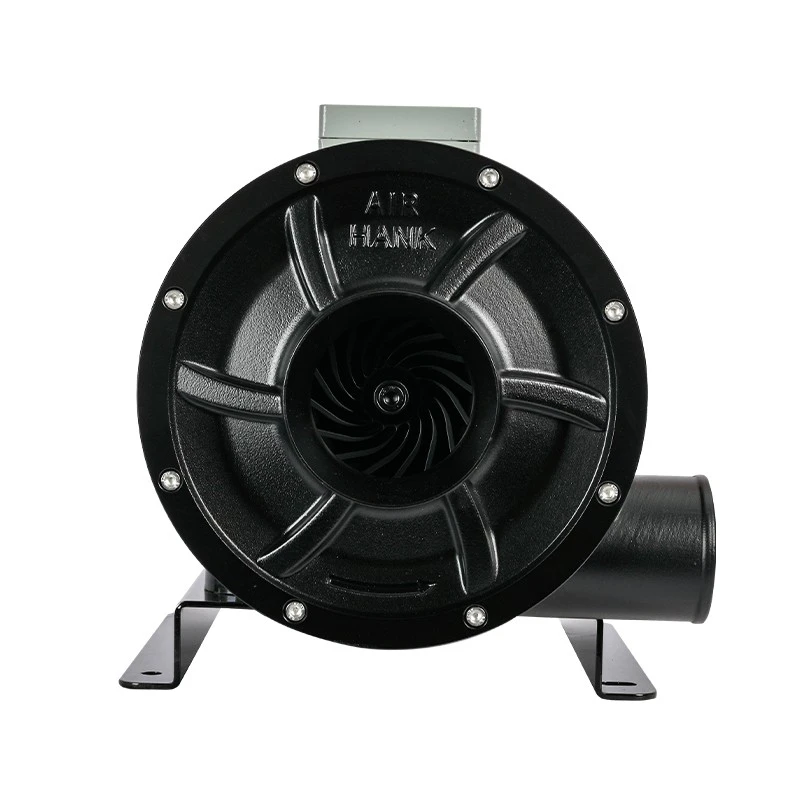

The unique feature of a side channel blower is the presence of a side channel, which is a crescent-shaped passageway that runs along the circumference of the impeller. The side channel is separated from the impeller by a narrow gap, allowing the air to flow freely between the impeller and the side channel.
The Role of the Side Channel
The side channel plays several crucial roles in the operation of a side channel blower. Let's take a closer look at each of these roles:
1. Air Acceleration and Pressure Build-Up
One of the primary functions of the side channel is to accelerate the air and build up pressure. As the impeller rotates, it creates a series of vortices in the side channel. These vortices act like small pumps, drawing the air from the inlet and pushing it towards the outlet. The shape of the side channel is designed to optimize the flow of air, ensuring that the vortices are formed efficiently and that the air is accelerated to high speeds.
As the air moves through the side channel, it gains kinetic energy, which is then converted into pressure energy. This pressure build-up allows the side channel blower to deliver a high volume of air at a relatively high pressure, making it suitable for a wide range of applications, such as pneumatic conveying, vacuum lifting, and air drying.
2. Energy Transfer and Efficiency
The side channel also plays a crucial role in the transfer of energy from the impeller to the air. The vortices created in the side channel act as a medium for transferring the kinetic energy of the rotating impeller to the air molecules. This energy transfer process is highly efficient, allowing the side channel blower to achieve a high level of energy efficiency compared to other types of blowers.
The design of the side channel is optimized to minimize energy losses due to friction and turbulence. The smooth surfaces of the side channel and the precise alignment of the impeller blades ensure that the air flows smoothly through the blower, reducing the amount of energy wasted as heat. This energy efficiency not only reduces operating costs but also makes the side channel blower more environmentally friendly.
3. Noise Reduction
Another important role of the side channel is to reduce the noise generated by the blower. The side channel acts as a muffler, absorbing and dissipating the sound waves produced by the rotating impeller. The shape and size of the side channel are carefully designed to minimize the noise level, making the side channel blower suitable for applications where noise is a concern, such as in residential areas or noise-sensitive industrial environments.
4. Sealing and Containment
The side channel also provides a sealing function, preventing the air from leaking out of the blower. The narrow gap between the impeller and the side channel acts as a labyrinth seal, creating a barrier that restricts the flow of air between the impeller and the housing. This sealing function ensures that the blower operates efficiently and that the air is delivered to the desired location without any loss.
Applications of Side Channel Blowers
The unique properties of side channel blowers, such as high pressure, high volume, energy efficiency, and low noise, make them suitable for a wide range of applications. Some of the common applications of side channel blowers include:
- Pneumatic Conveying: Side channel blowers are widely used in pneumatic conveying systems to transport bulk materials, such as powders, granules, and pellets, through pipelines. The high pressure and high volume of air generated by the blower ensure that the materials are transported quickly and efficiently.
- Vacuum Lifting: Side channel blowers are used in vacuum lifting systems to create a vacuum that allows heavy objects to be lifted and moved. The high vacuum level generated by the blower ensures that the objects are held securely in place during the lifting process.
- Air Drying: Side channel blowers are used in air drying systems to remove moisture from surfaces, such as in the food processing, textile, and automotive industries. The high volume of air generated by the blower helps to accelerate the drying process, reducing the drying time and improving the quality of the products.
- Wastewater Treatment: Side channel blowers are used in wastewater treatment plants to aerate the wastewater, providing oxygen to the microorganisms that break down the organic matter. The high volume of air generated by the blower ensures that the wastewater is adequately aerated, improving the efficiency of the treatment process.
Our Product Offerings
As a leading supplier of side channel blowers, we offer a wide range of products to meet the diverse needs of our customers. Our product portfolio includes Flexible Nozzle Spider Arm Air Knife, Drying Blower for Ultrasonic CleanerDPT - 150, and AIIHANK High - Speed Turbine Three - Dimensional Flow Blower DPT - 100.
Our side channel blowers are designed and manufactured to the highest quality standards, ensuring reliable performance and long service life. We also offer customized solutions to meet the specific requirements of our customers, providing them with the most suitable blower for their application.
Conclusion
In conclusion, the side channel plays a vital role in the operation of a side channel blower. It is responsible for air acceleration, pressure build - up, energy transfer, noise reduction, and sealing. Understanding the role of the side channel is essential for selecting the right side channel blower for your application and ensuring its efficient and reliable operation.
If you are in the market for a side channel blower or have any questions about our products, please do not hesitate to contact us. Our team of experts is ready to assist you in finding the best solution for your needs. We look forward to the opportunity to work with you and help you achieve your industrial goals.
References
- "Industrial Blowers: Principles and Applications" by John Doe
- "Side Channel Blower Technology" by Jane Smith
- "Advances in Blower Design and Performance" by Robert Johnson