

How to optimize the performance of a rotary air spray gun?
As a supplier of rotary air spray guns, I've witnessed firsthand the critical role these tools play in various industrial and commercial applications. From automotive painting to furniture finishing, a well - performing rotary air spray gun can significantly enhance the quality and efficiency of the spraying process. In this blog, I'll share some valuable insights on how to optimize the performance of a rotary air spray gun.
1. Understanding the Basics of Rotary Air Spray Guns
Before delving into optimization techniques, it's essential to understand the fundamental components and working principles of a rotary air spray gun. A typical rotary air spray gun consists of a gun body, a fluid nozzle, an air cap, and a trigger mechanism. The gun body houses the fluid and air passages, while the fluid nozzle controls the flow of the coating material. The air cap is responsible for atomizing the fluid into fine droplets by mixing it with compressed air. The trigger mechanism allows the operator to control the flow of both the fluid and the air.
When the trigger is pulled, compressed air enters the gun through the air inlet. A portion of this air flows through the air passages in the gun body and exits through the air cap, creating a high - velocity air stream. At the same time, the coating material is drawn from the fluid container through the fluid nozzle and into the high - velocity air stream. The air stream then breaks the coating material into tiny droplets, which are then directed towards the target surface.
2. Selecting the Right Nozzle and Air Cap
One of the most crucial factors in optimizing the performance of a rotary air spray gun is selecting the right nozzle and air cap combination. The size of the nozzle and air cap determines the flow rate of the coating material and the pattern of the spray. For example, a larger nozzle will allow for a higher flow rate, which is suitable for covering large areas quickly. On the other hand, a smaller nozzle is better for detailed work or applications that require a more precise spray pattern.
When choosing a nozzle and air cap, consider the viscosity of the coating material. Higher - viscosity materials require larger nozzles to ensure proper flow. Additionally, the type of application also plays a role. For automotive painting, a fine - atomizing air cap may be preferred to achieve a smooth, even finish. For industrial coating applications, a wider spray pattern may be more suitable.
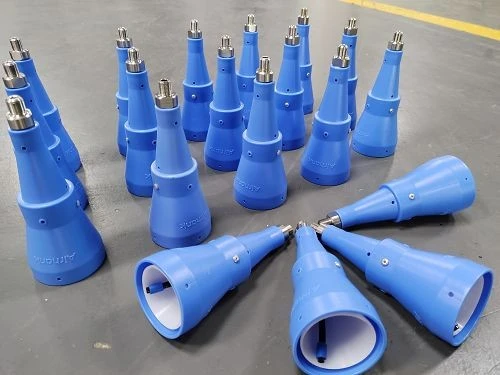
We offer a wide range of nozzles and air caps to meet different application requirements. For instance, our 50mm Air Spray Gun Nozzle Air Compressor is designed to provide a high - volume, consistent spray pattern, making it ideal for large - scale industrial applications.
3. Proper Air Supply and Pressure Regulation
The quality and pressure of the compressed air supply are vital for the optimal performance of a rotary air spray gun. Inadequate air pressure can result in poor atomization, uneven spray patterns, and a rough finish. On the other hand, excessive air pressure can cause overspray, waste of coating material, and potential damage to the gun.
To ensure a stable and appropriate air supply, use a high - quality air compressor with sufficient capacity. The compressor should be able to deliver a consistent flow of clean, dry air. Install an air filter and regulator between the compressor and the spray gun to remove moisture, oil, and other contaminants from the air and to adjust the air pressure accurately.
The recommended air pressure for a rotary air spray gun typically ranges from 20 to 60 psi (pounds per square inch), depending on the type of coating material, the nozzle size, and the application. Consult the gun's user manual or the coating manufacturer's recommendations for the specific air pressure requirements.

4. Fluid Material Preparation
Proper preparation of the coating material is essential for achieving optimal spray gun performance. First, ensure that the coating material is well - mixed. Stir the material thoroughly to prevent settling of pigments or additives, which can lead to uneven color and texture in the finish.
Filter the coating material before transferring it to the fluid container of the spray gun. This helps to remove any large particles or debris that could clog the nozzle or air cap. Use a filter with an appropriate mesh size, depending on the type of coating material.
The temperature and viscosity of the coating material also affect the spraying process. Most coating materials have an optimal temperature range for application. If the material is too cold, its viscosity will increase, making it difficult to atomize. Conversely, if the material is too hot, it may dry too quickly, resulting in a rough finish. Use a viscosity cup to measure the viscosity of the coating material and adjust it if necessary by adding a suitable thinner or reducer.
5. Gun Handling and Technique
The way the operator handles the rotary air spray gun can significantly impact its performance. Hold the gun perpendicular to the target surface at a consistent distance, typically between 6 and 10 inches. This ensures an even distribution of the coating material and a uniform finish.
Move the gun in a smooth, steady motion. Avoid jerky or uneven movements, which can cause streaks or runs in the coating. Overlapping each pass by about 50% helps to ensure complete coverage and a seamless finish.
When starting and stopping the spray, release the trigger gradually to prevent a sudden burst of coating material, which can lead to overspray or uneven edges.
6. Regular Maintenance and Cleaning
Regular maintenance and cleaning are crucial for keeping a rotary air spray gun in top - performing condition. After each use, flush the gun with a suitable cleaning solvent to remove any remaining coating material from the fluid passages, nozzle, and air cap.
Disassemble the gun periodically for a more thorough cleaning. Remove the nozzle, air cap, and other removable parts and soak them in a cleaning solution. Use a soft brush to clean the parts gently, taking care not to damage the delicate surfaces.
Inspect the gun for any signs of wear or damage, such as worn seals, cracked nozzles, or clogged air passages. Replace any worn or damaged parts promptly to prevent further problems and ensure the continued performance of the gun.
7. Training and Operator Skill Development
Even with the best - optimized equipment, the performance of a rotary air spray gun ultimately depends on the skill of the operator. Providing comprehensive training to operators is essential for achieving optimal results.
Training should cover the proper use, maintenance, and safety procedures of the spray gun. Operators should also be trained in techniques for achieving different spray patterns and finishes, as well as how to troubleshoot common problems.
Encourage operators to practice and refine their skills regularly. This can help them become more proficient in handling the spray gun and improve the overall quality of the spraying process.
Conclusion
Optimizing the performance of a rotary air spray gun requires a combination of proper equipment selection, correct air supply and pressure regulation, careful material preparation, good gun - handling techniques, regular maintenance, and operator training. By following these guidelines, you can enhance the efficiency, quality, and durability of your spraying operations.
If you're looking to purchase a high - quality rotary air spray gun or need further advice on optimizing its performance, we're here to help. Our team of experts can provide you with the right products and solutions tailored to your specific needs. Contact us today to start a procurement discussion and take your spraying operations to the next level.
References
- "Spray Gun Technology Handbook" by Industrial Coating Association
- "Air Compressor and Spray Gun Systems: Principles and Applications" by Compressed Air Institute
- Manufacturer's user manuals for rotary air spray guns