

What kind of maintenance does an rbg double stage side channel blower require?
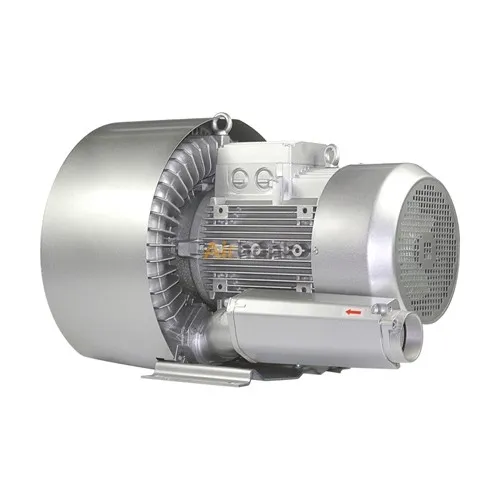
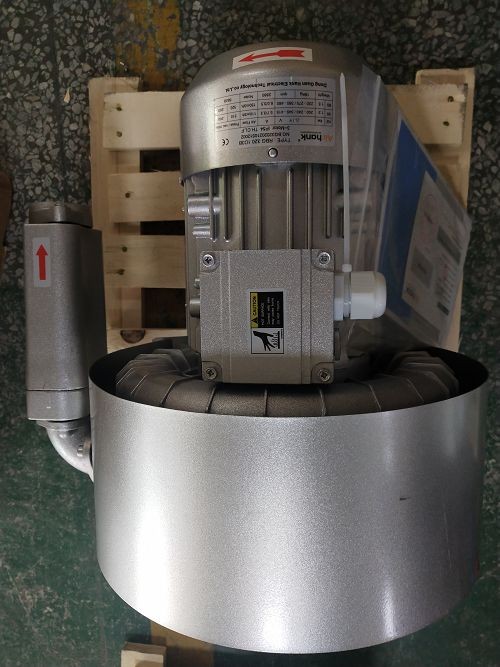
As a supplier of RBG double stage side channel blowers, I've had the privilege of witnessing firsthand the incredible performance and reliability of these machines. However, like any piece of equipment, they require regular maintenance to ensure optimal operation and longevity. In this blog post, I'll delve into the various types of maintenance that an RBG double stage side channel blower demands.
1. Regular Inspection
Regular inspections are the cornerstone of blower maintenance. They allow you to detect potential issues early, preventing costly breakdowns and ensuring the blower operates at peak efficiency.
Visual Inspection
Conduct a visual inspection of the blower at least once a month. Check for any signs of physical damage, such as cracks, dents, or loose parts. Inspect the housing for any signs of corrosion or rust, which can weaken the structure and lead to leaks. Pay close attention to the impeller, ensuring it is clean and free of debris. Any buildup on the impeller can disrupt the airflow and reduce the blower's performance.
Electrical Inspection
The electrical components of the blower are critical for its operation. Inspect the wiring for any signs of wear or damage, such as frayed wires or loose connections. Check the motor for proper grounding and ensure the electrical connections are tight. A loose connection can cause overheating and potentially damage the motor. Additionally, test the motor's insulation resistance regularly to ensure it meets the manufacturer's specifications.
2. Cleaning
Cleaning the blower is essential to maintain its performance and prevent damage. Over time, dust, dirt, and debris can accumulate on the impeller, housing, and other components, reducing the blower's efficiency and increasing the risk of breakdowns.
Impeller Cleaning
The impeller is the heart of the blower, and keeping it clean is crucial. Use a soft brush or compressed air to remove any dust or debris from the impeller blades. Be careful not to damage the blades, as even a small nick can disrupt the airflow and reduce the blower's performance. If the impeller is heavily soiled, you may need to remove it for a more thorough cleaning. Follow the manufacturer's instructions carefully when removing and reinstalling the impeller.
Housing Cleaning
The housing of the blower can also accumulate dust and debris. Use a damp cloth or a mild cleaning solution to wipe down the exterior of the housing. Avoid using abrasive cleaners or solvents, as they can damage the finish. For the interior of the housing, use compressed air to blow out any dust or debris. If necessary, you can use a vacuum cleaner with a soft brush attachment to remove stubborn dirt.
3. Lubrication
Proper lubrication is essential for the smooth operation of the blower's bearings and other moving parts. Without adequate lubrication, these parts can wear out quickly, leading to increased friction, noise, and potentially premature failure.
Bearing Lubrication
The bearings in the blower require regular lubrication to ensure smooth operation. Refer to the manufacturer's instructions for the recommended lubricant and lubrication interval. In general, the bearings should be lubricated every 3 to 6 months, depending on the operating conditions. Use a high-quality lubricant specifically designed for blower bearings. Over-lubrication can be just as harmful as under-lubrication, so be careful not to overdo it.
Other Moving Parts
In addition to the bearings, other moving parts in the blower, such as the belts and pulleys, may also require lubrication. Check the manufacturer's instructions for the specific lubrication requirements of these parts. Use a lubricant that is compatible with the materials used in the parts to avoid damage.
4. Belt and Pulley Maintenance
The belts and pulleys in the blower are responsible for transmitting power from the motor to the impeller. Proper maintenance of these components is essential to ensure the blower operates efficiently and reliably.
Belt Tension
Check the tension of the belts regularly to ensure they are not too loose or too tight. A loose belt can slip, reducing the blower's performance and causing excessive wear on the belt. A tight belt can put too much stress on the bearings and other components, leading to premature failure. Refer to the manufacturer's instructions for the correct belt tension and use a belt tension gauge to measure it. Adjust the tension as needed by loosening or tightening the belt adjustment bolts.
Belt and Pulley Inspection
Inspect the belts and pulleys for any signs of wear or damage, such as cracks, fraying, or excessive wear. Replace any worn or damaged belts or pulleys immediately to avoid further damage to the blower. Additionally, check the alignment of the pulleys to ensure they are properly aligned. Misaligned pulleys can cause the belts to wear unevenly and reduce the blower's efficiency.
5. Filter Replacement
Many RBG double stage side channel blowers are equipped with air filters to prevent dust and debris from entering the blower. These filters need to be replaced regularly to ensure the blower operates efficiently and to prevent damage to the internal components.
Filter Inspection
Check the air filter regularly for signs of dirt or clogging. If the filter is dirty or clogged, it will restrict the airflow and reduce the blower's performance. In some cases, a clogged filter can even cause the blower to overheat. Refer to the manufacturer's instructions for the recommended filter replacement interval. In general, the filter should be replaced every 3 to 6 months, depending on the operating conditions.
Filter Replacement
When replacing the air filter, make sure to use a filter that is compatible with the blower. Follow the manufacturer's instructions for removing and installing the filter. Be careful not to damage the filter or the housing during the replacement process.
6. Performance Testing
Regular performance testing is an important part of blower maintenance. It allows you to monitor the blower's performance and detect any potential issues early.
Airflow and Pressure Testing
Use a flow meter and a pressure gauge to measure the airflow and pressure of the blower. Compare the measured values with the manufacturer's specifications to ensure the blower is operating within the acceptable range. A significant deviation from the specifications may indicate a problem with the blower, such as a clogged filter, a worn impeller, or a malfunctioning motor.
Noise and Vibration Testing
Excessive noise and vibration can be a sign of a problem with the blower. Use a noise meter and a vibration analyzer to measure the noise and vibration levels of the blower. Compare the measured values with the manufacturer's specifications. If the noise or vibration levels are higher than normal, it may indicate a problem with the bearings, the impeller, or the alignment of the blower.
Conclusion
Maintaining an RBG double stage side channel blower is essential to ensure its optimal performance, reliability, and longevity. By following the maintenance procedures outlined in this blog post, you can keep your blower running smoothly and avoid costly breakdowns.
If you're in the market for an RBG double stage side channel blower, we offer a wide range of high-quality models, including the 3HP 2.2KW Dual-frequency Air Pump Blower and the 2HP 1.5KW Multi Stage Side Channel Blower. Our blowers are designed to meet the highest standards of quality and performance, and we provide comprehensive after-sales support to ensure your satisfaction.
If you have any questions about our products or need assistance with blower maintenance, please don't hesitate to contact us. We're here to help you make the right choice and keep your blower running at its best.
References
- Manufacturer's user manuals for RBG double stage side channel blowers
- Industry standards and best practices for blower maintenance