

How to optimize the air - to - paint ratio of a rotary air spray gun?
Hey there! As a supplier of rotary air spray guns, I've seen firsthand how crucial it is to get the air - to - paint ratio just right. In this blog, I'm gonna share some tips on how to optimize this ratio for your rotary air spray gun.
First off, let's talk about why the air - to - paint ratio matters. A proper ratio ensures an even and smooth paint finish. If there's too much air, the paint might atomize too much, leading to overspray and a waste of paint. On the other hand, if there's too little air, the paint won't spread evenly, resulting in a lumpy or uneven finish.
Understanding the Basics
The air - to - paint ratio is all about finding the sweet spot between the amount of air flowing through the gun and the amount of paint being dispensed. This balance depends on several factors, such as the type of paint you're using, the viscosity of the paint, and the surface you're painting.
For example, if you're using a high - viscosity paint like enamel, you'll probably need more air to atomize it properly compared to a low - viscosity paint like lacquer. Also, different surfaces require different levels of paint coverage. A rough surface might need a bit more paint, which could affect the ratio you need.
Adjusting the Air Pressure
One of the first steps in optimizing the air - to - paint ratio is adjusting the air pressure. Most rotary air spray guns come with an air pressure regulator. Start by setting the pressure to a medium level, around 30 - 40 PSI (pounds per square inch). This is a good starting point for most paints and applications.
Test the spray pattern on a scrap piece of material. If the pattern is too wide and the paint seems too thin, you might need to lower the air pressure. If the pattern is too narrow and the paint is coming out in clumps, increase the air pressure slightly. Keep making small adjustments until you get the desired spray pattern.
Controlling the Paint Flow
The next thing to consider is the paint flow. Most spray guns have a paint flow control knob. You can adjust this to increase or decrease the amount of paint being dispensed.
When you're starting out, turn the knob to a medium setting. Then, test the spray on a scrap surface. If the paint is coming out too thick, turn the knob counter - clockwise to reduce the paint flow. If it's too thin, turn it clockwise to increase the flow.
It's important to note that the paint flow and air pressure are interconnected. Changing one can affect the other. So, you might need to go back and forth between adjusting the air pressure and the paint flow until you find the perfect balance.

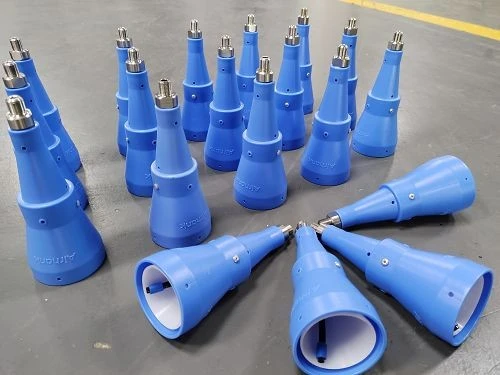
Considering the Nozzle Size
The size of the nozzle on your rotary air spray gun also plays a big role in the air - to - paint ratio. A larger nozzle will generally allow more paint to flow through, but it might also require more air to atomize the paint properly.
For thinner paints, a smaller nozzle size might be sufficient. But for thicker paints, you'll probably need a larger nozzle. If you're not sure which nozzle size to use, check the manufacturer's recommendations for the type of paint you're using.
For a great option, you can check out the 50mm Air Spray Gun Nozzle Air Compressor. It's a high - quality nozzle that can work well with a variety of paints and applications.
The Importance of Viscosity
As I mentioned earlier, the viscosity of the paint is a key factor in determining the air - to - paint ratio. Viscosity refers to how thick or thin the paint is. You can measure the viscosity of your paint using a viscosity cup.
If the paint is too thick, it won't flow easily through the gun and might require more air to atomize. You can thin the paint using a paint thinner or reducer. Just make sure to follow the manufacturer's instructions when thinning the paint.
On the other hand, if the paint is too thin, it might run or drip. In this case, you might need to add a thickening agent to increase the viscosity.
Testing and Tweaking
Optimizing the air - to - paint ratio is not a one - time thing. It requires some testing and tweaking. Always test the spray pattern on a scrap piece of material before you start painting your actual project.
Make small adjustments to the air pressure, paint flow, and nozzle size as needed. Keep track of the settings that work well for different types of paints and surfaces. This way, you'll build up a set of best practices that you can refer to in the future.
Maintenance of the Spray Gun
Proper maintenance of your rotary air spray gun is also essential for optimizing the air - to - paint ratio. A dirty or clogged gun can affect the air and paint flow, leading to an uneven ratio.
After each use, clean the gun thoroughly according to the manufacturer's instructions. This usually involves disassembling the gun and cleaning the parts with a suitable solvent. Check the nozzles and air passages for any blockages and clear them if necessary.
Training and Experience
Finally, don't underestimate the power of training and experience. If you're new to using a rotary air spray gun, it might take some time to get the hang of it. Consider taking a training course or watching some online tutorials to learn the best techniques.
As you gain more experience, you'll start to develop a feel for what settings work best for different situations. You'll be able to make adjustments more quickly and accurately, resulting in a better - quality paint job.
In conclusion, optimizing the air - to - paint ratio of a rotary air spray gun is a combination of understanding the basics, making adjustments, and maintaining the gun properly. By following these tips, you can achieve a smooth and even paint finish every time.
If you're interested in purchasing a rotary air spray gun or need more advice on optimizing the air - to - paint ratio, feel free to reach out. We're here to help you get the best results for your painting projects.
References
- "Spray Gun Technology Handbook"
- Manufacturer's manuals for rotary air spray guns