

How to measure the flow rate of an rbg single stage side channel blower?
Hey there! As a supplier of RBG single stage side channel blowers, I often get asked about how to measure the flow rate of these nifty machines. It's a crucial aspect, whether you're using them for industrial applications, aeration systems, or any other task where air movement is key. So, let's dive right in and explore the ins and outs of measuring the flow rate of an RBG single stage side channel blower.
First off, why is measuring the flow rate important? Well, it helps you understand how much air the blower is moving. This info is super useful for making sure the blower is working efficiently, sizing your system correctly, and troubleshooting any issues that might pop up. If the flow rate is too low, your process might not work as well as it should. On the other hand, if it's too high, you could be wasting energy and putting unnecessary strain on the blower.
There are a few different methods you can use to measure the flow rate of an RBG single stage side channel blower. Let's take a look at some of the most common ones.
1. Pitot Tube Method
The pitot tube method is a classic way to measure flow rate. It works by measuring the difference between the static pressure and the total pressure of the air flowing through the blower. You'll need a pitot tube, which is a small tube with a hole at the end that faces into the airflow. The pitot tube is connected to a manometer, which measures the pressure difference.
Here's how you do it:
- Install the Pitot Tube: Place the pitot tube in the duct or pipe where the air is flowing. Make sure it's positioned correctly, with the hole facing directly into the airflow.
- Connect the Manometer: Connect the pitot tube to the manometer according to the manufacturer's instructions.
- Take Readings: Once everything is set up, take readings from the manometer. The difference between the static pressure and the total pressure will give you the velocity pressure.
- Calculate the Flow Rate: Using the velocity pressure, you can calculate the air velocity. Then, by multiplying the air velocity by the cross-sectional area of the duct or pipe, you can determine the flow rate.
The pitot tube method is relatively simple and accurate, but it does require some equipment and a bit of knowledge about fluid dynamics. It's also important to make sure the pitot tube is installed correctly to get accurate readings.
2. Anemometer Method
An anemometer is a device that measures the speed of the air. There are different types of anemometers, including vane anemometers, hot-wire anemometers, and ultrasonic anemometers.
Here's how you use an anemometer to measure the flow rate:
- Select the Right Anemometer: Choose an anemometer that is suitable for the type of airflow you're measuring. For example, a vane anemometer is good for measuring low to medium air velocities, while a hot-wire anemometer is more accurate for measuring high air velocities.
- Take Readings: Place the anemometer in the duct or pipe where the air is flowing. Take multiple readings at different points across the cross-sectional area of the duct or pipe to get an average air velocity.
- Calculate the Flow Rate: Similar to the pitot tube method, multiply the average air velocity by the cross-sectional area of the duct or pipe to calculate the flow rate.
The anemometer method is easy to use and doesn't require as much equipment as the pitot tube method. However, it can be less accurate, especially if the airflow is not uniform.
3. Orifice Plate Method
The orifice plate method involves installing an orifice plate in the duct or pipe where the air is flowing. The orifice plate is a thin plate with a hole in the center. As the air flows through the hole, it creates a pressure drop.
Here's how you use the orifice plate method to measure the flow rate:
- Install the Orifice Plate: Place the orifice plate in the duct or pipe according to the manufacturer's instructions. Make sure it's installed correctly and that the hole is centered.
- Measure the Pressure Drop: Use a manometer to measure the pressure drop across the orifice plate.
- Calculate the Flow Rate: Using the pressure drop and the characteristics of the orifice plate, you can calculate the flow rate using a formula.
The orifice plate method is relatively accurate, but it can be more expensive and complex to install compared to the other methods. It also requires a certain amount of knowledge about fluid dynamics and orifice plate design.
Factors Affecting Flow Rate Measurement
When measuring the flow rate of an RBG single stage side channel blower, there are a few factors that can affect the accuracy of your measurements. Here are some of the most important ones:
- Air Density: The density of the air can affect the flow rate. Air density changes with temperature, pressure, and humidity. Make sure to take these factors into account when calculating the flow rate.
- Duct or Pipe Configuration: The shape and size of the duct or pipe can also affect the flow rate. Irregularities in the duct or pipe, such as bends, elbows, and restrictions, can cause the airflow to become turbulent and affect the accuracy of your measurements.
- Blower Operating Conditions: The operating conditions of the blower, such as the speed, pressure, and temperature, can also affect the flow rate. Make sure to measure the flow rate under the same operating conditions as the blower will be used in.
Choosing the Right Blower for Your Application
Now that you know how to measure the flow rate of an RBG single stage side channel blower, it's important to choose the right blower for your application. At our company, we offer a wide range of RBG single stage side channel blowers, including the RBG320 1D3BHigh-Pressure Aeration Blower, the 1.5HP Vacuum Pump Air Blower, and the 18.5KW High Airflow Super Air Blower.

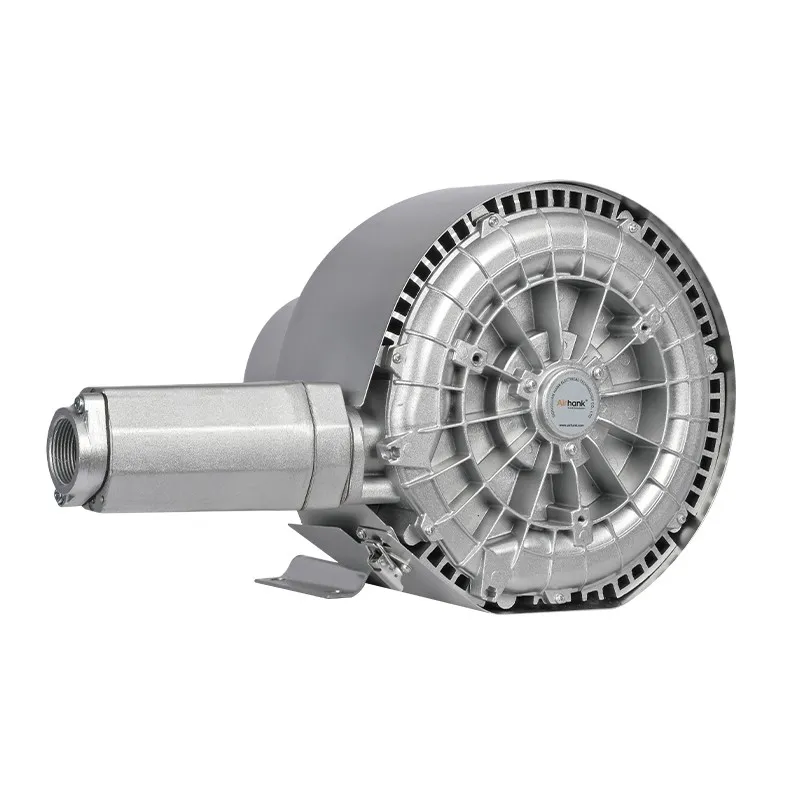
When choosing a blower, consider the following factors:
- Flow Rate Requirements: Determine the flow rate you need for your application. Make sure to choose a blower that can provide the required flow rate at the desired pressure.
- Pressure Requirements: Consider the pressure requirements of your application. Some applications require high-pressure blowers, while others can use low-pressure blowers.
- Power Consumption: Look at the power consumption of the blower. Choose a blower that is energy-efficient to save on operating costs.
- Noise Level: If noise is a concern, choose a blower that operates quietly. Some blowers are designed with noise-reducing features to minimize noise levels.
Contact Us for More Information
If you have any questions about measuring the flow rate of an RBG single stage side channel blower or choosing the right blower for your application, don't hesitate to contact us. We're here to help you find the best solution for your needs. Whether you're a small business or a large industrial operation, we have the expertise and products to meet your requirements.
So, if you're ready to take your air movement system to the next level, give us a shout. We'll work with you to understand your needs and provide you with the best RBG single stage side channel blower for your application.
References
- "Fluid Mechanics" by Frank M. White
- "Air Movement and Control Association International, Inc. (AMCA) Standards"