

How to optimize the air distribution of an air compressor pneumatic air knife?
Optimizing the air distribution of an air compressor pneumatic air knife is crucial for enhancing its performance and efficiency. As a supplier of Air Compressor Pneumatic Air Knife, I have witnessed firsthand the impact that proper air distribution can have on the overall functionality of these devices. In this blog post, I will share some insights and strategies on how to optimize the air distribution of an air compressor pneumatic air knife.
Understanding the Basics of Air Distribution
Before delving into the optimization techniques, it is essential to understand the basic principles of air distribution in an air compressor pneumatic air knife. The primary function of an air knife is to generate a high - velocity, uniform air stream. This is achieved by forcing compressed air through a narrow slot or nozzle. The quality of the air distribution determines how evenly the air is spread across the target area and how effectively it can perform tasks such as drying, cleaning, or blow - off.
The key factors that affect air distribution include the design of the air knife, the pressure and flow rate of the compressed air, and the distance between the air knife and the target surface. A well - designed air knife should be able to produce a laminar air flow, which means the air moves in parallel layers with minimal turbulence. Turbulent air flow can lead to uneven air distribution and reduced efficiency.
Design Considerations for Optimal Air Distribution
Slot Design
The slot design of the air knife plays a significant role in air distribution. A properly sized and shaped slot can ensure that the compressed air is released in a controlled manner. For example, a uniform slot width along the length of the air knife helps to maintain a consistent air velocity across the entire width of the air stream. Some air knives are designed with adjustable slots, which allow users to fine - tune the air distribution according to their specific needs.
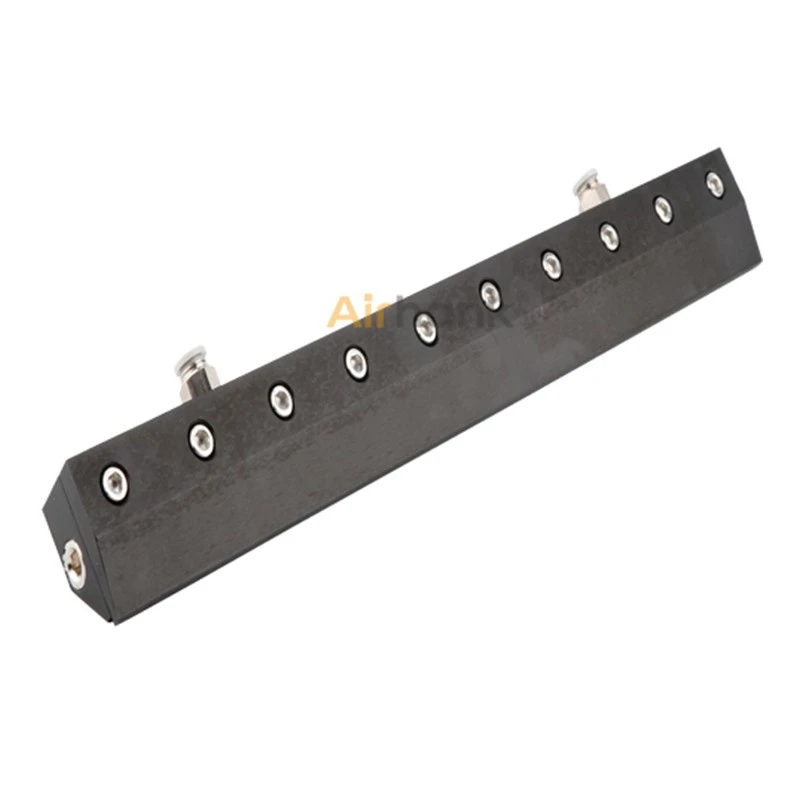

Internal Baffles
Internal baffles can be incorporated into the air knife design to improve air distribution. These baffles help to direct the compressed air evenly towards the slot, reducing the formation of dead zones or areas with uneven air flow. By guiding the air flow within the air knife, baffles can enhance the uniformity of the air stream exiting the slot.
Material Selection
The material of the air knife also affects air distribution. Smooth and non - porous materials can minimize air resistance and turbulence. For instance, aluminum is a popular choice for air knives due to its lightweight, corrosion - resistant properties, and smooth surface finish, which promotes laminar air flow.
Controlling Compressed Air Parameters
Pressure Regulation
Proper pressure regulation is essential for optimizing air distribution. The pressure of the compressed air supplied to the air knife should be carefully adjusted to achieve the desired air velocity and flow rate. Too low a pressure may result in insufficient air flow and weak air streams, while too high a pressure can cause excessive turbulence and energy waste. Using a pressure regulator can help maintain a stable and appropriate pressure for the air knife.
Flow Rate Control
In addition to pressure, the flow rate of the compressed air also impacts air distribution. A consistent flow rate ensures that the air is delivered evenly over time. Flow control valves can be installed in the air supply line to regulate the amount of air flowing into the air knife. By adjusting the flow rate, users can optimize the air distribution based on the specific requirements of their application.
Positioning and Mounting of the Air Knife
Distance from the Target Surface
The distance between the air knife and the target surface is a critical factor in air distribution. If the air knife is too far from the target, the air stream may disperse and lose its effectiveness. On the other hand, if it is too close, it may cause uneven drying or cleaning due to the concentrated air flow. The optimal distance depends on the type of air knife, the air velocity, and the nature of the target surface. Generally, it is recommended to conduct some tests to determine the ideal distance for a particular application.
Angle of Installation
The angle at which the air knife is installed also affects air distribution. The air knife should be positioned at an appropriate angle to ensure that the air stream hits the target surface evenly. For example, in a drying application, angling the air knife slightly downward can help to direct the moisture away from the surface more effectively.
Monitoring and Maintenance
Regular Inspections
Regular inspections of the air knife are necessary to ensure optimal air distribution. Check for any blockages in the slot or internal passages, as these can disrupt the air flow. Also, inspect the integrity of the air knife structure, looking for any signs of damage or wear that may affect air distribution.
Filter Maintenance
Filters in the air supply system should be regularly maintained to prevent contaminants from entering the air knife. Clogged filters can reduce the air flow and cause uneven air distribution. By replacing or cleaning the filters at recommended intervals, the quality of the compressed air and the performance of the air knife can be maintained.
Case Study: TA Series Air Knife Drying System
The TA series air knife drying system is a prime example of how proper air distribution optimization can lead to excellent performance. This system is designed with a precision - engineered slot and internal baffles to ensure a highly uniform air stream. The adjustable slot width allows users to customize the air distribution according to different drying requirements.
In a real - world application, a manufacturing plant was using the TA series air knife drying system to dry products on a conveyor belt. By carefully adjusting the pressure, flow rate, and the position of the air knives, they were able to achieve consistent and efficient drying results. The uniform air distribution across the width of the conveyor belt ensured that all products were dried evenly, reducing the chances of re - wetting and improving the overall quality of the finished products.
Conclusion
Optimizing the air distribution of an air compressor pneumatic air knife is a multi - faceted process that involves design considerations, control of compressed air parameters, proper positioning, and regular maintenance. By paying attention to these aspects, users can enhance the performance and efficiency of their air knives, leading to better results in applications such as drying, cleaning, and blow - off.
If you are interested in learning more about our Air Compressor Pneumatic Air Knife or the TA series air knife drying system, or if you have any specific requirements for your application, please feel free to contact us for a detailed discussion and potential procurement. We are committed to providing high - quality products and professional solutions to meet your needs.
References
- "Compressed Air Systems Handbook" by Compressed Air and Gas Institute
- "Fluid Mechanics" by Frank M. White
- Manufacturer's technical documentation for air compressor pneumatic air knives