

How to maintain a standard air knife made of ea aluminium alloy?
Maintaining a standard air knife made of EA aluminium alloy is crucial for ensuring its optimal performance and longevity. As a supplier of EA aluminium alloy standard air knives, I understand the significance of proper maintenance. In this blog, I will share some essential tips and guidelines on how to maintain these air knives effectively.
Understanding the EA Aluminium Alloy Air Knife
Before delving into maintenance, it's important to understand the basic components and functionality of an EA aluminium alloy air knife. These air knives are designed to generate a high - velocity, uniform air stream. The EA aluminium alloy provides a combination of lightweight construction and good corrosion resistance, making it suitable for various industrial applications such as Industrial Film Drying Air Knife with Regenerative Blower.
Regular Cleaning
One of the most fundamental maintenance tasks is regular cleaning. Over time, dust, dirt, and debris can accumulate on the surface and inside the air knife. This buildup can restrict the airflow, reduce the efficiency of the air stream, and even cause damage to the internal components.
- External Cleaning: Use a soft, dry cloth to wipe the exterior of the air knife regularly. For stubborn dirt or grease, you can dampen the cloth with a mild detergent solution. Make sure to dry the air knife thoroughly after cleaning to prevent corrosion.
- Internal Cleaning: To clean the inside of the air knife, you can use compressed air. Connect a compressed air source to the air inlet of the air knife and blow the air through it. This will help dislodge any debris trapped inside. If there is a significant amount of buildup, you may need to disassemble the air knife (following the manufacturer's instructions) and clean the internal parts with a small brush or compressed air.
Inspection of Components
Regular inspection of the air knife's components is essential to detect any signs of wear, damage, or malfunction early.
- Blade and Nozzle: Check the blade and nozzle for any signs of damage, such as cracks, chips, or deformation. A damaged blade or nozzle can disrupt the airflow pattern and reduce the performance of the air knife. If you notice any damage, replace the blade or nozzle immediately.
- Mounting and Fasteners: Inspect the mounting brackets and fasteners to ensure they are secure. Loose mounting can cause the air knife to vibrate, which may lead to further damage. Tighten any loose fasteners as needed.
- Seals and Gaskets: Check the seals and gaskets for signs of wear or leakage. Leaking seals can result in air loss and reduced efficiency. Replace any worn - out seals or gaskets promptly.
Lubrication
Although EA aluminium alloy air knives generally do not require extensive lubrication, some moving parts may benefit from occasional lubrication.
- Hinges and Joints: If the air knife has hinges or joints for adjustment, apply a small amount of lubricant to these parts. Use a lubricant recommended by the manufacturer to avoid any compatibility issues.
- Bearings (if applicable): Some air knives may have bearings. Check the bearings regularly for smooth operation. If they seem rough or noisy, lubricate them according to the manufacturer's instructions.
Air Supply Maintenance
The quality of the air supply has a significant impact on the performance and lifespan of the air knife.
- Air Filter: Ensure that the air filter in the air supply system is clean and functioning properly. A clogged air filter can restrict the airflow to the air knife, reducing its efficiency. Replace the air filter regularly according to the manufacturer's recommendations.
- Moisture Removal: Moisture in the air supply can cause corrosion inside the air knife. Install a moisture separator in the air supply line to remove any moisture from the compressed air. Check the moisture separator regularly and drain any accumulated water.
Storage
If the air knife is not going to be used for an extended period, proper storage is essential to prevent damage.
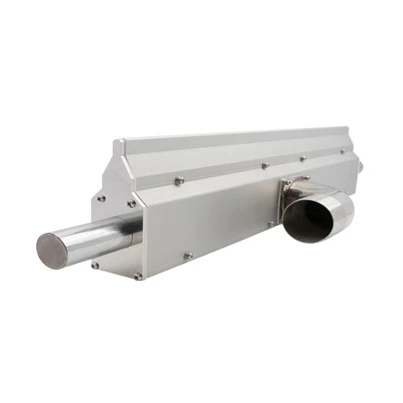

- Clean and Dry: Before storing the air knife, clean it thoroughly and make sure it is completely dry. This will prevent corrosion during storage.
- Protective Cover: Cover the air knife with a protective cover to prevent dust and debris from accumulating on it.
- Storage Location: Store the air knife in a dry, cool, and clean environment. Avoid storing it in areas with high humidity, extreme temperatures, or exposure to chemicals.
Performance Testing
Periodically test the performance of the air knife to ensure it is operating at its best.
- Airflow Measurement: Use an airflow meter to measure the airflow rate of the air knife. Compare the measured airflow with the manufacturer's specifications. A significant deviation from the specifications may indicate a problem with the air knife or the air supply system.
- Air Velocity and Pattern: You can also use an anemometer to measure the air velocity at different points along the air stream. Check the airflow pattern to ensure it is uniform and consistent. Any irregularities in the air velocity or pattern may require further inspection and adjustment.
Calibration
Over time, the performance of the air knife may drift from its original settings. Calibration is necessary to ensure that the air knife is operating at the correct airflow rate, velocity, and pattern.
- Follow Manufacturer's Instructions: The calibration process should be carried out according to the manufacturer's instructions. This may involve adjusting the air pressure, the position of the blade or nozzle, or other parameters.
- Use Calibration Tools: Use appropriate calibration tools, such as airflow meters and anemometers, to accurately measure and adjust the performance of the air knife.
Maintenance Records
Keep detailed maintenance records for each air knife. This includes the date of cleaning, inspection, component replacement, calibration, and any other maintenance activities. Maintenance records can help you track the history of the air knife, identify recurring problems, and plan future maintenance schedules.
Importance of Professional Maintenance
While many maintenance tasks can be performed by the end - user, it is also advisable to have the air knife professionally serviced at regular intervals. Professional technicians have the expertise and specialized tools to perform in - depth inspections, maintenance, and repairs. They can also identify potential problems that may not be apparent to the untrained eye.
Contact for Purchase and Consultation
As a supplier of EA aluminium alloy standard air knives, we are committed to providing high - quality products and excellent after - sales service. Our air knives are suitable for a wide range of industrial applications, such as SA stainless Steel Air Knife Drying system and Aluminum Alloy Air Knife Air Blade.
If you are interested in purchasing our EA aluminium alloy standard air knives or need more information about maintenance, performance, or application, please feel free to contact us. We are here to assist you with all your air knife needs and help you make the right choice for your industrial processes.
References
- Manufacturer's Manuals for EA Aluminium Alloy Standard Air Knives
- Industrial Air Knife Application and Maintenance Guides
- Technical Literature on Aluminium Alloy Corrosion and Protection