

What are the requirements for the electrical connection of an rbg double stage side channel blower?
Hey there! As a supplier of RBG double stage side channel blowers, I've had my fair share of dealing with the nitty - gritty details of these machines. One question that often pops up is about the requirements for the electrical connection of an RBG double stage side channel blower. So, let's dive right in and break it down.
First off, it's crucial to understand that the electrical connection of an RBG double stage side channel blower needs to be spot - on to ensure the blower operates efficiently and safely. The power supply is the starting point. These blowers typically require a stable and appropriate voltage source. Most of the time, they are designed to work with either single - phase or three - phase power supplies, depending on the model and its power rating.
For smaller models, like the 2HP 1.5KW Multi Stage Side Channel Blower, a single - phase power supply might be sufficient. Single - phase power is commonly available in residential and small commercial settings. It's important to check the voltage requirements of the blower. Usually, it could be something like 220V or 230V, but this can vary. You've got to make sure that the voltage of your power source matches what the blower is designed for. If the voltage is too low, the blower might not operate at its full capacity, and if it's too high, it could damage the motor.
On the other hand, larger models, such as the 3HP 2.2KW Dual - frequency Air Pump Blower, often require a three - phase power supply. Three - phase power is more common in industrial settings and provides a more balanced and efficient power delivery. The standard voltages for three - phase power can be 380V, 400V, or other values depending on the region. Just like with single - phase, you must double - check that the voltage of your three - phase power source aligns with the blower's requirements.
Another important aspect is the frequency of the power supply. In most parts of the world, the power frequency is either 50Hz or 60Hz. The RBG double stage side channel blowers are designed to work with a specific frequency. If you try to run a blower designed for 50Hz on a 60Hz power supply, or vice versa, it can lead to issues. The motor might overheat, the blower's performance could be affected, and in the worst - case scenario, it could cause permanent damage to the machine. So, always verify the frequency compatibility before making the electrical connection.
Now, let's talk about the wiring. The wiring for the electrical connection of the blower needs to be of high quality. You want to use wires that can handle the current load without overheating. The size of the wire, also known as the gauge, is determined by the amount of current the blower will draw. A thicker wire (lower gauge number) is required for higher current loads. Using a wire that's too thin can lead to excessive heat generation, which is not only a fire hazard but can also damage the blower's electrical components.

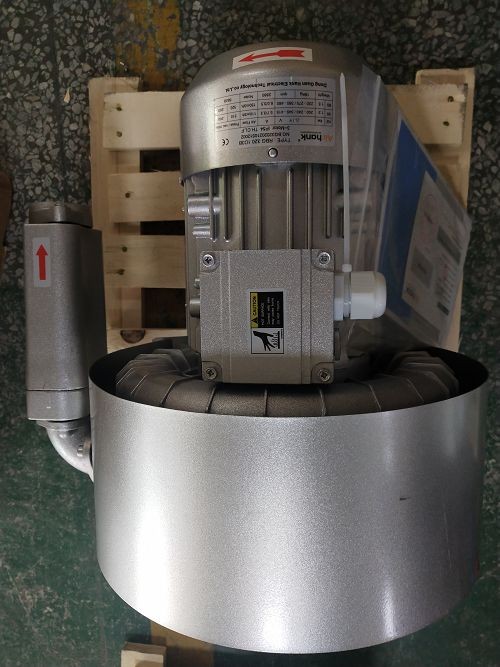
When it comes to making the actual connections, it's essential to follow the wiring diagram provided by the manufacturer. These diagrams are usually included in the blower's user manual. They show you exactly how to connect the wires to the motor terminals, switches, and other electrical components. Making a wrong connection can cause the blower to malfunction or, again, damage the motor.
In addition to the power supply and wiring, you also need to consider the protection devices. Over - current protection is a must. A circuit breaker or a fuse should be installed in the electrical circuit. This device will trip or blow if the current flowing through the circuit exceeds a safe level. This protects the blower from damage due to short - circuits or other electrical faults.
Grounding is another critical requirement. The blower must be properly grounded to prevent electrical shocks. A grounding wire should be connected to the blower's frame and to a proper grounding point. This provides a safe path for electrical current in case of a fault, ensuring the safety of anyone who comes into contact with the blower.
It's also a good idea to have a disconnect switch installed. This switch allows you to easily cut off the power to the blower for maintenance or in case of an emergency. It should be located in a convenient and accessible location near the blower.
Before making any electrical connections, make sure to turn off the power at the main source. This is a basic safety precaution that can prevent electrical accidents. Also, if you're not confident in your electrical skills, it's best to hire a qualified electrician to handle the connection. They have the knowledge and experience to ensure that the electrical connection is made correctly and safely.
In summary, the requirements for the electrical connection of an RBG double stage side channel blower include matching the power supply voltage and frequency, using high - quality wiring of the appropriate gauge, following the manufacturer's wiring diagram, installing protection devices like circuit breakers and fuses, proper grounding, and having a disconnect switch. By meeting these requirements, you can ensure that your blower operates efficiently, safely, and has a long service life.
If you're in the market for an RBG double stage side channel blower or have any questions about the electrical connection or other aspects of these blowers, don't hesitate to reach out. We're here to help you make the right choice and ensure that your blower installation goes smoothly. Whether you need a small 2HP model or a more powerful 3HP one, we've got you covered. Let's start a conversation about your specific needs and how we can provide the best solution for you.
References
- Manufacturer's user manuals for RBG double stage side channel blowers
- Electrical safety standards and regulations in relevant regions