

How to choose the right size of an aluminum alloy air knife air blade?
Selecting the appropriate size of an aluminum alloy air knife air blade is a critical decision that can significantly impact the efficiency and effectiveness of your industrial processes. As a trusted supplier of Aluminum Alloy Air Knife Air Blade, I understand the complexities involved in this choice and am here to guide you through the process.
Understanding the Basics of Aluminum Alloy Air Knives
Aluminum alloy air knives are widely used in various industries for tasks such as drying, cleaning, cooling, and coating removal. They work by creating a high - velocity, uniform air stream that can effectively remove moisture, debris, or other substances from surfaces. The key components of an air knife are the blade, which is responsible for shaping the air stream, and the body, which houses the air inlet and distributes the air evenly.
Factors to Consider When Choosing the Size
Width of the Application Area
One of the primary factors to consider is the width of the surface you need to treat. The width of the air knife blade should match or slightly exceed the width of the target area to ensure complete coverage. For example, if you are drying a conveyor belt that is 500mm wide, you would typically choose an air knife with a blade width of at least 500mm. This ensures that the entire width of the belt is exposed to the high - velocity air stream, maximizing the drying efficiency.
Airflow Requirements
The required airflow depends on the specific application. If you are removing a thick layer of liquid or debris, you will need a higher airflow rate. The airflow rate is usually measured in cubic meters per hour (m³/h) or cubic feet per minute (CFM). To calculate the required airflow, you need to consider factors such as the viscosity of the liquid, the speed of the conveyor, and the distance between the air knife and the surface.
For instance, in a Industrial Film Drying Air Knife with Regenerative Blower application, a higher airflow is required to quickly dry the film. You may need to consult with an engineer or use airflow calculation tools to determine the exact airflow requirements for your application.
Air Pressure
Air pressure is another crucial factor. Higher air pressure generally results in a more powerful air stream, which can be beneficial for removing stubborn substances. However, excessive air pressure can also cause damage to delicate surfaces. The air pressure is typically measured in pascals (Pa) or pounds per square inch (psi).
When choosing an air knife, you need to ensure that the air pressure is within the acceptable range for your application. Some air knives come with adjustable air pressure settings, which can be very useful in applications where the requirements may vary.
Space Constraints
The physical space available in your facility can also limit your choice of air knife size. If you have limited space, you may need to opt for a more compact air knife. Some air knives are designed to be installed in tight spaces, such as narrow conveyor systems. In such cases, you need to carefully measure the available space and choose an air knife that can fit without causing any interference.
Compatibility with Existing Equipment
If you are integrating the air knife into an existing system, you need to ensure that it is compatible with your other equipment, such as blowers, compressors, and control systems. For example, the air inlet size of the air knife should match the outlet size of the blower to ensure efficient air transfer.
Different Sizes and Their Applications
Small - Sized Air Knives (Less than 100mm Width)
Small - sized air knives are ideal for applications where precision is required. They are commonly used in electronics manufacturing, where they can be used to remove dust or moisture from small components. They are also suitable for laboratory applications, such as drying small samples or cooling delicate instruments.
Medium - Sized Air Knives (100mm - 500mm Width)
Medium - sized air knives are the most commonly used type. They are suitable for a wide range of applications, including food processing, packaging, and general industrial cleaning. In food processing, they can be used to dry fruits or vegetables after washing. In the SA stainless Steel Air Knife Drying system, medium - sized air knives can be used to dry products on a conveyor belt.
Large - Sized Air Knives (Greater than 500mm Width)
Large - sized air knives are used in applications where a wide surface area needs to be treated. They are commonly found in industries such as paper manufacturing, textile production, and automotive manufacturing. In paper manufacturing, large air knives can be used to dry the paper web as it moves through the production line.
Evaluating the Quality of Air Knives
In addition to choosing the right size, it is also important to evaluate the quality of the air knife. Look for air knives made from high - quality aluminum alloy that can withstand corrosion and wear. The design of the air knife should ensure a uniform air stream across the entire width of the blade.
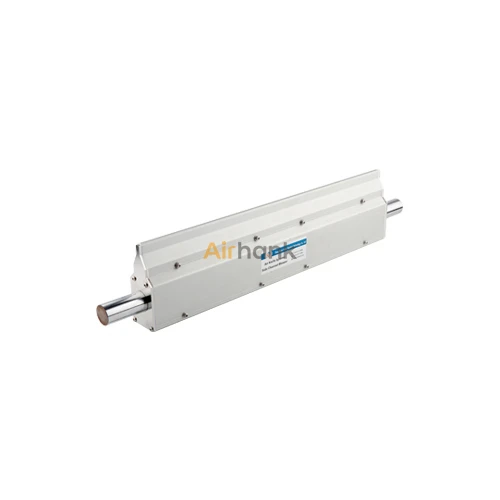
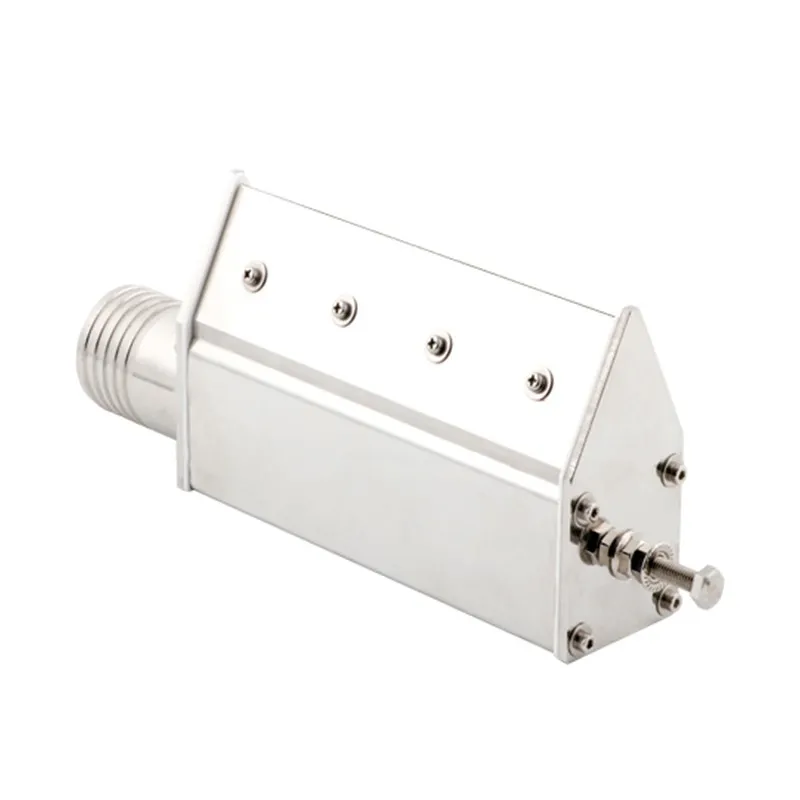
You can also consider the reputation of the manufacturer. Read customer reviews and testimonials to get an idea of the performance and reliability of the air knives. A reliable manufacturer will also provide technical support and after - sales service, which can be very helpful in case of any issues.
Making the Final Decision
Once you have considered all the factors mentioned above, you can make an informed decision about the size of the aluminum alloy air knife air blade. It is often a good idea to consult with an expert in the field or request a sample from the supplier to test the performance of the air knife in your specific application.
At our company, we offers a wide range of aluminum alloy air knife air blades in different sizes and configurations to meet the diverse needs of our customers. Our team of experts is always ready to assist you in choosing the right size and providing technical support.
If you are interested in purchasing an aluminum alloy air knife air blade or have any questions about the selection process, please do not hesitate to contact us. We look forward to working with you to improve the efficiency of your industrial processes.
References
- "Industrial Air Knives: Principles and Applications" by John Doe, published in Industrial Process Solutions Journal, 20XX
- "Air Knife Technology: A Comprehensive Guide" by Jane Smith, published by Industrial Equipment Press, 20XX