

What are the solutions to the problems of a pump turbine side channel blower?
As a supplier of pump turbine side channel blowers, I have witnessed firsthand the challenges and opportunities that come with this industry. Pump turbine side channel blowers are essential components in various industrial applications, from wastewater treatment to pneumatic conveying systems. However, like any mechanical equipment, they can encounter problems that affect their performance and efficiency. In this blog post, I will discuss some common issues faced by pump turbine side channel blowers and propose solutions to address them.
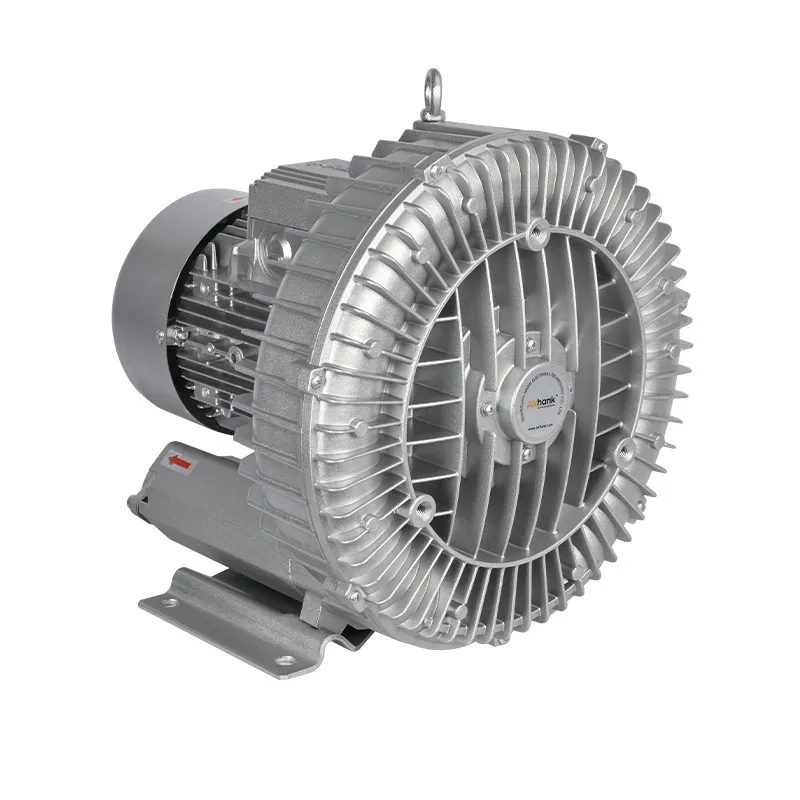
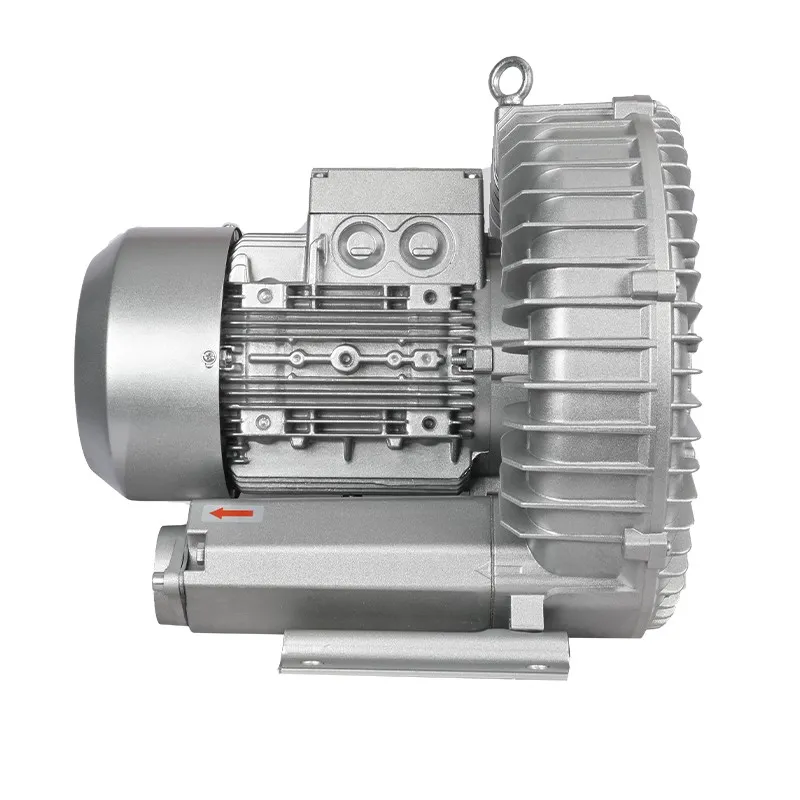
Common Problems of Pump Turbine Side Channel Blowers
1. Air Leakage
Air leakage is one of the most frequent problems in pump turbine side channel blowers. It can occur at various points, such as the seals between the housing and the impeller, the joints of the pipes, or the gaskets. Air leakage reduces the blower's efficiency as it allows the pressured air to escape, resulting in lower flow rates and increased energy consumption.
2. Overheating
Overheating can be caused by several factors, including excessive workload, poor ventilation, or a malfunctioning cooling system. When a blower overheats, it can damage the internal components, such as the bearings and the motor. This not only reduces the lifespan of the blower but also poses a safety risk.
3. Noise and Vibration
Excessive noise and vibration are often signs of underlying problems in a pump turbine side channel blower. They can be caused by unbalanced impellers, loose components, or improper installation. High levels of noise and vibration can not only be a nuisance but also indicate that the blower is experiencing mechanical stress, which may lead to premature failure.
4. Low Performance
Low performance can manifest as reduced air flow, pressure, or efficiency. It can be due to a variety of reasons, including clogged filters, worn-out impellers, or incorrect settings. When a blower fails to meet the required performance parameters, it can disrupt the entire production process and lead to increased costs.
Solutions to the Problems
1. Preventing Air Leakage
- Regular Inspection: Conduct regular inspections of the blower to check for any signs of air leakage. Look for worn-out seals, cracked gaskets, or loose connections. Replace any damaged components immediately.
- Proper Sealing: Use high-quality seals and gaskets during installation and replacement. Ensure that all connections are tightened properly to prevent air from leaking.
- Sealant Application: In some cases, applying a suitable sealant can help to prevent air leakage. Make sure to choose a sealant that is compatible with the materials used in the blower.
2. Addressing Overheating
- Optimal Workload: Ensure that the blower is not overloaded. Check the specifications of the blower and make sure that it is operating within its designed capacity. If necessary, adjust the workload or upgrade to a more powerful blower.
- Improved Ventilation: Provide adequate ventilation around the blower to allow for proper heat dissipation. Clean the ventilation ports regularly to prevent blockages.
- Cooling System Maintenance: If the blower is equipped with a cooling system, such as a fan or a heat exchanger, make sure it is functioning properly. Check the coolant level and the condition of the cooling components regularly.
3. Reducing Noise and Vibration
- Balancing the Impeller: An unbalanced impeller can cause significant noise and vibration. Have the impeller balanced by a professional to ensure smooth operation.
- Tightening Loose Components: Check all the bolts and nuts on the blower and tighten any that are loose. This can help to reduce vibration and prevent further damage.
- Proper Installation: Ensure that the blower is installed correctly according to the manufacturer's instructions. Use vibration dampers if necessary to isolate the blower from the surrounding structure.
4. Improving Performance
- Filter Cleaning or Replacement: Clogged filters can restrict the air flow and reduce the blower's performance. Clean or replace the filters regularly to maintain optimal air flow.
- Impeller Inspection and Replacement: Over time, the impellers can wear out, which can affect the blower's efficiency. Inspect the impellers regularly and replace them if they show signs of excessive wear.
- Setting Adjustment: Check and adjust the settings of the blower, such as the speed and pressure, to ensure that they are optimized for the specific application.
Our Product Offerings
At our company, we offer a wide range of Pump Turbine Side Channel Blower to meet the diverse needs of our customers. Our blowers are designed with high-quality materials and advanced technology to ensure reliable performance and long service life.
One of our popular products is the Dedicated Drying System BlowerRBG810 5D5C. This blower is specifically designed for drying applications and offers excellent performance, energy efficiency, and low noise levels. It is equipped with advanced features such as a high-efficiency impeller and a reliable motor to ensure optimal operation.
Contact Us for Procurement
If you are facing problems with your pump turbine side channel blower or are interested in purchasing a new one, we are here to help. Our team of experienced engineers and technicians can provide you with professional advice and support to ensure that you choose the right blower for your application.
Contact us today to discuss your requirements and start a procurement negotiation. We look forward to working with you to find the best solutions for your needs.
References
- Manufacturer's manuals and technical documents for pump turbine side channel blowers.
- Industry standards and guidelines for the operation and maintenance of blowers.
- Research papers and articles on the performance and troubleshooting of side channel blowers.