

Can an air compressor pneumatic air knife be used for mold cleaning?
As a supplier of air compressor pneumatic air knives, I often get asked about the various applications of our products. One question that comes up quite frequently is whether an air compressor pneumatic air knife can be used for mold cleaning. In this blog post, I'll explore this topic in detail, looking at the benefits, limitations, and practical considerations of using an air knife for mold cleaning.
Understanding Air Compressor Pneumatic Air Knives
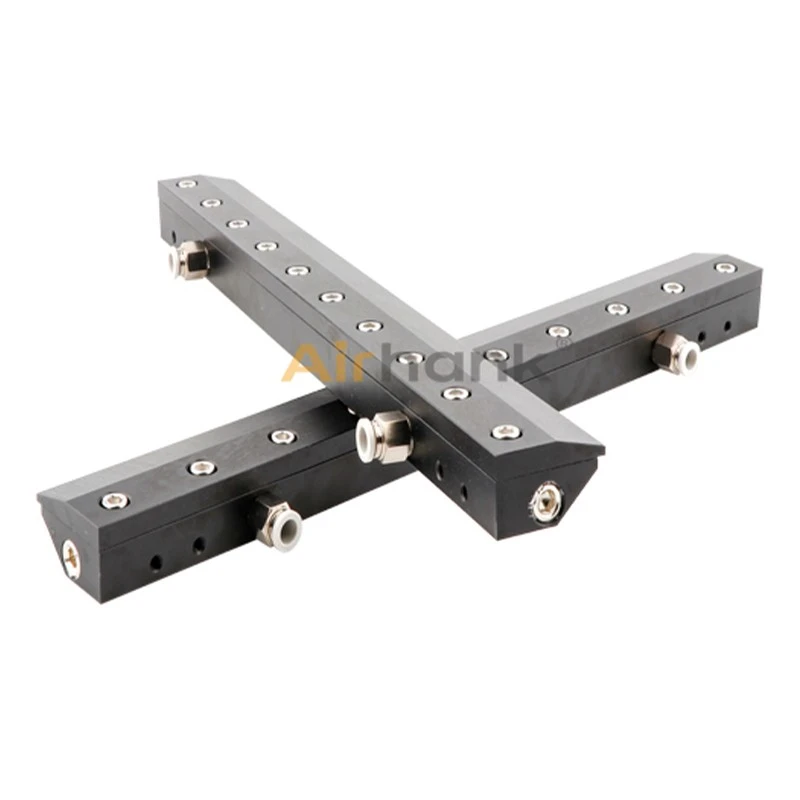
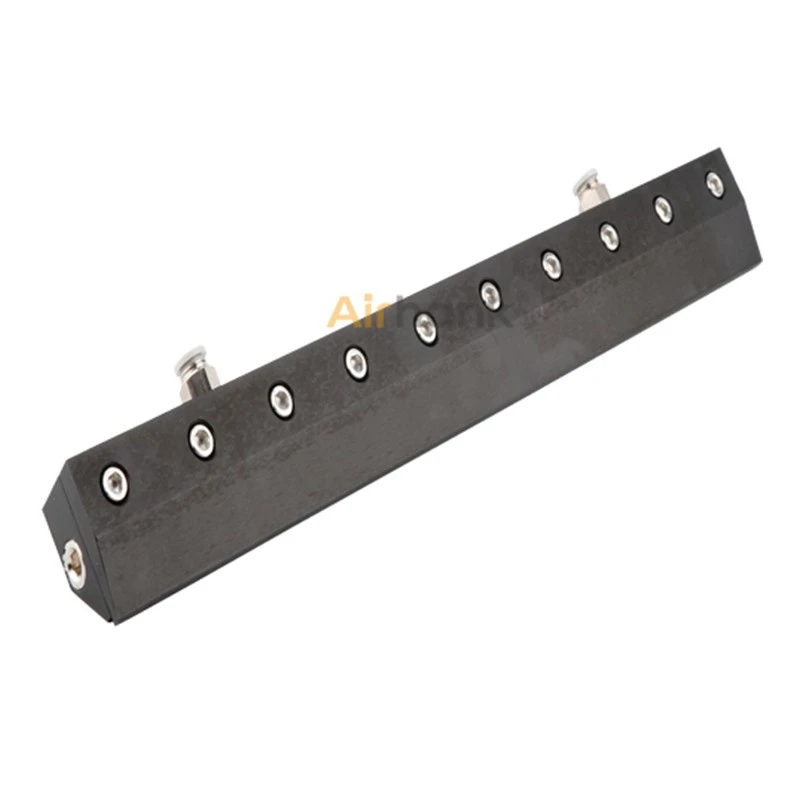
Before delving into the application of air knives for mold cleaning, it's essential to understand what an air compressor pneumatic air knife is. An Air Compressor Pneumatic Air Knife is a device that uses compressed air to create a high - velocity, uniform curtain of air. This curtain of air can be used for a variety of purposes, including drying, cleaning, and conveying.
The basic principle behind an air knife is simple. Compressed air is introduced into the air knife chamber. The air then exits through a narrow slit, creating a thin, high - speed sheet of air. The design of the air knife ensures that the air flow is laminar, which means that the air moves in parallel layers with minimal turbulence. This laminar flow results in a more efficient and effective use of the compressed air.
Benefits of Using an Air Knife for Mold Cleaning
There are several reasons why an air compressor pneumatic air knife can be an excellent choice for mold cleaning.
1. Non - Contact Cleaning
One of the significant advantages of using an air knife for mold cleaning is that it is a non - contact method. This means that there is no physical contact between the cleaning tool and the mold surface. For delicate molds or those with complex geometries, non - contact cleaning is crucial as it reduces the risk of damage to the mold.
2. Efficient Removal of Debris
The high - velocity air curtain produced by the air knife can effectively remove loose debris, dust, and small particles from the mold surface. The laminar flow of the air ensures that the debris is blown away in a controlled manner, rather than being scattered around. This makes it easier to collect and dispose of the removed debris.
3. Drying Capability
In addition to removing debris, an air knife can also be used to dry the mold surface. After cleaning, it is often necessary to dry the mold to prevent corrosion or the growth of mold and mildew. The high - speed air flow can quickly evaporate any remaining moisture on the mold surface, reducing the drying time significantly.
4. Customizable Air Flow
Air knives can be designed to produce different air flow patterns and velocities. This allows for customization based on the specific requirements of the mold cleaning process. For example, for molds with deep cavities or intricate details, a more focused and high - velocity air flow can be used to ensure thorough cleaning.
Limitations of Using an Air Knife for Mold Cleaning
While air knives offer many benefits for mold cleaning, there are also some limitations to consider.

1. Limited for Stubborn Contaminants
Air knives are most effective at removing loose debris and dust. For stubborn contaminants such as grease, oil, or dried residues, an air knife alone may not be sufficient. In these cases, additional cleaning methods, such as chemical cleaning or ultrasonic cleaning, may be required.
2. Noise and Energy Consumption
The operation of an air compressor and air knife can generate significant noise. This may require appropriate noise - reduction measures in the workplace. Additionally, using an air compressor consumes a considerable amount of energy. It is important to consider the energy efficiency of the system and look for ways to optimize its operation.
3. Dependency on Compressed Air Quality
The performance of an air knife is highly dependent on the quality of the compressed air. Contaminants in the compressed air, such as oil, water, or dirt, can reduce the effectiveness of the air knife and may even cause damage to the mold. Therefore, it is essential to have proper air filtration and treatment systems in place.
Practical Considerations for Using an Air Knife for Mold Cleaning
When using an air compressor pneumatic air knife for mold cleaning, there are several practical considerations to keep in mind.
1. Air Knife Selection
Choosing the right air knife is crucial for effective mold cleaning. Factors to consider include the size and shape of the mold, the type of contaminants to be removed, and the required air flow velocity. Our TA series air knife drying system offers a range of options that can be customized to meet different mold cleaning requirements.
2. Safety Precautions
As with any industrial equipment, safety is of utmost importance when using an air knife for mold cleaning. Operators should wear appropriate personal protective equipment, such as safety glasses and ear protection. Additionally, the air knife should be installed and operated in accordance with the manufacturer's instructions to prevent accidents.
3. Maintenance
Regular maintenance of the air compressor and air knife is essential to ensure optimal performance. This includes cleaning or replacing air filters, checking for leaks in the compressed air system, and lubricating moving parts if necessary.
Case Studies
To illustrate the effectiveness of using an air knife for mold cleaning, let's look at a few case studies.
Case Study 1: Plastic Injection Molding
A plastic injection molding company was experiencing issues with debris and dust accumulating on their molds, which was affecting the quality of the molded parts. They decided to use an air compressor pneumatic air knife for mold cleaning. By implementing the air knife system, they were able to reduce the amount of debris on the molds significantly. This led to an improvement in the quality of the molded parts and a decrease in production downtime due to mold cleaning.
Case Study 2: Die - Casting Industry
In the die - casting industry, molds are often exposed to high - temperature molten metal, which can leave behind residues and contaminants. A die - casting company used an air knife to clean their molds. The high - velocity air flow was able to remove the loose debris, and the drying capability of the air knife helped to prevent corrosion. As a result, the lifespan of the molds was extended, and the overall efficiency of the production process was improved.
Conclusion
In conclusion, an air compressor pneumatic air knife can be a valuable tool for mold cleaning. It offers several benefits, including non - contact cleaning, efficient debris removal, drying capability, and customizable air flow. However, it also has some limitations, such as limited effectiveness for stubborn contaminants and potential noise and energy consumption issues.
By carefully considering the practical aspects of air knife selection, safety, and maintenance, and by understanding the specific requirements of the mold cleaning process, an air knife can be an effective and efficient solution. If you are interested in learning more about how our air compressor pneumatic air knives can be used for your mold cleaning needs, please feel free to contact us for further discussion and procurement negotiation.
References
- "Industrial Air Knives: Applications and Design Considerations", Journal of Industrial Engineering, Vol. 15, Issue 2, 20XX
- "Mold Cleaning Techniques and Best Practices", Manufacturing Technology Review, Vol. 22, Issue 4, 20XX
- "Compressed Air Systems: Efficiency and Performance", Energy Management Journal, Vol. 30, Issue 3, 20XX
No Information