

What parameters should be monitored during the operation of a pump turbine side channel blower?
Hey there! As a supplier of pump turbine side channel blowers, I've seen firsthand the importance of monitoring certain parameters during the operation of these machines. In this blog, I'll be sharing the key parameters you should keep an eye on to ensure your blower runs smoothly and efficiently.
1. Pressure
One of the most critical parameters to monitor is the pressure. The pressure in a pump turbine side channel blower can tell you a lot about its performance. There are two main types of pressure to consider: inlet pressure and outlet pressure.
The inlet pressure is the pressure at the point where air or gas enters the blower. A significant drop in inlet pressure could indicate a blockage in the intake system, such as a clogged filter. On the other hand, if the inlet pressure is too high, it might suggest an issue with the upstream equipment.
The outlet pressure, meanwhile, is the pressure at the point where the air or gas leaves the blower. A sudden increase in outlet pressure could mean that there's a restriction in the discharge line, like a closed valve or a blocked duct. Monitoring these pressures regularly can help you catch problems early and prevent costly breakdowns.
2. Temperature
Temperature is another vital parameter. High temperatures can be a sign of trouble in a pump turbine side channel blower. There are a few key temperature points to monitor.
The motor temperature is crucial. If the motor gets too hot, it can lead to reduced efficiency and even motor failure. Most motors have built - in temperature sensors that can alert you when the temperature exceeds a safe limit.
The air or gas temperature inside the blower is also important. An abnormal increase in this temperature could be due to excessive friction, improper lubrication, or a problem with the compression process. Keeping an eye on these temperatures can help you maintain the blower's performance and extend its lifespan.
3. Flow Rate
The flow rate of the air or gas through the blower is a key performance indicator. It shows how much volume of air or gas the blower is moving per unit of time.
A decrease in flow rate could be caused by a variety of factors. It might be due to a worn - out impeller, a leak in the system, or a problem with the drive mechanism. By monitoring the flow rate, you can determine if the blower is operating at its optimal capacity. If the flow rate is consistently lower than expected, it's time to investigate and make the necessary repairs.
4. Vibration
Vibration is often overlooked but can be a tell - tale sign of problems in a pump turbine side channel blower. Excessive vibration can be caused by unbalanced impellers, loose components, or misaligned shafts.
Regularly checking the vibration levels of the blower can help you detect these issues early. You can use vibration sensors to measure the amplitude and frequency of the vibrations. If the vibration levels exceed the normal range, it's important to take action immediately to prevent further damage to the blower.
5. Power Consumption
Monitoring the power consumption of the blower is also essential. A sudden increase in power consumption could indicate that the blower is working harder than it should be. This could be due to a mechanical problem, such as a seized bearing, or an issue with the electrical system.
On the other hand, a significant decrease in power consumption might suggest that the blower is not operating at full capacity. By keeping track of the power consumption, you can optimize the blower's energy efficiency and reduce operating costs.
6. Noise Level
The noise level of the blower can also provide valuable information about its operation. A sudden increase in noise could be a sign of a mechanical problem, such as a loose part or a worn - out bearing.
Monitoring the noise level can be as simple as listening to the blower during operation. If you notice a change in the normal sound pattern, it's a good idea to inspect the blower for any issues. Some advanced systems even use noise sensors to detect abnormal noise levels automatically.
Why Monitoring These Parameters Matters
Monitoring these parameters is not just about preventing breakdowns. It's also about optimizing the performance of your pump turbine side channel blower. By keeping these parameters within the recommended ranges, you can ensure that the blower operates efficiently, which in turn can save you money on energy costs and maintenance.
For example, if you notice a slight increase in temperature early on, you can take steps to address the issue before it causes significant damage. This could involve cleaning a clogged filter or lubricating a bearing. By taking proactive measures, you can avoid costly repairs and downtime.
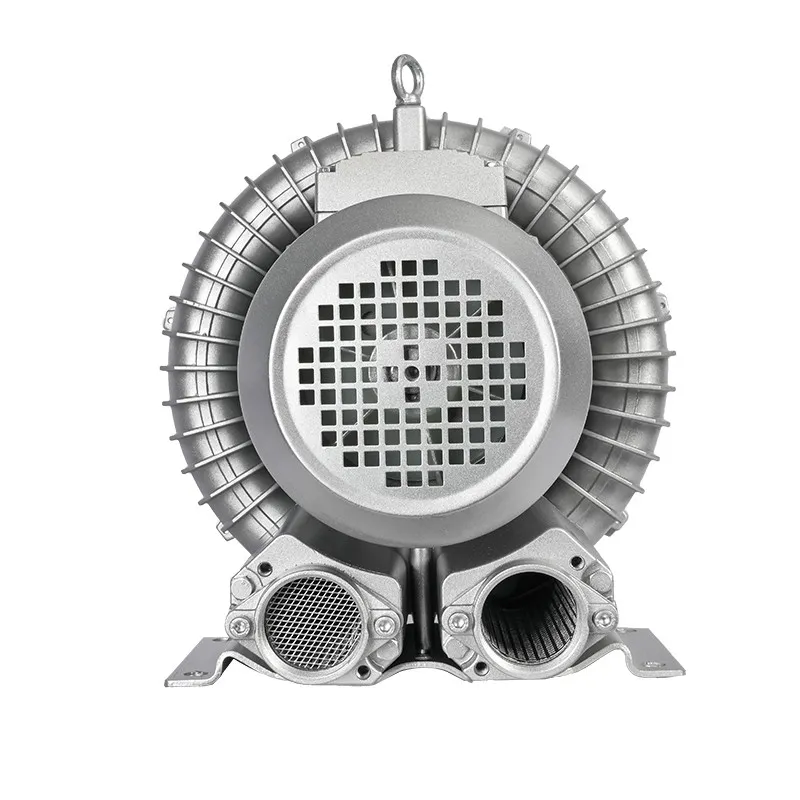

Our Products
As a supplier, we offer a range of high - quality pump turbine side channel blowers. One of our popular products is the Dedicated Drying System BlowerRBG810 5D5C. It's designed for efficient operation and comes with advanced monitoring capabilities to help you keep track of all the important parameters.
We also have a wide selection of Pump Turbine Side Channel Blower models to suit different applications. Whether you need a blower for a small - scale industrial process or a large - scale ventilation system, we've got you covered.
Contact Us for Procurement
If you're in the market for a pump turbine side channel blower or need to upgrade your existing system, we'd love to hear from you. Our team of experts can help you choose the right blower for your needs and provide you with all the support you need during the installation and operation.
Don't hesitate to reach out to us for a consultation. We're committed to providing you with the best products and services to ensure your operations run smoothly.
References
- "Handbook of Industrial Fans: Aerodynamics, Design, and Application"
- "Centrifugal Pumps: Design and Application"
- Manufacturer's manuals for pump turbine side channel blowers.