

How to prevent cavitation in an rbt double stage side channel blower?
Cavitation is a common and troublesome issue in the operation of RBT double stage side channel blowers. As a reliable supplier of RBT double stage side channel blowers, I understand the negative impacts of cavitation on the performance and lifespan of these blowers. In this blog, I will share some effective methods to prevent cavitation in an RBT double stage side channel blower.
Understanding Cavitation in RBT Double Stage Side Channel Blowers
Before delving into prevention methods, it's crucial to understand what cavitation is and how it occurs in RBT double stage side channel blowers. Cavitation happens when the local pressure in the fluid being handled by the blower drops below the vapor pressure of the liquid. This causes the formation of vapor bubbles. When these bubbles move to a region of higher pressure, they collapse suddenly. The collapse of these bubbles generates high - energy shockwaves that can damage the blower's impeller, casing, and other internal components over time.
The consequences of cavitation in an RBT double stage side channel blower are significant. It can lead to reduced blower efficiency, increased noise and vibration levels, and ultimately, a shorter service life of the blower. Therefore, preventing cavitation is of utmost importance for maintaining the optimal performance of the blower.
Proper System Design
One of the fundamental steps in preventing cavitation is proper system design. When designing the system where the RBT double stage side channel blower will be installed, several factors need to be considered.
Inlet Conditions
The inlet conditions of the blower play a crucial role in preventing cavitation. The fluid entering the blower should have a sufficient pressure to avoid the formation of vapor bubbles. This means that the suction line should be properly sized to minimize pressure losses. A smaller - diameter suction line can cause a significant pressure drop, increasing the risk of cavitation. Additionally, the suction line should be free from any restrictions or blockages.
The elevation of the blower in relation to the fluid source also matters. If the blower is installed too high above the fluid level, the static pressure at the inlet may be insufficient, leading to cavitation. It's essential to calculate the net positive suction head available (NPSHa) accurately. NPSHa is the absolute pressure at the suction port of the blower minus the vapor pressure of the fluid. A higher NPSHa reduces the likelihood of cavitation.
Outlet Conditions
The outlet side of the blower also needs careful consideration. The discharge line should be sized appropriately to ensure that the blower can discharge the fluid smoothly. A too - small discharge line can cause backpressure, which may disrupt the normal flow pattern inside the blower and increase the risk of cavitation.
Fluid Properties
The properties of the fluid being handled by the RBT double stage side channel blower can have a significant impact on cavitation.
Viscosity
High - viscosity fluids can increase the resistance to flow, leading to higher pressure drops within the blower. This can potentially lower the pressure to a level where cavitation occurs. If the fluid has a high viscosity, it may be necessary to select a blower with a higher power rating or to pre - heat the fluid to reduce its viscosity.
Temperature
The temperature of the fluid affects its vapor pressure. As the temperature increases, the vapor pressure of the fluid rises. This means that at higher temperatures, the risk of cavitation is greater. It's important to monitor and control the fluid temperature within an acceptable range. If necessary, cooling systems can be installed to keep the fluid temperature down.
Purity
Contaminants in the fluid can also contribute to cavitation. Solid particles or air bubbles in the fluid can act as nucleation sites for vapor bubble formation. Therefore, it's essential to ensure that the fluid is as pure as possible. Filters can be installed in the suction line to remove solid particles, and degassing devices can be used to remove air bubbles.
Blower Selection
Choosing the right RBT double stage side channel blower for the specific application is crucial in preventing cavitation.
Capacity
The blower's capacity should be carefully matched to the system requirements. An undersized blower may operate at a high - flow rate, which can cause low pressure at the inlet and increase the risk of cavitation. On the other hand, an oversized blower may operate at a low - flow rate, leading to unstable flow patterns and potential cavitation.
Design Features
Some blowers are designed with features that help prevent cavitation. For example, blowers with a well - designed impeller shape can promote smooth fluid flow and reduce the likelihood of pressure drops. Additionally, blowers with a larger inlet area can provide a higher NPSHa. When selecting a blower, it's important to consider these design features.
Maintenance and Monitoring
Regular maintenance and monitoring are essential for preventing cavitation in an RBT double stage side channel blower.
Inspection
Periodic inspections of the blower and the entire system are necessary. Check the suction and discharge lines for any signs of blockages, leaks, or damage. Inspect the impeller and other internal components for signs of cavitation damage, such as pitting or erosion. If any damage is detected, it should be repaired or replaced promptly.
Monitoring
Install monitoring devices to keep track of the blower's operating parameters. Pressure sensors can be used to monitor the inlet and outlet pressures, and flow meters can be used to measure the flow rate. By continuously monitoring these parameters, any deviations from the normal operating conditions can be detected early, allowing for timely corrective actions.
Real - World Examples
Let's take a look at two of our popular products and how proper cavitation prevention measures can be applied. The Dedicated Drying System BlowerRBG810 5D5C is often used in drying systems. In such applications, the fluid (usually air) may have a relatively high temperature. By ensuring proper ventilation and temperature control in the system, we can reduce the risk of cavitation.
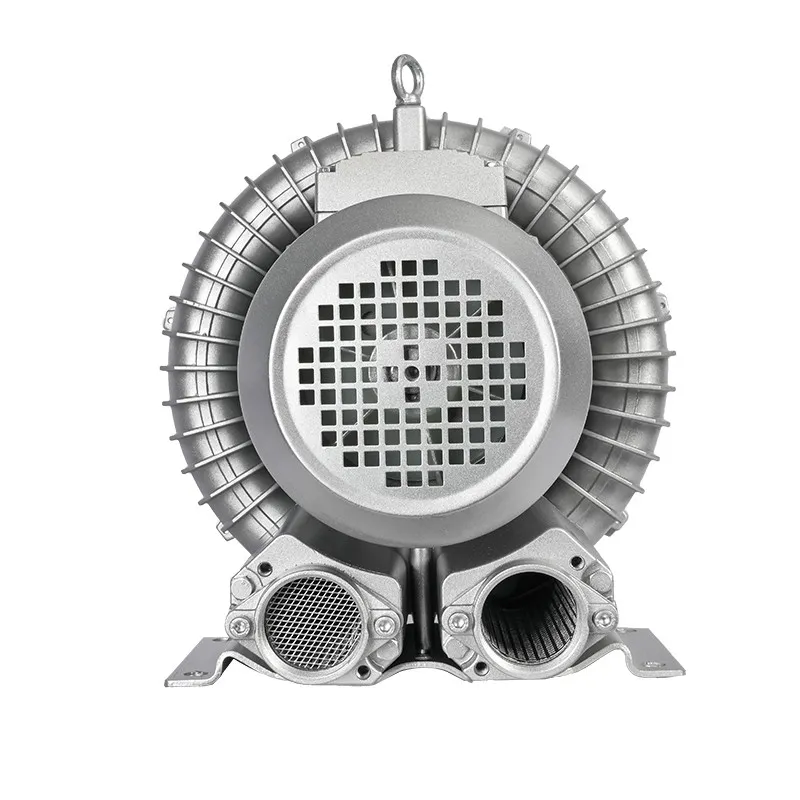

The Pump Turbine Side Channel Blower is commonly used in pump - turbine systems. In these systems, proper system design, including accurate NPSHa calculation and appropriate pipe sizing, is crucial for preventing cavitation.
Conclusion
Preventing cavitation in an RBT double stage side channel blower requires a comprehensive approach that includes proper system design, consideration of fluid properties, correct blower selection, and regular maintenance and monitoring. By implementing these measures, you can ensure the reliable and efficient operation of your blower, extend its service life, and reduce maintenance costs.
If you are interested in purchasing our RBT double stage side channel blowers or need more information on cavitation prevention, please feel free to contact us for procurement discussions. We are committed to providing you with the best solutions for your specific needs.
References
- "Fluid Mechanics" by Frank M. White
- "Centrifugal Pumps: Design and Application" by Heinz P. Bloch and Fred K. Geitner