

What is the service life of an aluminum alloy air knife air blade?
The service life of an aluminum alloy air knife air blade is a critical consideration for industries relying on these components for efficient drying, cleaning, or blow-off operations. As a supplier of high - quality aluminum alloy air knife air blades, I understand the importance of providing clear information about their durability and performance over time.
Factors Affecting the Service Life of Aluminum Alloy Air Knife Air Blades
Material Quality
The quality of the aluminum alloy used in the manufacturing process is the foundation of the air knife's service life. High - grade aluminum alloys are selected for their excellent corrosion resistance, strength, and light - weight properties. These alloys are often treated with special coatings or anodizing processes to further enhance their durability. For example, a well - anodized aluminum alloy air knife can resist oxidation and chemical corrosion, which is especially important in harsh industrial environments. When exposed to moisture, chemicals, or abrasive particles, a high - quality alloy will maintain its structural integrity for a longer period compared to a lower - grade material.
Operating Conditions
The environment in which the air knife operates has a significant impact on its service life. In a clean, dry environment with normal operating temperatures, an aluminum alloy air knife can last for many years. However, in industrial settings where there are high levels of dust, humidity, or corrosive substances, the lifespan may be reduced. For instance, in a food processing plant where there is constant exposure to water and cleaning agents, the air knife needs to be made of a corrosion - resistant alloy and may require more frequent maintenance. Similarly, in a foundry or a mining operation, where there are high levels of dust and abrasive particles, the air knife may experience more wear and tear on its surfaces.
Air Quality
The quality of the compressed air supplied to the air knife also affects its service life. If the compressed air contains moisture, oil, or debris, it can cause internal corrosion and blockages within the air knife. Moisture can lead to rusting of internal components, while oil can leave residues that reduce the efficiency of the air flow. Debris can cause abrasion and damage to the air outlet, affecting the uniformity of the air blade. To ensure a long service life, it is recommended to use proper air filtration systems to remove these contaminants from the compressed air before it enters the air knife.
Installation and Maintenance
Proper installation and regular maintenance are essential for maximizing the service life of an aluminum alloy air knife air blade. Incorrect installation, such as improper alignment or over - tightening of bolts, can cause stress on the air knife and lead to premature failure. Regular maintenance, including cleaning, inspection for wear and tear, and lubrication of moving parts (if applicable), can significantly extend the lifespan of the air knife. For example, checking for any signs of corrosion or damage to the air outlet and replacing worn - out parts in a timely manner can prevent more serious problems from occurring.
Typical Service Life Expectations
Under normal operating conditions, an aluminum alloy air knife air blade can have a service life of 5 to 10 years. This estimate is based on the use of high - quality materials, proper installation, and regular maintenance. In some cases, with extremely favorable conditions and excellent care, the air knife may last even longer.
However, it's important to note that this is just a general guideline. In harsh industrial environments, the service life may be reduced to 2 to 5 years. For example, in a chemical processing plant where there are highly corrosive substances, the air knife may need to be replaced every 2 - 3 years. On the other hand, in a relatively clean electronics manufacturing facility, the air knife can potentially last the full 10 - year mark or more.

Maintenance and Extending Service Life
Regular Cleaning
Regular cleaning of the air knife is crucial to remove any dirt, dust, or debris that may accumulate on its surfaces. This can be done using a soft brush or a compressed air blow - off to clean the air inlet and outlet. For more stubborn contaminants, a mild detergent solution can be used, followed by a thorough rinse with clean water. After cleaning, the air knife should be dried completely to prevent corrosion.
Inspection
Periodic inspections should be carried out to check for any signs of wear, damage, or corrosion. This includes examining the air outlet for any signs of deformation or blockage, checking the seals for leaks, and inspecting the body of the air knife for any cracks or corrosion. If any issues are detected, they should be addressed immediately to prevent further damage.
Lubrication (if applicable)
Some air knife models may have moving parts that require lubrication. In such cases, it is important to use the recommended lubricant and follow the manufacturer's guidelines for lubrication intervals. Proper lubrication reduces friction and wear on moving parts, ensuring smooth operation and extending the service life of the air knife.
Our Product Offerings
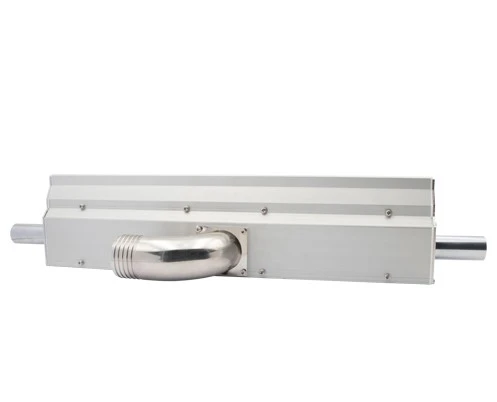
As a supplier of aluminum alloy air knife air blades, we offer a wide range of products to meet the diverse needs of different industries. Our Aluminum Alloy Air Knife Air Blade is made of high - quality aluminum alloy, which provides excellent corrosion resistance and durability. We also offer the SA stainless Steel Air Knife Drying system, which combines the benefits of stainless steel and aluminum alloy for enhanced performance in harsh environments. Additionally, our Industrial Film Drying Air Knife with Regenerative Blower is designed specifically for film drying applications, providing a uniform and powerful air blade.
Contact for Purchase and Consultation
If you are interested in learning more about our aluminum alloy air knife air blades or have any questions regarding their service life, installation, or maintenance, we encourage you to contact us. Our team of experts is ready to provide you with detailed information and assist you in selecting the right product for your specific needs. Whether you are looking for a solution for a small - scale operation or a large - scale industrial application, we can offer you high - quality products and reliable support.
References
- ASM Handbook Committee. (2001). ASM Handbook Volume 2: Properties and Selection: Nonferrous Alloys and Special - Purpose Materials. ASM International.
- Compressed Air and Gas Institute. (2019). Compressed Air Systems Handbook. Compressed Air and Gas Institute.
- Perry, R. H., & Green, D. W. (1997). Perry's Chemical Engineers' Handbook. McGraw - Hill.