

What is the maximum operating temperature of an ea aluminium alloy standard air knife?
Hey there! As a supplier of EA aluminium alloy standard air knives, I often get asked about the maximum operating temperature of these nifty tools. So, let's dive right in and chat about it.
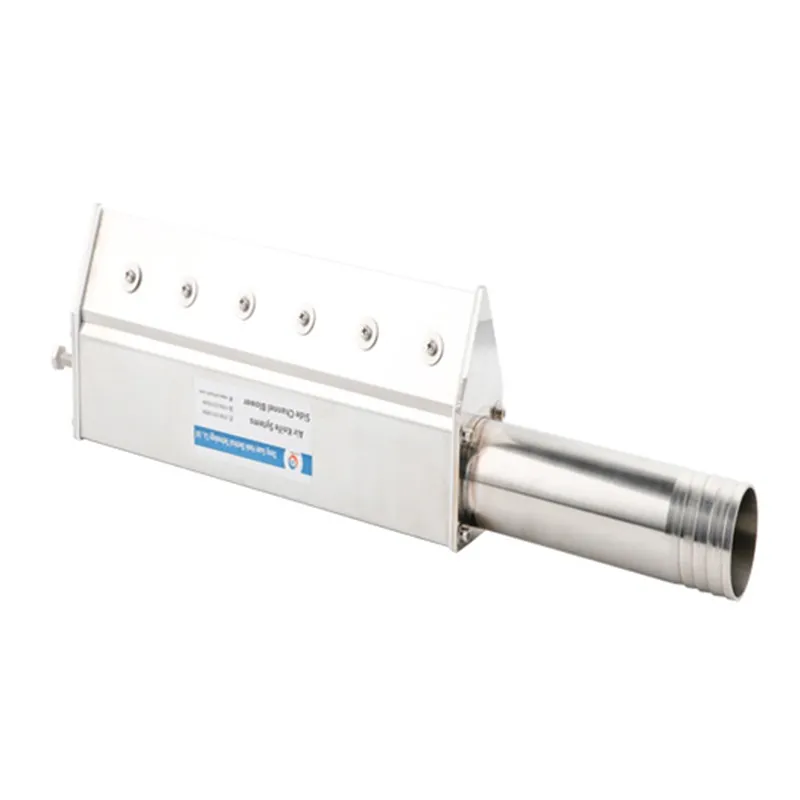
First off, the EA aluminium alloy standard air knife is a great piece of equipment that's used in a whole bunch of industries. Whether it's for drying, cleaning, or even cooling, this air knife gets the job done. But like any piece of machinery, it has its limits, especially when it comes to temperature.
The maximum operating temperature of an EA aluminium alloy standard air knife typically depends on a few factors. One of the main factors is the type of aluminium alloy used. Different alloys have different properties, and some can withstand higher temperatures than others. In general, most EA aluminium alloy air knives can handle temperatures up to around 200°C (392°F).
Now, why is this temperature limit important? Well, if you try to operate the air knife at a temperature higher than its maximum rating, you could run into some serious problems. For starters, the aluminium alloy could start to soften or even melt, which would obviously damage the air knife. This could lead to leaks, reduced performance, and even safety hazards.
Another thing to consider is the effect of high temperatures on the seals and gaskets in the air knife. These components are usually made of rubber or other elastomeric materials, which can degrade over time when exposed to high temperatures. This can cause the seals to lose their effectiveness, leading to air leaks and a decrease in the overall efficiency of the air knife.
But don't worry! There are ways to work around these temperature limitations. If you need to use the air knife in an environment with high temperatures, you can consider using a different type of air knife, such as the SA stainless Steel Air Knife Drying system. Stainless steel is known for its high heat resistance, so it can handle much higher temperatures than aluminium alloy.
If you still prefer to use the EA aluminium alloy air knife, you can take some precautions to keep the temperature under control. For example, you can use a heat exchanger to cool the compressed air before it enters the air knife. This will help to reduce the temperature of the air flowing through the knife, making it safer to operate at higher temperatures.
You can also make sure that the air knife is properly ventilated. Good ventilation will help to dissipate the heat generated by the air knife, preventing it from overheating. This can be as simple as making sure that there is enough space around the air knife for air to circulate.
Now, let's talk about some of the applications where the maximum operating temperature of the EA aluminium alloy air knife might come into play. One common application is in the food and beverage industry. In this industry, air knives are often used to dry products after they have been washed or rinsed. However, the drying process can generate a lot of heat, especially if the products are being dried at high speeds. In this case, it's important to make sure that the air knife can handle the temperature generated during the drying process.
Another application is in the automotive industry. Air knives are used in this industry for a variety of purposes, such as cleaning and drying car parts. Some of these processes can involve high temperatures, especially if the parts are being painted or coated. Again, it's crucial to choose an air knife that can withstand the temperatures involved in these processes.
If you're in the market for an air knife, you might also be interested in checking out the Aluminum Alloy Air Knife Air Blade. This is another great option that offers similar performance to the EA aluminium alloy standard air knife, but with its own unique features and benefits.
And for those of you in the industrial film drying industry, the Industrial Film Drying Air Knife with Regenerative Blower might be just what you need. This air knife is specifically designed for drying industrial films, and it can handle the high temperatures and high speeds required for this application.
In conclusion, the maximum operating temperature of an EA aluminium alloy standard air knife is an important factor to consider when choosing an air knife for your application. While most EA aluminium alloy air knives can handle temperatures up to around 200°C (392°F), there are ways to work around this limitation if you need to operate at higher temperatures. By taking the right precautions and choosing the right air knife for your needs, you can ensure that your air knife performs at its best and lasts for a long time.
If you're interested in learning more about our EA aluminium alloy standard air knives or any of our other products, feel free to reach out. We're always happy to chat and help you find the right solution for your business. Let's have a talk and see how we can work together to meet your air knife needs.

References:
- Industry standards and specifications for aluminium alloys
- Technical documentation from air knife manufacturers