

What is the dimensional accuracy of an ea aluminium alloy standard air knife?
What is the dimensional accuracy of an ea aluminium alloy standard air knife?
As a supplier of ea aluminium alloy standard air knives, I often get asked about the dimensional accuracy of these products. Dimensional accuracy is a critical factor in the performance and functionality of air knives, and understanding it is essential for both manufacturers and end - users.
Understanding Dimensional Accuracy
Dimensional accuracy refers to the degree to which the actual dimensions of a manufactured part match its design specifications. In the context of an ea aluminium alloy standard air knife, this includes the length, width, height, and the size of the air outlet gap. Even a small deviation from the specified dimensions can have a significant impact on the air knife's performance.
For example, the width of the air outlet gap determines the velocity and pressure of the air stream. If the gap is wider than specified, the air velocity may be lower than expected, reducing the efficiency of drying or cleaning applications. On the other hand, if the gap is too narrow, it can cause excessive pressure, leading to higher energy consumption and potential damage to the air knife or the materials being processed.
Manufacturing Processes and Dimensional Accuracy
The manufacturing process of ea aluminium alloy standard air knives plays a crucial role in achieving high dimensional accuracy. We use advanced machining techniques such as CNC (Computer Numerical Control) milling and turning. CNC machines are programmed with precise design specifications, allowing for highly accurate and repeatable production.
During the machining process, strict quality control measures are implemented. This includes in - process inspections using precision measuring tools such as calipers, micrometers, and coordinate measuring machines (CMMs). CMMs are particularly useful as they can measure the three - dimensional coordinates of points on the surface of the air knife, providing detailed information about its dimensional accuracy.
Another important aspect of manufacturing is the choice of materials. Aluminium alloys are known for their good machinability, which means they can be easily shaped and finished to the required dimensions. Additionally, these alloys have relatively low thermal expansion coefficients, which helps to maintain dimensional stability during operation, especially in applications where the air knife may be exposed to varying temperatures.
Tolerances in Dimensional Accuracy
In any manufacturing process, it is impossible to achieve exact dimensions all the time. Therefore, tolerances are defined. Tolerances represent the allowable deviation from the specified dimensions. For ea aluminium alloy standard air knives, typical tolerances for length and width are usually in the range of ±0.1 mm to ±0.5 mm, depending on the size and complexity of the air knife.
For the air outlet gap, the tolerance is often even more critical. A typical tolerance for the gap width might be ±0.05 mm. This tight tolerance ensures that the air knife can deliver a consistent and uniform air stream, which is essential for optimal performance.
Impact of Dimensional Accuracy on Performance
The dimensional accuracy of an ea aluminium alloy standard air knife directly affects its performance in various applications.
In drying applications, such as in the SA stainless Steel Air Knife Drying system, a precise air outlet gap is necessary to generate a high - velocity air stream that can quickly remove moisture from the surface of the product. If the gap is not accurate, the drying efficiency will be reduced, leading to longer drying times and potentially higher energy costs.
In cleaning applications, a uniform air stream is required to blow away dust and debris effectively. An air knife with poor dimensional accuracy may produce an uneven air stream, leaving some areas uncleaned.
In the Industrial Film Drying Air Knife with Regenerative Blower, the dimensional accuracy of the air knife is crucial for ensuring that the film is dried evenly without causing any damage. Any variation in the air stream can lead to uneven drying, which may result in wrinkles or other defects in the film.
Maintaining Dimensional Accuracy
To maintain the dimensional accuracy of ea aluminium alloy standard air knives over time, proper installation and maintenance are required.
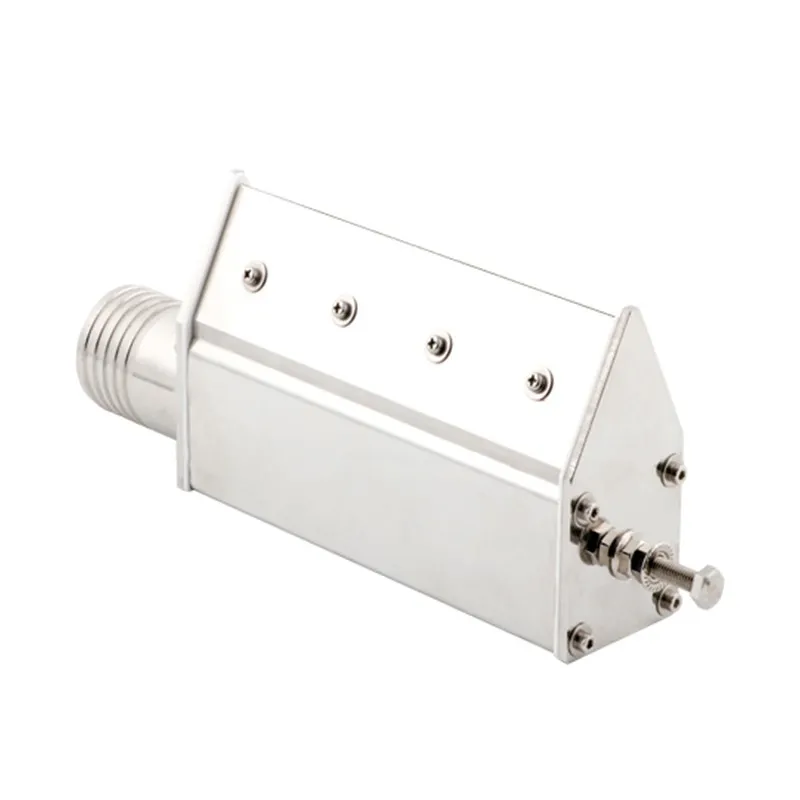
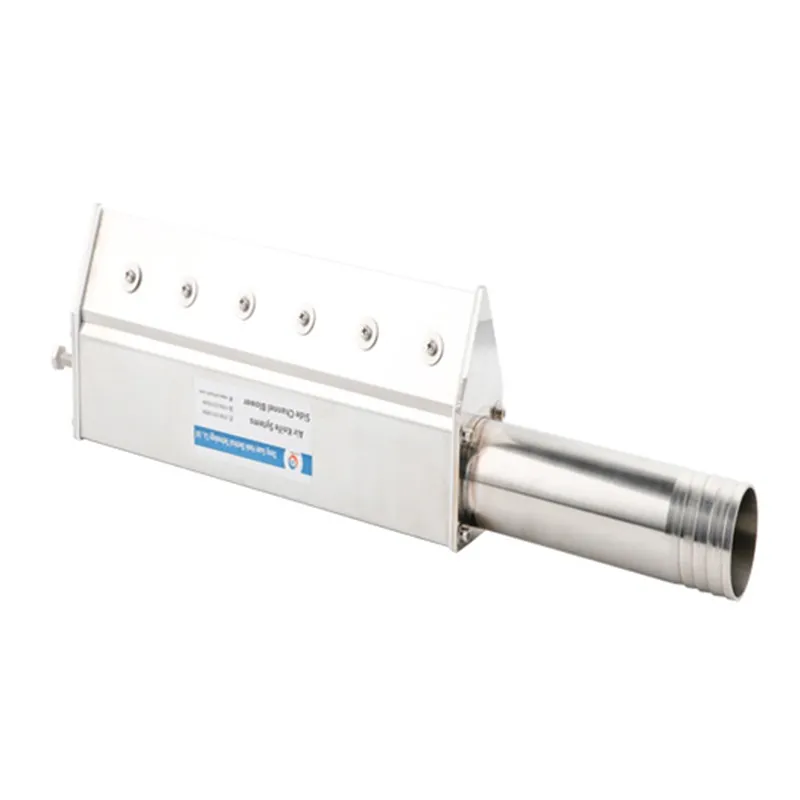
During installation, it is important to ensure that the air knife is mounted correctly and securely. Any misalignment can cause stress on the air knife, potentially leading to deformation and a change in dimensions.
Regular maintenance includes cleaning the air knife to prevent the build - up of dirt and debris, which can affect the performance and potentially damage the air knife. Additionally, periodic inspections should be carried out to check for any signs of wear or damage that may affect the dimensional accuracy.
Conclusion and Call to Action
In conclusion, the dimensional accuracy of an ea aluminium alloy standard air knife is a critical factor that directly impacts its performance and functionality. Through advanced manufacturing processes, strict quality control, and proper installation and maintenance, we are able to provide air knives with high dimensional accuracy.
If you are in the market for high - quality ea aluminium alloy standard air knives, we invite you to contact us for more information and to discuss your specific requirements. Our team of experts is ready to assist you in finding the right air knife solution for your application. Whether you need a standard air knife or a custom - designed one, we have the expertise and resources to meet your needs.
We also offer a wide range of related products, such as the SA stainless Steel Air Knife Drying system, the Industrial Film Drying Air Knife with Regenerative Blower, and the Aluminum Alloy Air Knife Air Blade. Contact us today to start the procurement and negotiation process.
References
- Smith, J. (2018). Precision Manufacturing of Aluminium Components. Manufacturing Journal, 25(3), 123 - 135.
- Brown, A. (2019). Air Knife Technology and Applications. Industrial Equipment Review, 32(2), 45 - 56.
- Johnson, R. (2020). Quality Control in Metal Machining. Machining Today, 40(4), 78 - 89.