

What is the air consumption of an aluminum alloy air knife air blade?
What is the air consumption of an aluminum alloy air knife air blade?
As a leading supplier of aluminum alloy air knife air blades, I often receive inquiries about the air consumption of these essential industrial tools. Understanding air consumption is crucial for optimizing the performance and efficiency of air knife systems, as it directly impacts energy costs and overall operational effectiveness. In this blog post, I will delve into the factors that influence the air consumption of aluminum alloy air knife air blades and provide insights to help you make informed decisions for your industrial applications.
Factors Affecting Air Consumption
The air consumption of an aluminum alloy air knife air blade is influenced by several key factors, each of which plays a significant role in determining the overall efficiency of the system. These factors include:
- Air Knife Design: The design of the air knife, including its shape, size, and internal structure, can have a substantial impact on air consumption. Well-designed air knives are engineered to minimize turbulence and maximize the efficiency of air delivery, resulting in lower air consumption and higher performance. For example, air knives with streamlined profiles and optimized air outlets can reduce air resistance and improve the uniformity of the air blade, leading to more efficient operation.
- Air Pressure: The air pressure supplied to the air knife is another critical factor affecting air consumption. Higher air pressures generally result in increased air flow rates and, consequently, higher air consumption. However, it is important to note that increasing the air pressure beyond the recommended operating range may not necessarily improve the performance of the air knife and can lead to excessive energy consumption and increased wear on the system components. Therefore, it is essential to select an air knife that is designed to operate at the appropriate air pressure for your specific application.
- Air Flow Rate: The air flow rate, or the volume of air passing through the air knife per unit of time, is directly related to air consumption. The air flow rate is determined by the air pressure, the size of the air knife, and the design of the air outlet. In general, larger air knives and higher air pressures will result in higher air flow rates and increased air consumption. However, it is possible to optimize the air flow rate by adjusting the air pressure and the size of the air knife to meet the specific requirements of your application.
- Operating Conditions: The operating conditions, such as the temperature, humidity, and altitude, can also affect the air consumption of an aluminum alloy air knife air blade. For example, in high-temperature environments, the air density may be lower, which can result in increased air flow rates and higher air consumption. Similarly, in high-humidity environments, the presence of moisture in the air can increase the resistance to air flow and reduce the efficiency of the air knife, leading to higher air consumption. Therefore, it is important to consider the operating conditions when selecting an air knife and to make any necessary adjustments to ensure optimal performance.
Calculating Air Consumption
To calculate the air consumption of an aluminum alloy air knife air blade, you will need to know the air flow rate and the air pressure. The air flow rate can be measured using a flow meter, while the air pressure can be measured using a pressure gauge. Once you have these values, you can use the following formula to calculate the air consumption:
Air Consumption (CFM) = Air Flow Rate (CFM) x Operating Time (minutes)
For example, if the air flow rate of your air knife is 100 CFM and the operating time is 60 minutes, the air consumption would be:
Air Consumption (CFM) = 100 CFM x 60 minutes = 6,000 CFM
It is important to note that this formula provides an estimate of the air consumption and may not be accurate in all cases. The actual air consumption may vary depending on the specific operating conditions, the design of the air knife, and other factors. Therefore, it is recommended to consult with a qualified engineer or air knife manufacturer to obtain a more accurate estimate of the air consumption for your specific application.
Optimizing Air Consumption
To optimize the air consumption of an aluminum alloy air knife air blade, it is important to consider the following tips:
- Select the Right Air Knife: Choosing the right air knife for your application is crucial for minimizing air consumption. Consider the size, shape, and design of the air knife, as well as the air pressure and flow rate requirements. Select an air knife that is designed to operate at the appropriate air pressure and flow rate for your specific application to ensure optimal performance and efficiency.
- Adjust the Air Pressure: Adjusting the air pressure to the recommended operating range can significantly reduce air consumption. Avoid operating the air knife at higher air pressures than necessary, as this can lead to excessive energy consumption and increased wear on the system components. Use a pressure regulator to maintain a consistent air pressure and ensure optimal performance.
- Maintain the Air Knife: Regular maintenance of the air knife is essential for ensuring optimal performance and minimizing air consumption. Clean the air knife periodically to remove any dirt, debris, or contaminants that may accumulate on the air outlets or inside the air knife. Inspect the air knife for any signs of damage or wear and replace any worn or damaged components as needed.
- Use a Regenerative Blower: A regenerative blower is a type of blower that is designed to provide high-pressure air with low energy consumption. Using a regenerative blower in conjunction with an aluminum alloy air knife air blade can significantly reduce air consumption and energy costs. Consider using a regenerative blower for your air knife system to improve efficiency and reduce operating costs.
Conclusion
In conclusion, the air consumption of an aluminum alloy air knife air blade is influenced by several key factors, including the air knife design, air pressure, air flow rate, and operating conditions. By understanding these factors and taking steps to optimize the air consumption of your air knife system, you can reduce energy costs, improve performance, and extend the lifespan of your equipment.
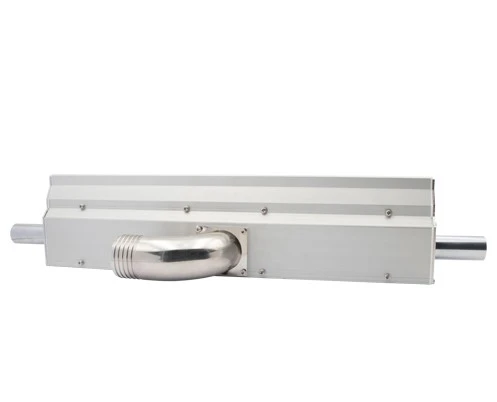
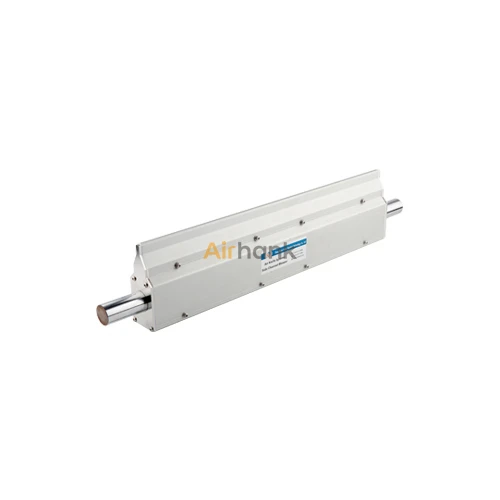
If you are interested in learning more about our Aluminum Alloy Air Knife Air Blade products or need assistance in selecting the right air knife for your application, please do not hesitate to contact us. Our team of experts is available to provide you with personalized advice and support to help you make the best decision for your business. We also offer a wide range of Industrial Film Drying Air Knife with Regenerative Blower and SA stainless Steel Air Knife Drying system options to meet your specific needs.
References
- ASHRAE Handbook - Fundamentals. American Society of Heating, Refrigerating and Air-Conditioning Engineers, Inc.
- Fluid Mechanics: An Introduction to the Theory of Fluid Flows. Donald F. Young, Bruce R. Munson, Theodore H. Okiishi, Wade W. Huebsch.
- Industrial Ventilation: A Manual of Recommended Practice. American Conference of Governmental Industrial Hygienists.