

What is the air compressor's air intake filter maintenance for a pneumatic air knife?
As a supplier of air compressor pneumatic air knives, I understand the critical role that proper maintenance plays in the performance and longevity of these systems. One of the most important aspects of maintenance for a pneumatic air knife is the upkeep of the air compressor's air intake filter. In this blog post, I will delve into the significance of air intake filter maintenance, the steps involved, and how it directly impacts the efficiency of your Air Compressor Pneumatic Air Knife.
The Importance of Air Intake Filter Maintenance
The air intake filter in an air compressor serves as the first line of defense against contaminants. When an air compressor operates, it draws in large volumes of air from the surrounding environment. This air can contain various impurities such as dust, dirt, pollen, and even small particles of debris. If these contaminants are not filtered out, they can cause significant damage to the air compressor and the pneumatic air knife system.
For instance, dust and dirt particles can accumulate on the internal components of the air compressor, leading to increased friction and wear. This can result in reduced efficiency, higher energy consumption, and ultimately, premature failure of the compressor. In the case of a pneumatic air knife, contaminated air can also affect the quality of the air stream, leading to uneven drying or cleaning performance.
Moreover, a clogged air intake filter restricts the flow of air into the compressor. This forces the compressor to work harder to draw in the required amount of air, putting additional stress on the motor and other components. As a result, the compressor may overheat, which can cause further damage and potentially lead to a breakdown.
Signs That Your Air Intake Filter Needs Maintenance
It is essential to be aware of the signs that indicate your air intake filter needs maintenance. Some common signs include:
- Reduced Airflow: If you notice a decrease in the airflow from your pneumatic air knife, it could be a sign that the air intake filter is clogged. A restricted filter restricts the amount of air that can enter the compressor, resulting in reduced output.
- Increased Energy Consumption: As mentioned earlier, a clogged filter forces the compressor to work harder, which leads to higher energy consumption. If you notice a sudden increase in your energy bills, it could be due to a dirty air intake filter.
- Unusual Noises: A clogged filter can cause the compressor to make unusual noises, such as rattling or grinding sounds. These noises indicate that the compressor is under stress and may be on the verge of failure.
- Visible Dirt or Debris: If you can see dirt or debris on the surface of the air intake filter, it is a clear sign that it needs to be cleaned or replaced.
Steps for Air Intake Filter Maintenance
The frequency of air intake filter maintenance depends on several factors, such as the operating environment, the type of compressor, and the usage patterns. In general, it is recommended to inspect the air intake filter regularly and clean or replace it as needed. Here are the steps for maintaining your air intake filter:
Step 1: Turn Off the Compressor
Before performing any maintenance on the air intake filter, make sure to turn off the compressor and unplug it from the power source. This will prevent any accidental start-up and ensure your safety.
Step 2: Locate the Air Intake Filter
The air intake filter is usually located on the outside of the compressor. It may be covered by a protective housing or grille. Refer to the compressor's user manual to find the exact location of the filter.
Step 3: Remove the Filter
Once you have located the filter, carefully remove it from the compressor. Some filters may be held in place by clips or screws, while others may simply slide out. Be gentle when removing the filter to avoid damaging it.
Step 4: Inspect the Filter
Examine the filter for dirt, debris, and damage. If the filter is only slightly dirty, you may be able to clean it. However, if it is heavily clogged or damaged, it should be replaced.
Step 5: Clean or Replace the Filter
- Cleaning the Filter: If the filter is made of a washable material, you can clean it by gently rinsing it with water. Use a mild detergent if necessary, but make sure to rinse the filter thoroughly to remove all traces of the detergent. Allow the filter to dry completely before reinstalling it.
- Replacing the Filter: If the filter is not washable or is too dirty to clean, you will need to replace it with a new one. Make sure to use a filter that is compatible with your compressor. Refer to the compressor's user manual or consult with a professional if you are unsure which filter to use.
Step 6: Reinstall the Filter
Once the filter is clean or replaced, carefully reinstall it in the compressor. Make sure it is properly seated and secured in place.
Step 7: Restart the Compressor
After reinstalling the filter, plug in the compressor and turn it on. Check the airflow from the pneumatic air knife to ensure that it is normal.

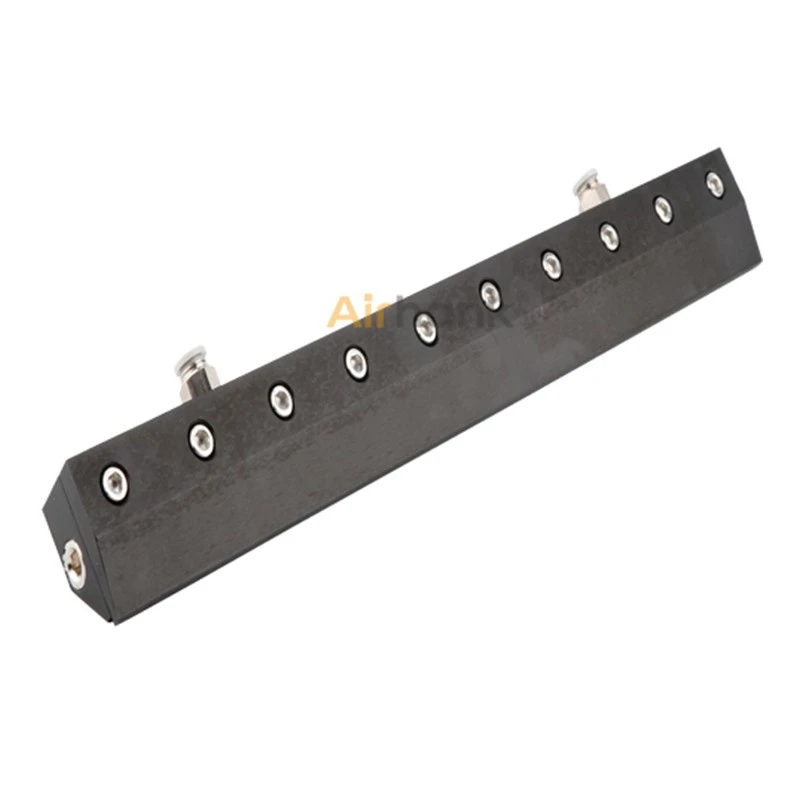
Impact of Proper Filter Maintenance on Pneumatic Air Knife Performance
Proper air intake filter maintenance has a direct impact on the performance of your pneumatic air knife. When the filter is clean and functioning properly, the compressor can draw in a sufficient amount of clean air, resulting in a consistent and high-quality air stream. This ensures that your pneumatic air knife can perform its drying or cleaning tasks effectively and efficiently.
For example, in a TA series air knife drying system, a clean air intake filter ensures that the air stream is free of contaminants, which is essential for achieving uniform drying results. Contaminated air can leave behind residue or streaks on the surface being dried, which can affect the quality of the finished product.
In addition, proper filter maintenance helps to extend the lifespan of your pneumatic air knife system. By reducing the wear and tear on the compressor and other components, you can avoid costly repairs and replacements, saving you time and money in the long run.
Conclusion
In conclusion, air intake filter maintenance is a crucial aspect of maintaining the performance and longevity of your air compressor and pneumatic air knife system. By regularly inspecting and cleaning or replacing the filter, you can ensure that your system operates efficiently, reduces energy consumption, and provides consistent results.
If you have any questions or need further assistance with air intake filter maintenance or any other aspect of your air compressor pneumatic air knife system, please do not hesitate to contact us. We are here to help you optimize the performance of your equipment and ensure that it meets your specific needs. Whether you are looking to purchase a new system or need support for your existing one, we are your trusted partner in the industry.
References
- Compressed Air and Gas Institute (CAGI). "Compressed Air Best Practices."
- Air Movement and Control Association International (AMCA). "Standards for Air Intake Filters."
- Manufacturer's user manuals for air compressors and pneumatic air knives.