

What are the heat - dissipation features of an aluminum alloy air knife air blade?
Heat dissipation is a crucial factor in the performance and longevity of industrial equipment. When it comes to aluminum alloy air knife air blades, understanding their heat - dissipation features is essential for users and potential buyers. As a supplier of aluminum alloy air knife air blades, I am well - versed in the unique heat - dissipation characteristics of these products.
1. Material Advantages of Aluminum Alloy for Heat Dissipation
Aluminum alloy is the primary material used in our air knife air blades. One of the most significant properties of aluminum alloy is its high thermal conductivity. Thermal conductivity is a measure of a material's ability to conduct heat. Aluminum alloy has a thermal conductivity that is significantly higher than many other common metals and alloys used in industrial applications.

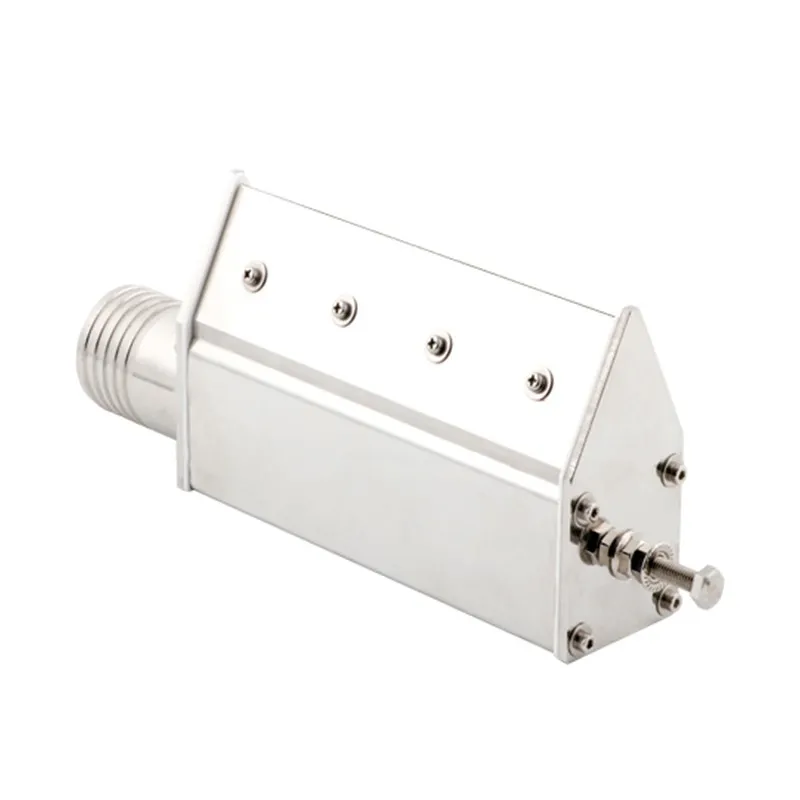
Compared to steel, for example, aluminum alloy can transfer heat much more efficiently. This means that when the air knife air blade is in operation and generating heat, the aluminum alloy can quickly conduct the heat away from the source of generation. For instance, if there is friction within the air knife due to the high - speed flow of air or if the motor powering the air movement is generating heat, the aluminum alloy structure can disperse this heat rapidly to the surrounding environment.
The molecular structure of aluminum alloy also plays a role in its heat - dissipation ability. The atoms in aluminum alloy are arranged in a way that allows for easy movement of heat - carrying electrons. This atomic arrangement facilitates the transfer of thermal energy through the material, enabling the air knife to maintain a relatively stable temperature during operation.
2. Design Features for Enhanced Heat Dissipation
In addition to the material properties, the design of our aluminum alloy air knife air blades is optimized for heat dissipation. The shape of the air knife is carefully engineered to maximize the surface area exposed to the surrounding air. A larger surface area provides more space for heat to be transferred from the air knife to the air.
Our air knives often feature fins or ridges on their outer surface. These fins increase the surface area significantly without adding excessive weight or bulk to the air knife. The fins act as heat sinks, drawing heat from the main body of the air knife and releasing it into the air. The air flowing over the fins helps to carry away the heat, enhancing the overall heat - dissipation process.
Another design aspect is the internal airflow path. The air knife is designed to ensure that the air flowing through it not only performs its primary function of blowing but also helps in heat dissipation. The high - speed air passing through the air knife can carry away some of the heat generated within the device. The internal channels are designed to minimize turbulence, which could otherwise impede the efficient flow of air and heat transfer.
3. Impact of Heat Dissipation on Performance
Efficient heat dissipation has a direct impact on the performance of the aluminum alloy air knife air blade. When the air knife can dissipate heat effectively, it can operate at a more stable temperature. This is important because excessive heat can cause several problems.
High temperatures can lead to thermal expansion of the components within the air knife. This expansion can change the dimensions of the air - flow channels, affecting the air pressure and flow rate. In extreme cases, it can even cause mechanical damage to the air knife, such as warping or cracking of the components. By maintaining a stable temperature through effective heat dissipation, the air knife can provide a consistent and reliable air flow, which is crucial for applications such as drying, cleaning, and coating.
Heat can also affect the electrical components of the air knife if it is powered by an electric motor. Overheating can reduce the efficiency of the motor, increase power consumption, and shorten the lifespan of the motor. Effective heat dissipation helps to keep the motor operating within its optimal temperature range, ensuring its long - term reliability and performance.
4. Applications Benefiting from Heat - Dissipation Features
The heat - dissipation features of our aluminum alloy air knife air blades make them suitable for a wide range of applications.
In the food and beverage industry, air knives are used for drying products after washing or rinsing. The ability to dissipate heat quickly is essential because the air knives often operate in a relatively warm and humid environment. The heat - dissipation features ensure that the air knife can maintain its performance without being affected by the surrounding conditions. For example, in a beverage bottling plant, the air knife can dry the bottles efficiently without overheating, which could potentially contaminate the products.
In the automotive industry, air knives are used for cleaning and drying car parts during the manufacturing process. The high - speed operation of the air knives generates heat, and the efficient heat - dissipation features of our aluminum alloy air knives allow them to work continuously without performance degradation. This is crucial for maintaining the quality and productivity of the manufacturing process.
5. Comparison with Other Materials and Products
When compared to air knives made from other materials such as plastic or stainless steel, our aluminum alloy air knife air blades have distinct heat - dissipation advantages. Plastic has a very low thermal conductivity, which means it is a poor conductor of heat. As a result, plastic air knives can easily overheat during operation, leading to deformation and reduced performance.
Stainless steel, while having better thermal conductivity than plastic, is still not as efficient as aluminum alloy. Stainless steel air knives may require additional cooling mechanisms or larger heat sinks to achieve the same level of heat dissipation as our aluminum alloy air knives. This can make stainless steel air knives more complex and expensive to manufacture and operate.
Our aluminum alloy air knife air blades also outperform some other products in terms of heat - dissipation design. Some competing air knives may not have the optimized fin design or internal airflow path that our products have. This gives our air knives an edge in maintaining a stable temperature and providing consistent performance.
6. Maintenance for Optimal Heat Dissipation
To ensure that the heat - dissipation features of our aluminum alloy air knife air blades continue to function effectively, proper maintenance is required. Regular cleaning of the air knife is essential. Dust, dirt, and debris can accumulate on the fins and internal channels, reducing the surface area available for heat transfer and impeding the airflow.
Inspecting the air knife for any signs of damage, such as bent fins or blocked channels, is also important. Damaged components can affect the heat - dissipation performance of the air knife. If any damage is found, it should be repaired or replaced promptly.
Lubricating the moving parts of the air knife, if applicable, can also help in reducing friction and heat generation. This, in turn, eases the burden on the heat - dissipation system.
Conclusion
The heat - dissipation features of our aluminum alloy air knife air blades are a result of the high - quality material and well - thought - out design. The high thermal conductivity of aluminum alloy, combined with the optimized design for increased surface area and efficient airflow, ensures that the air knife can operate at a stable temperature and provide consistent performance.
These heat - dissipation features make our air knives suitable for a wide range of industrial applications, from food and beverage to automotive manufacturing. By choosing our aluminum alloy air knife air blades, customers can benefit from a reliable and efficient solution for their drying, cleaning, and other air - blowing needs.
If you are interested in learning more about our Aluminum Alloy Air Knife Air Blade, you can visit our product page Aluminum Alloy Air Knife Air Blade. We also offer other related products such as the SA stainless Steel Air Knife Drying system and the Industrial Film Drying Air Knife with Regenerative Blower.
If you have any questions or are interested in purchasing our products, please feel free to contact us. Our team of experts is ready to assist you in finding the best solution for your specific requirements.
References
- "Thermal Properties of Metals and Alloys" - A textbook on materials science
- "Industrial Air Knife Applications and Design" - A technical guide on air knife technology
- "Heat Transfer in Industrial Equipment" - A research paper on heat - transfer principles in industrial settings