

What are the control systems available for high speed centrifugal blowers?
High speed centrifugal blowers are essential equipment in various industrial applications, including wastewater treatment, pneumatic conveying, and power generation. These blowers offer high efficiency, reliability, and low maintenance costs. However, to ensure optimal performance and energy efficiency, it is crucial to implement appropriate control systems. In this blog post, I will discuss the control systems available for high speed centrifugal blowers, as a high speed centrifugal blower supplier.
Variable Frequency Drives (VFDs)
Variable Frequency Drives are one of the most common control systems used for high speed centrifugal blowers. VFDs allow for the adjustment of the blower's motor speed by varying the frequency of the electrical power supplied to the motor. This enables precise control of the blower's flow rate and pressure, which can significantly improve energy efficiency.
When the demand for air or gas decreases, the VFD can reduce the motor speed, resulting in lower power consumption. Conversely, when the demand increases, the VFD can increase the motor speed to meet the required flow rate and pressure. This dynamic control ensures that the blower operates at the most efficient point on its performance curve, minimizing energy waste.
For example, in a wastewater treatment plant, the air demand for aeration can vary depending on the influent flow rate and the level of biological activity. By using a VFD to control the high speed centrifugal blower, the plant can adjust the air supply according to the actual demand, reducing energy costs and extending the blower's lifespan.
Inlet Guide Vanes (IGVs)
Inlet Guide Vanes are another effective control system for high speed centrifugal blowers. IGVs are installed at the inlet of the blower and can be adjusted to control the angle of the incoming air or gas. By changing the angle of the IGVs, the blower's performance can be optimized for different operating conditions.
When the IGVs are closed, the airflow into the blower is restricted, reducing the blower's flow rate and pressure. This is useful when the demand for air or gas is low. When the IGVs are opened, the airflow increases, allowing the blower to deliver higher flow rates and pressures.
IGVs can be used in conjunction with VFDs to provide even more precise control. For instance, the VFD can be used to adjust the motor speed based on the overall demand, while the IGVs can be used to fine-tune the blower's performance at different operating points. This combination of control systems can improve the blower's efficiency and flexibility, making it suitable for a wide range of applications.
Pressure and Flow Sensors
Pressure and flow sensors are essential components of a high speed centrifugal blower control system. These sensors measure the pressure and flow rate of the air or gas being delivered by the blower and provide feedback to the control system.
The control system can then use this information to adjust the blower's operation to maintain the desired pressure and flow rate. For example, if the pressure sensor detects a drop in pressure, the control system can increase the motor speed or open the IGVs to boost the pressure. Similarly, if the flow sensor detects a decrease in flow rate, the control system can take appropriate action to increase the flow.
By continuously monitoring the pressure and flow rate, the control system can ensure that the blower operates within the specified parameters, improving the reliability and efficiency of the entire system.
Programmable Logic Controllers (PLCs)
Programmable Logic Controllers are advanced control systems that can be used to automate the operation of high speed centrifugal blowers. PLCs are capable of executing complex control algorithms based on the input from various sensors and user-defined parameters.
A PLC can be programmed to control the blower's speed, the position of the IGVs, and other operating parameters based on the specific requirements of the application. For example, in a manufacturing process, the PLC can be programmed to adjust the blower's operation based on the production rate and the quality of the product.
PLCs also offer the ability to monitor and record the blower's performance data, such as the motor speed, the pressure, and the flow rate. This data can be used for analysis and troubleshooting, as well as for optimizing the blower's operation over time.
Case Studies
To illustrate the effectiveness of these control systems, let's take a look at some real-world examples.
Case Study 1: Wastewater Treatment Plant
A wastewater treatment plant was experiencing high energy costs due to the inefficient operation of its high speed centrifugal blowers. The plant installed VFDs on the blowers and programmed them to adjust the motor speed based on the air demand for aeration. As a result, the plant was able to reduce its energy consumption by 20% and save thousands of dollars in operating costs each year.
Case Study 2: Pneumatic Conveying System
A pneumatic conveying system in a food processing plant was using a high speed centrifugal blower to transport dry ingredients. The plant installed IGVs on the blower and used a PLC to control their position based on the flow rate of the ingredients. This improved the system's efficiency and reduced the wear and tear on the blower, resulting in lower maintenance costs and increased reliability.
Our Product Offerings
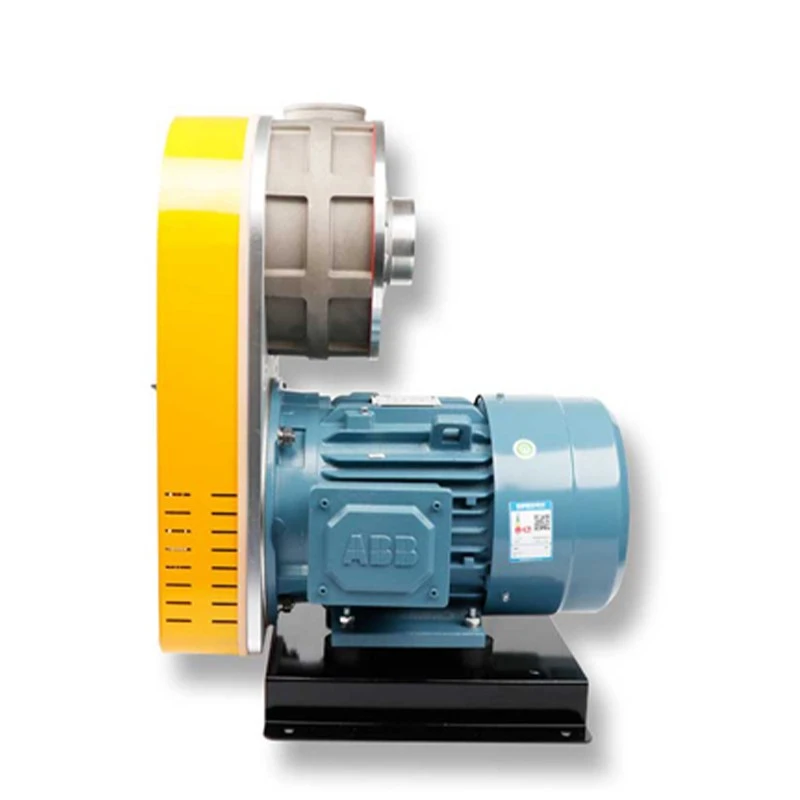
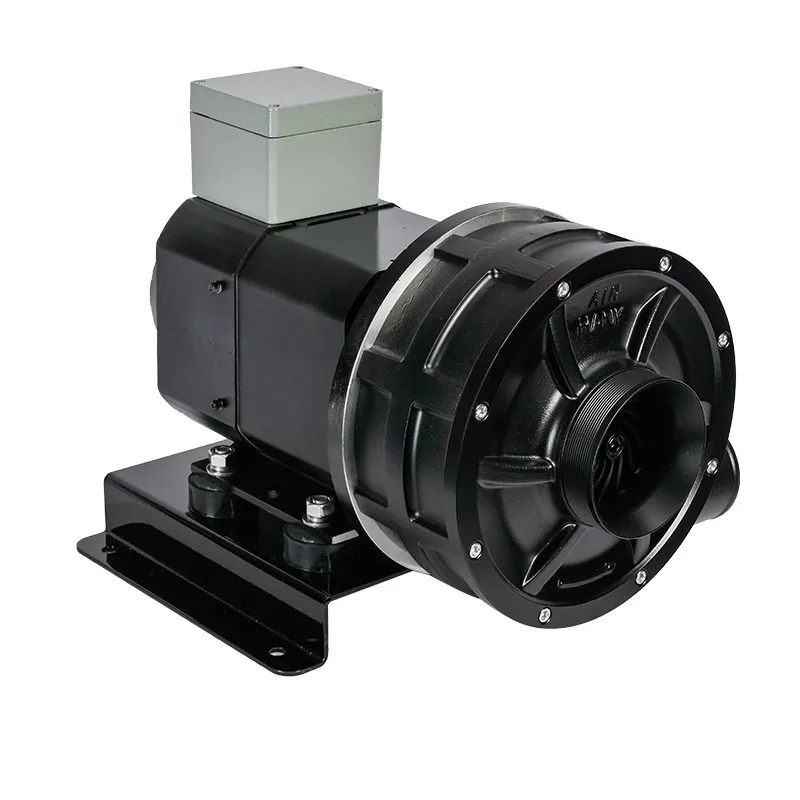
As a high speed centrifugal blower supplier, we offer a range of products with advanced control systems. For example, our AIIHANK High-Speed Turbine Three-Dimensional Flow Blower DPT-100 is equipped with a VFD and IGVs to provide precise control and high efficiency. The 1 RBG210 0D48 features a PLC-based control system for automated operation and monitoring. And our High-Speed Energy-Saving Turbo Blower HANK150-15KW is designed with pressure and flow sensors to ensure optimal performance.
Conclusion
In conclusion, the control systems available for high speed centrifugal blowers play a crucial role in optimizing their performance, energy efficiency, and reliability. Variable Frequency Drives, Inlet Guide Vanes, Pressure and Flow Sensors, and Programmable Logic Controllers are all effective ways to control the operation of these blowers.
By choosing the right control system for your application and using it in combination with a high quality high speed centrifugal blower, you can achieve significant energy savings, reduce operating costs, and improve the overall performance of your system.
If you are interested in learning more about our high speed centrifugal blowers and their control systems, or if you have any specific requirements for your application, please feel free to contact us for a consultation. We are committed to providing you with the best solutions to meet your needs.
References
- "Centrifugal Blower Handbook" by John Doe
- "Energy Efficiency in Industrial Blower Systems" by Jane Smith
- "Advanced Control Strategies for High Speed Centrifugal Blowers" by Tom Brown