

What are the common faults of an aluminum alloy air knife air blade and how to solve them?
As a supplier of aluminum alloy air knife air blades, I've encountered various common faults in these products over the years. Understanding these issues and their solutions is crucial for ensuring the efficient operation of the air knives and maintaining customer satisfaction. In this blog post, I'll delve into the typical problems faced with aluminum alloy air knife air blades and provide practical solutions to address them.
1. Uneven Airflow Distribution
One of the most prevalent issues with aluminum alloy air knife air blades is uneven airflow distribution. This problem can lead to inconsistent drying or cleaning performance, which is a significant concern in industrial applications. There are several factors that can contribute to uneven airflow:
Blockages
Over time, debris such as dust, dirt, or small particles can accumulate inside the air knife, blocking the air passages. This obstruction disrupts the smooth flow of air, causing uneven distribution. To solve this problem, regular maintenance is essential. You can use compressed air to blow out any debris from the air knife. For more stubborn blockages, disassembling the air knife and cleaning it with a suitable solvent can be effective. Make sure to follow the manufacturer's instructions when disassembling and cleaning to avoid damaging the air knife.
Improper Installation
Incorrect installation of the air knife can also result in uneven airflow. If the air knife is not mounted straight or if the connections are loose, air may leak or flow unevenly. When installing the air knife, ensure that it is properly aligned and securely fastened. Check all the connections to make sure they are tight and there are no air leaks. You can use a soap - water solution to check for leaks; if bubbles form at a connection point, it indicates a leak that needs to be fixed.
Design Flaws
In some cases, the design of the air knife itself may contribute to uneven airflow. For example, if the internal channels are not properly sized or shaped, air may not flow evenly through the entire length of the air knife. As a supplier, we are constantly working on improving the design of our Aluminum Alloy Air Knife Air Blade to ensure uniform airflow distribution. If you suspect a design issue, you can contact us, and we can provide advice on whether a different model or a modification to the existing air knife is needed.
2. Noise and Vibration
Excessive noise and vibration from an aluminum alloy air knife air blade can be a nuisance in the workplace and may also indicate underlying problems.
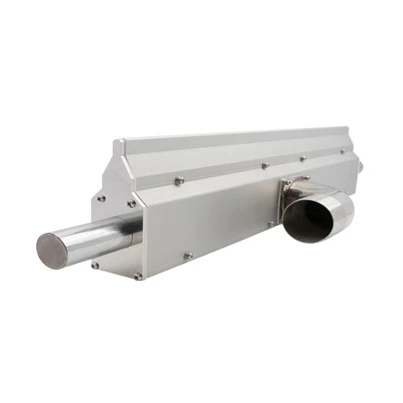

Air Turbulence
Air turbulence is a common cause of noise and vibration. When air flows through the air knife in a turbulent manner, it can create loud noises and cause the air knife to vibrate. This can be due to sharp edges or rough surfaces inside the air knife. To reduce air turbulence, ensure that the air knife has smooth internal surfaces. Some air knives come with special features, such as streamlined channels, to minimize turbulence. If your air knife is experiencing turbulence - related noise and vibration, upgrading to a model with better aerodynamic design, like our Industrial Film Drying Air Knife with Regenerative Blower, may be a solution.
Loose Components
Loose components within the air knife can also lead to noise and vibration. Check all the screws, bolts, and other fasteners to make sure they are tightened properly. If any parts are loose, they can rattle and cause additional noise. Regularly inspect the air knife for loose components during maintenance.
Inadequate Mounting
If the air knife is not mounted securely, it can vibrate against the mounting surface, creating noise. Make sure the mounting brackets are strong enough to hold the air knife firmly in place. You can also use rubber gaskets or dampers between the air knife and the mounting surface to absorb vibrations and reduce noise.
3. Air Pressure Loss
A decrease in air pressure is another common problem with aluminum alloy air knife air blades. This can result in reduced performance, such as slower drying or less effective cleaning.
Leaks
Air leaks are a major cause of air pressure loss. As mentioned earlier, loose connections, cracks in the air knife body, or damaged seals can allow air to escape. To detect leaks, use the soap - water solution method. Once a leak is found, repair it immediately. For small cracks, you can use a suitable adhesive or sealant. If the damage is more severe, the affected part may need to be replaced.
Over - long Air Supply Lines
If the air supply line to the air knife is too long, there will be a significant pressure drop along the line. Try to keep the air supply line as short as possible. If a long line is unavoidable, use a larger - diameter pipe to reduce pressure loss. Also, make sure the air supply line is free from bends and kinks, as these can also cause pressure drops.
Inadequate Air Supply
Insufficient air supply from the blower or compressor can lead to low air pressure at the air knife. Check the capacity of your air supply system to make sure it can provide the required air volume and pressure for the air knife. If necessary, upgrade your blower or compressor to a more powerful model.
4. Corrosion
Aluminum alloy air knife air blades are generally resistant to corrosion, but under certain conditions, corrosion can still occur.
Harsh Environments
If the air knife is used in a harsh environment, such as a high - humidity or chemical - laden atmosphere, it may be more prone to corrosion. To protect the air knife from corrosion, you can apply a protective coating. Some air knives come with a pre - applied anti - corrosion coating. If your air knife is in a corrosive environment, you may also consider using a stainless - steel air knife, like our SA stainless Steel Air Knife Drying system, which offers better corrosion resistance.
Improper Cleaning
Using the wrong cleaning agents can also cause corrosion. When cleaning the air knife, make sure to use cleaning agents that are compatible with the aluminum alloy. Avoid using abrasive cleaners or those containing harsh chemicals that can damage the surface of the air knife.
Conclusion
In conclusion, while aluminum alloy air knife air blades are reliable and efficient tools, they can experience common faults such as uneven airflow distribution, noise and vibration, air pressure loss, and corrosion. By understanding the causes of these problems and implementing the appropriate solutions, you can ensure the optimal performance of your air knife.
If you are facing any issues with your aluminum alloy air knife air blade or are considering purchasing a new one, we are here to help. Our team of experts can provide you with professional advice and support. Contact us for more information on our products and to start a procurement negotiation. We look forward to working with you to meet your industrial air knife needs.
References
- Air Knife Technology Handbook, various industry - specific publications
- Manufacturer's manuals for aluminum alloy air knife air blades