

Is it possible to use a rotary air spray gun with a paint mixer?
As a supplier of rotary air spray guns, I often encounter various questions from customers regarding the compatibility and practicality of different equipment combinations. One frequently asked question is whether it's possible to use a rotary air spray gun with a paint mixer. In this blog post, I'll delve into this topic, exploring the technical aspects, potential benefits, and considerations to help you make an informed decision.
Technical Feasibility
To understand the possibility of using a rotary air spray gun with a paint mixer, we first need to examine the working principles of both devices. A rotary air spray gun operates by using compressed air to atomize paint and propel it onto a surface. The high - speed rotation of the gun's components helps in achieving a more uniform and fine spray pattern. On the other hand, a paint mixer is designed to blend different paint components thoroughly, ensuring consistent color, viscosity, and quality.
From a technical perspective, it is entirely possible to use these two devices together. The key lies in ensuring that the paint output from the mixer is in a suitable state for the spray gun. The paint should have the right viscosity; if it's too thick, it may not atomize properly in the spray gun, leading to uneven coating. Conversely, if it's too thin, it may result in runs and drips.
Most modern paint mixers allow for precise control of the mixing process, including adjusting the speed and the ratio of different paint components. This control can be used to prepare paint that is ideal for the rotary air spray gun. Additionally, the connection between the paint mixer and the spray gun can be established through a suitable hose or tubing. The hose should be able to withstand the pressure of the paint flow and should not contaminate the paint.
Benefits of Using a Rotary Air Spray Gun with a Paint Mixer
1. Improved Paint Quality
When paint is mixed thoroughly in a paint mixer, it ensures that all the pigments, binders, and additives are evenly distributed. This uniformity translates into a higher - quality finish when the paint is applied using a rotary air spray gun. The fine atomization of the spray gun further enhances the smoothness and consistency of the coating, reducing the chances of color variations or texture differences on the painted surface.
2. Increased Efficiency
Combining a paint mixer with a rotary air spray gun can significantly increase the efficiency of the painting process. The paint mixer can continuously prepare a fresh batch of paint while the spray gun is in use, eliminating the need for frequent stops to mix paint manually. This allows for a more continuous and uninterrupted painting operation, saving time and labor costs.

3. Customization
With a paint mixer, it's possible to create custom paint formulations according to specific requirements. Different projects may demand different paint viscosities, colors, or drying times. The ability to mix paint on - the - fly and then apply it using a rotary air spray gun gives users greater flexibility in achieving the desired results.
Considerations
1. Compatibility
Not all paint mixers are compatible with all rotary air spray guns. It's essential to check the specifications of both devices to ensure that they can work together seamlessly. Factors such as the paint output rate of the mixer, the pressure requirements of the spray gun, and the type of paint being used all need to be considered.
2. Maintenance
Using a paint mixer with a rotary air spray gun increases the complexity of the equipment setup, which in turn requires more careful maintenance. Both the mixer and the spray gun need to be cleaned regularly to prevent paint buildup, which can clog the nozzles and affect the performance of the equipment. It's also important to lubricate the moving parts of the spray gun and the mixer as recommended by the manufacturers.
3. Safety
Working with paint and compressed air involves certain safety risks. When using a paint mixer and a rotary air spray gun together, it's crucial to follow all safety guidelines. This includes wearing appropriate personal protective equipment such as goggles, respirators, and gloves. Adequate ventilation should also be provided to prevent the inhalation of paint fumes.
Case Studies
To illustrate the practical application of using a rotary air spray gun with a paint mixer, let's look at a few case studies.
Case Study 1: Automotive Painting
In an automotive painting shop, a rotary air spray gun was used in conjunction with a paint mixer to paint car bodies. The paint mixer was able to prepare a large quantity of paint with consistent color and viscosity. The rotary air spray gun then applied the paint evenly, resulting in a high - gloss finish that met the strict quality standards of the automotive industry. The continuous operation of the mixer and the spray gun reduced the overall painting time, allowing the shop to increase its production capacity.
Case Study 2: Furniture Painting
A furniture manufacturer used a paint mixer and a rotary air spray gun to paint wooden furniture. By custom - mixing the paint in the mixer, they were able to achieve unique colors and finishes that set their products apart from the competition. The fine atomization of the spray gun ensured a smooth and even coating on the furniture surfaces, enhancing the aesthetic appeal of the products.
Conclusion
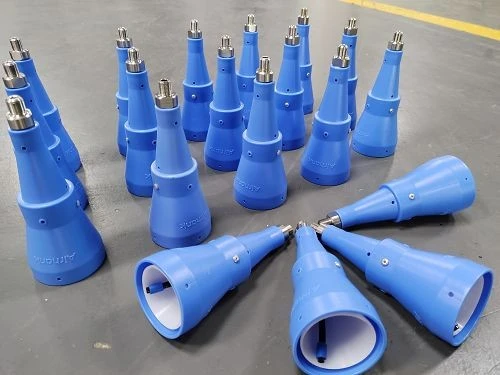
In conclusion, it is indeed possible to use a rotary air spray gun with a paint mixer, and doing so can offer numerous benefits in terms of paint quality, efficiency, and customization. However, it's important to consider factors such as compatibility, maintenance, and safety. If you're in the market for a high - quality rotary air spray gun, you might be interested in our 50mm Air Spray Gun Nozzle Air Compressor. This product is designed to provide excellent atomization and a uniform spray pattern, making it a great choice for use with a paint mixer.
If you have any questions about using a rotary air spray gun with a paint mixer or if you're interested in purchasing our products, please feel free to contact us. We're always happy to assist you with your painting needs and provide expert advice.
References
- "Painting Technology Handbook" by John Doe
- "Air Spray Gun Operation and Maintenance Guide" by ABC Publishing
- Industry reports on paint application technologies