

How to prevent clogging of an aluminum alloy air knife air blade?
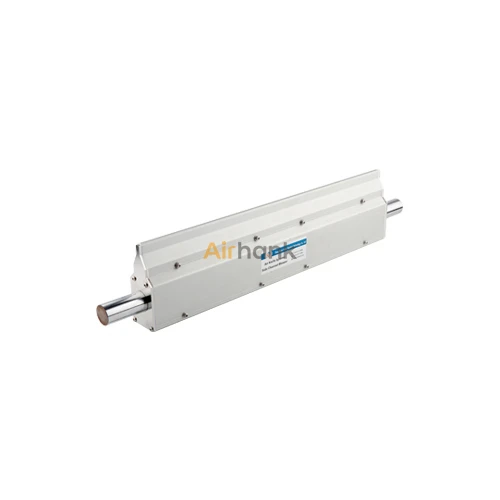
Hey there! As a supplier of Aluminum Alloy Air Knife Air Blades, I've seen my fair share of issues with clogging. It's a common problem that can really mess up the performance of these air knives, and I'm here to share some tips on how to prevent it.
First off, let's understand why clogging happens. Aluminum Alloy Air Knife Air Blades are used in a variety of industrial applications to blow off liquids, debris, or dust from surfaces. Over time, particles in the air or the material being processed can get trapped in the narrow air slots of the air blade. This accumulation restricts the airflow, reducing the efficiency of the air knife and potentially causing uneven drying or cleaning.
1. Keep the Air Supply Clean
One of the most important steps in preventing clogging is to ensure that the air supply to the air knife is clean. Dirty air can carry all sorts of contaminants like dust, oil, and moisture. To tackle this, you should install proper air filtration systems.
A pre - filter can be used to catch the larger particles. These filters are relatively inexpensive and can significantly extend the life of your air knife. After the pre - filter, a fine filter can be added to remove smaller particles. Some advanced filtration systems also have moisture separators to remove water vapor from the air. This is crucial because moisture can cause rust and corrosion inside the air knife, which can lead to clogging.
For example, if you're using an Aluminum Alloy Air Knife Air Blade in a woodworking shop, sawdust can easily get into the air supply. A good pre - filter can catch the large sawdust pieces, while a fine filter can trap the smaller dust particles that might otherwise clog the air blade.
2. Regular Maintenance
Regular maintenance is key to preventing clogging. You should establish a maintenance schedule for your air knives. This includes cleaning the air blade itself.
To clean the air blade, first, turn off the air supply and make sure the system is depressurized. Then, use a soft brush or compressed air to blow out any debris from the air slots. You can also soak the air blade in a mild cleaning solution to dissolve stubborn dirt and contaminants. However, make sure to rinse it thoroughly and dry it completely before reinstalling it.
Inspect the air knife for any signs of damage or wear. If the air slots are damaged or deformed, it can lead to uneven airflow and increased clogging. Replace any worn - out parts as soon as possible.
3. Monitor the Working Environment
The working environment plays a big role in clogging. If the air knife is used in a dusty or dirty area, the risk of clogging is much higher. You can take steps to control the environment around the air knife.
For instance, if possible, enclose the area where the air knife is used. This can prevent dust and debris from entering the air supply. You can also use exhaust fans to remove contaminated air from the area.

If the air knife is used in a high - humidity environment, like a food processing plant where there's a lot of steam, you need to take extra precautions. Install dehumidifiers to reduce the moisture content in the air. Moisture can cause particles to stick together and clog the air knife more easily.
4. Use the Right Air Pressure
Using the correct air pressure is essential. If the air pressure is too low, the airflow may not be strong enough to prevent particles from settling in the air slots. On the other hand, if the air pressure is too high, it can cause excessive wear on the air knife and may also blow more contaminants into the system.
Refer to the manufacturer's guidelines for the recommended air pressure range for your Aluminum Alloy Air Knife Air Blade. Use a pressure gauge to monitor the air pressure regularly and make adjustments as needed.
5. Choose the Right Air Knife for the Application
Not all air knives are suitable for every application. When selecting an air knife, consider the type of material you're working with and the level of contamination in the environment.
If you're dealing with large particles, you might need an air knife with wider air slots. This allows larger debris to pass through without getting stuck. For applications where you need a more precise and powerful airflow, a different type of air knife might be more appropriate.
For example, the SA stainless Steel Air Knife Drying system is designed for heavy - duty applications. It has a more robust construction and can handle higher levels of contamination.
6. Train Your Staff
Your staff should be trained on how to use and maintain the air knives properly. They need to understand the importance of preventing clogging and the steps they can take to achieve this.
Train them on how to clean the air knife, how to monitor the air pressure, and how to identify signs of clogging. Encourage them to report any issues with the air knife immediately so that you can take corrective action before the problem gets worse.
7. Consider Upgrading Your System
If you're constantly facing clogging issues, it might be time to consider upgrading your air knife system. Newer models often have improved designs that are less prone to clogging.
For example, some air knives have self - cleaning mechanisms. These systems use a pulse of high - pressure air at regular intervals to blow out any debris from the air slots.
The Industrial Film Drying Air Knife with Regenerative Blower is an advanced option that offers better performance and is more resistant to clogging. It has a well - designed air delivery system that ensures a consistent and clean airflow.
In conclusion, preventing clogging of an aluminum alloy air knife air blade requires a combination of proper air supply management, regular maintenance, environmental control, and the right equipment selection. By following these tips, you can keep your air knife running smoothly and efficiently, saving you time and money in the long run.
If you're interested in purchasing high - quality aluminum alloy air knife air blades or need more advice on preventing clogging, feel free to reach out. We're always here to help you find the best solutions for your industrial needs.
References
- Industrial Air Knife Handbook
- Manufacturer's Manuals for Aluminum Alloy Air Knives