

How to prevent clogging in a rotary air spray gun?
Hey there! As a supplier of rotary air spray guns, I've seen my fair share of issues that users face, and one of the most common headaches is clogging. Clogging can really throw a wrench in your work, slowing you down and even ruining your projects. But don't worry, I'm here to share some tips on how to prevent clogging in a rotary air spray gun.
Understand the Causes of Clogging
Before we dive into the prevention methods, it's important to know what causes clogging in the first place. There are a few main culprits:
- Dirty Paint or Fluid: If the paint or fluid you're using has debris, lumps, or contaminants in it, it can easily clog the gun's nozzle and passages.
- Dried Paint or Fluid: When paint or fluid dries inside the gun, it can form hard deposits that block the flow. This can happen if you leave the gun sitting for too long without proper cleaning or if the air in the environment is too dry.
- Incorrect Viscosity: If the paint or fluid is too thick, it won't flow smoothly through the gun and can cause clogging. On the other hand, if it's too thin, it may not atomize properly and can also lead to issues.
- Improper Cleaning: Not cleaning the gun thoroughly after each use is a surefire way to invite clogging. Residual paint or fluid can build up over time and cause blockages.
Choose the Right Paint and Fluid
One of the easiest ways to prevent clogging is to start with high-quality paint and fluid. Make sure to use products that are specifically designed for use with air spray guns. These products are typically formulated to have the right viscosity and flow properties, which reduces the risk of clogging.
When selecting paint or fluid, pay attention to the manufacturer's recommendations. They will usually provide guidelines on the proper thinning ratio and application method. Following these guidelines will help ensure that the paint or fluid flows smoothly through the gun.
Another important tip is to strain the paint or fluid before using it. You can use a fine mesh strainer to remove any debris, lumps, or contaminants that could cause clogging. This simple step can make a big difference in preventing blockages.

Maintain the Right Viscosity
As I mentioned earlier, viscosity plays a crucial role in preventing clogging. If the paint or fluid is too thick, it won't flow easily through the gun and can cause blockages. On the other hand, if it's too thin, it may not atomize properly and can lead to a poor finish.
To maintain the right viscosity, you'll need to thin the paint or fluid according to the manufacturer's recommendations. This usually involves adding a specific amount of thinner to the paint or fluid. Make sure to use the recommended type of thinner, as using the wrong one can cause issues.
You can use a viscosity cup to measure the viscosity of the paint or fluid. This is a simple tool that allows you to determine if the paint or fluid is at the right consistency. If the viscosity is too high, add a little more thinner and stir well. If it's too low, you may need to add a little more paint or fluid.
Clean the Gun Regularly
Proper cleaning is essential for preventing clogging in a rotary air spray gun. After each use, make sure to clean the gun thoroughly to remove any residual paint or fluid. Here's a step-by-step guide on how to clean your gun:
- Flush the Gun: Start by flushing the gun with a suitable cleaning solution. You can use a commercial gun cleaner or a mixture of water and mild detergent. Make sure to follow the manufacturer's instructions when using a cleaning solution.
- Disassemble the Gun: Once the gun has been flushed, disassemble it according to the manufacturer's instructions. This will allow you to clean each part individually.
- Clean the Nozzle: The nozzle is one of the most critical parts of the gun, so it's important to clean it thoroughly. Use a nozzle brush or a toothbrush to remove any paint or debris from the nozzle. You can also soak the nozzle in a cleaning solution to help dissolve any stubborn deposits.
- Clean the Needle and Air Cap: The needle and air cap are also prone to clogging, so make sure to clean them carefully. Use a needle cleaning tool to remove any paint or debris from the needle. You can also soak the air cap in a cleaning solution to remove any blockages.
- Reassemble the Gun: After all the parts have been cleaned, reassemble the gun according to the manufacturer's instructions. Make sure to tighten all the screws and fittings properly.
- Test the Gun: Once the gun has been reassembled, test it to make sure it's working properly. Spray a small amount of paint or fluid to check for any blockages or issues.
Use the Right Pressure
Using the right pressure is another important factor in preventing clogging. If the pressure is too high, it can cause the paint or fluid to atomize too much, which can lead to overspray and clogging. On the other hand, if the pressure is too low, the paint or fluid may not flow smoothly through the gun and can cause blockages.
To determine the right pressure for your gun, refer to the manufacturer's recommendations. They will usually provide a range of pressures that are suitable for different types of paint and fluid. You can also experiment with different pressures to find the one that works best for your specific application.
When using the gun, make sure to maintain a consistent pressure. Avoid sudden changes in pressure, as this can cause the paint or fluid to flow unevenly and lead to clogging.
Store the Gun Properly
Proper storage is also important for preventing clogging in a rotary air spray gun. When you're not using the gun, make sure to store it in a clean, dry place. You can also cover the gun with a protective case or bag to prevent dust and debris from getting inside.
If you need to store the gun for an extended period of time, make sure to clean it thoroughly and lubricate all the moving parts. This will help prevent rust and corrosion and ensure that the gun is in good working condition when you're ready to use it again.
Conclusion
Preventing clogging in a rotary air spray gun is essential for ensuring smooth and efficient operation. By following these tips, you can reduce the risk of clogging and keep your gun in top condition. Remember to choose the right paint and fluid, maintain the right viscosity, clean the gun regularly, use the right pressure, and store the gun properly.
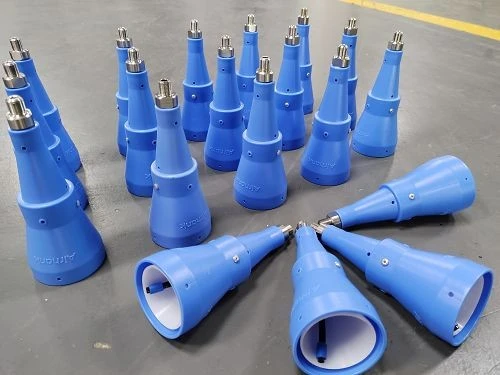
If you're in the market for a high-quality rotary air spray gun, be sure to check out our 50mm Air Spray Gun Nozzle Air Compressor. It's a reliable and efficient tool that's perfect for a wide range of applications.
If you have any questions or need further assistance, don't hesitate to contact us. We're here to help you find the right solution for your needs. Whether you're a professional painter or a DIY enthusiast, we have the products and expertise to help you get the job done right.
References
- Manufacturer's instructions for rotary air spray guns
- Paint and fluid product labels and technical data sheets
- Industry best practices for air spray gun maintenance and operation