

How to optimize the performance of an ea aluminium alloy standard air knife?
Hey there! I'm a supplier of EA aluminium alloy standard air knives, and I've been in this game for quite a while. Over the years, I've learned a thing or two about how to optimize the performance of these air knives. So, let's dive right in and talk about it.
Understanding the Basics of an EA Aluminium Alloy Standard Air Knife
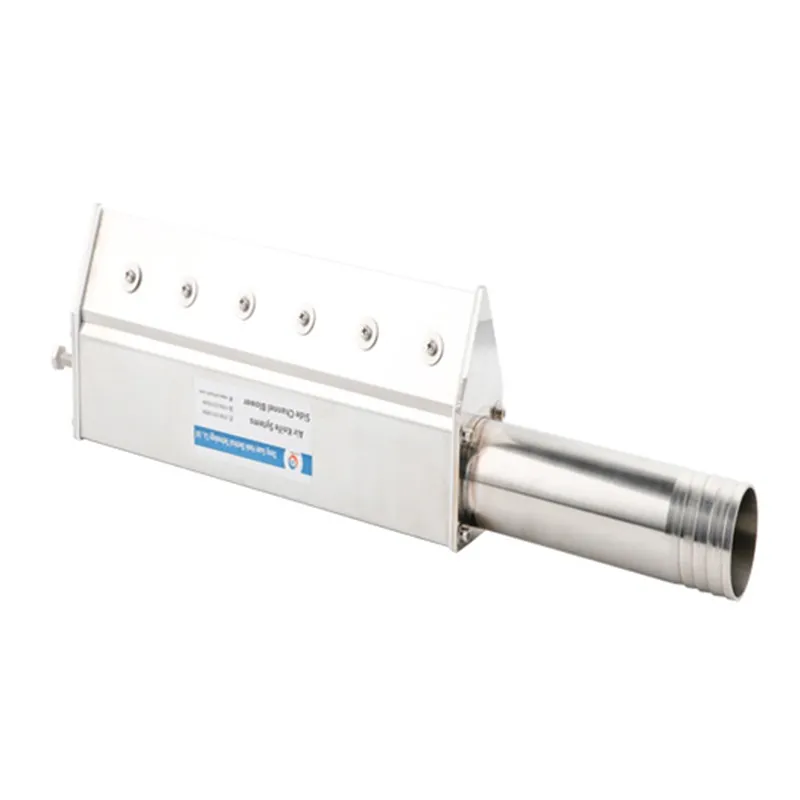
First off, let's quickly go over what an EA aluminium alloy standard air knife is. These air knives are made from high - quality EA aluminium alloy, which makes them lightweight, corrosion - resistant, and durable. They're used in a wide range of industries for tasks like drying, cleaning, and blowing off debris.
The basic principle behind an air knife is simple. Compressed air is forced through a narrow slit, creating a high - velocity, uniform air curtain. This air curtain can be used to perform various functions, depending on the application.
Factors Affecting the Performance of an EA Aluminium Alloy Standard Air Knife
Air Pressure
One of the most critical factors affecting the performance of an air knife is the air pressure. If the air pressure is too low, the air curtain won't be strong enough to do its job effectively. On the other hand, if the air pressure is too high, it can lead to excessive energy consumption and may even damage the materials being treated.
To optimize the air pressure, you need to understand the requirements of your specific application. For example, if you're using the air knife for drying a thin film, you might not need as high a pressure as you would for removing heavy debris from a large surface. You can use a pressure gauge to monitor and adjust the air pressure accurately.
Air Flow Rate
The air flow rate also plays a crucial role in the performance of the air knife. A higher air flow rate generally means a more powerful air curtain. However, just like with air pressure, you need to find the right balance. An overly high air flow rate can cause turbulence, which reduces the efficiency of the air knife.
You can control the air flow rate by adjusting the size of the air inlet or by using a flow control valve. Some air knives also come with built - in flow regulators, which can make the adjustment process much easier.
Knife Design
The design of the air knife itself is another important factor. The shape of the air outlet, the length of the air knife, and the internal structure all affect how the air is distributed and the performance of the air curtain.
For example, a well - designed air knife will have a uniform air outlet, which ensures that the air curtain is consistent across its length. Some air knives are also designed with special features, such as adjustable lips, which allow you to fine - tune the shape and width of the air curtain.
Tips for Optimizing the Performance of an EA Aluminium Alloy Standard Air Knife
Regular Maintenance
Just like any other piece of equipment, regular maintenance is essential for keeping your air knife in top - notch condition. This includes cleaning the air knife regularly to remove any dirt, debris, or moisture that may have accumulated inside. You should also check for any signs of wear and tear, such as cracks or leaks, and replace any damaged parts promptly.
Proper Installation
Proper installation is crucial for the optimal performance of the air knife. Make sure that the air knife is installed in a straight line and that it is properly aligned with the surface being treated. Any misalignment can cause uneven air distribution and reduce the effectiveness of the air curtain.
Also, ensure that the air supply lines are properly connected and that there are no kinks or blockages in the lines. You can use flexible hoses to connect the air knife to the air supply, which can make the installation process easier and more flexible.
Selecting the Right Accessories
There are several accessories available that can enhance the performance of your EA aluminium alloy standard air knife. For example, you can use a silencer to reduce the noise generated by the air knife. This is especially important in environments where noise levels need to be kept to a minimum.
You can also use a filter to remove any impurities from the compressed air. This can prevent damage to the air knife and improve the quality of the air curtain.
Applications and Their Optimization Strategies
Drying Applications
In drying applications, the goal is to remove moisture as quickly and efficiently as possible. To optimize the performance of the air knife for drying, you need to ensure that the air curtain is strong enough to break the surface tension of the water and blow it away.
You can also consider using a heated air knife if the materials being dried are heat - resistant. Heated air can evaporate the moisture more quickly, which can significantly improve the drying efficiency. Check out the Industrial Film Drying Air Knife with Regenerative Blower for a great option in this regard.
Cleaning Applications
For cleaning applications, the air knife needs to be able to remove dirt, dust, and debris from the surface. You may need to adjust the air pressure and flow rate to ensure that the air curtain is strong enough to dislodge the contaminants.
In some cases, you can use multiple air knives in a series to increase the cleaning effectiveness. This allows you to cover a larger area and provides a more thorough cleaning.

Blowing - Off Applications
When using the air knife for blowing off applications, such as removing excess liquid or powder from a surface, you need to focus on creating a high - velocity air curtain. A high - velocity air curtain can quickly and effectively remove the unwanted materials.
You can also adjust the angle of the air knife to ensure that the air curtain is directed at the right spot. This can improve the efficiency of the blowing - off process.
Comparing with Other Types of Air Knives
There are several other types of air knives available on the market, such as the SA stainless Steel Air Knife Drying system and the Aluminum Alloy Air Knife Air Blade. Each type has its own advantages and disadvantages.
Compared to stainless steel air knives, EA aluminium alloy standard air knives are generally lighter and more corrosion - resistant. They're also more cost - effective in many cases. However, stainless steel air knives may be more suitable for applications where high - temperature resistance or extreme durability is required.
Aluminum alloy air knives, on the other hand, are similar to EA aluminium alloy standard air knives in terms of material. But the specific alloy and design may vary, which can affect the performance.
Conclusion
Optimizing the performance of an EA aluminium alloy standard air knife requires a good understanding of the factors that affect its performance, as well as the proper maintenance, installation, and selection of accessories. By following the tips and strategies outlined in this blog, you can ensure that your air knife operates at its best and meets the requirements of your specific application.
If you're interested in purchasing an EA aluminium alloy standard air knife or have any questions about optimizing its performance, feel free to reach out for a procurement discussion. I'm here to help you make the most of your air knife investment.
References
- Compressed Air Handbook. Compressed Air and Gas Institute.
- Industrial Air Knife Applications Guide. Industry - specific research reports.