

How to optimize the performance of a high speed centrifugal blower?
Hey there! As a supplier of high-speed centrifugal blowers, I've seen firsthand how these powerful machines can make a real difference in various industrial and commercial applications. But like any piece of equipment, getting the most out of a high-speed centrifugal blower requires a bit of know-how. In this blog post, I'm going to share some tips on how to optimize the performance of your high-speed centrifugal blower.
Understanding the Basics of High-Speed Centrifugal Blowers
Before we dive into the optimization tips, let's quickly go over how high-speed centrifugal blowers work. These blowers use a high-speed rotating impeller to accelerate air or gas radially outward. This creates a high-velocity flow that can be used for a variety of purposes, such as ventilation, cooling, and pneumatic conveying.
The performance of a high-speed centrifugal blower is typically measured in terms of its flow rate (cubic feet per minute or CFM), pressure (inches of water column or inches WC), and power consumption (horsepower or HP). To optimize the performance of your blower, you need to find the right balance between these three factors.
Selecting the Right Blower for Your Application
One of the most important steps in optimizing the performance of a high-speed centrifugal blower is selecting the right blower for your specific application. There are many different types and sizes of high-speed centrifugal blowers available on the market, each designed to meet the needs of different industries and applications.
When choosing a blower, you need to consider factors such as the required flow rate, pressure, and temperature of the air or gas you'll be handling. You also need to think about the environment in which the blower will be operating, including factors such as humidity, dust, and corrosive gases.
For example, if you're looking for a blower for a drying application, you might consider the Drying Blower for Ultrasonic CleanerDPT - 150. This blower is specifically designed to provide high-speed, high-volume air flow for drying ultrasonic cleaners and other small parts.
On the other hand, if you need a blower for a more heavy-duty industrial application, such as pneumatic conveying or ventilation in a large factory, you might want to look at a larger, more powerful blower like the 1 RBG210 0D48.
Proper Installation and Alignment
Once you've selected the right blower for your application, the next step is to ensure that it's installed and aligned correctly. Improper installation and alignment can lead to a variety of problems, including reduced performance, increased energy consumption, and premature wear and tear on the blower components.
When installing your blower, make sure to follow the manufacturer's instructions carefully. This includes ensuring that the blower is mounted on a stable, level surface and that all the connections are tight and secure. You also need to make sure that the blower is properly aligned with the ductwork or piping system that it will be connected to.
Proper alignment is crucial for ensuring that the blower operates efficiently and quietly. Misaligned blowers can cause vibrations, which can not only reduce the performance of the blower but also damage the surrounding equipment and structures.
Regular Maintenance and Inspection
Regular maintenance and inspection are essential for keeping your high-speed centrifugal blower running at its best. By performing routine maintenance tasks, such as cleaning the impeller, checking the bearings, and lubricating the moving parts, you can prevent problems before they occur and extend the lifespan of your blower.

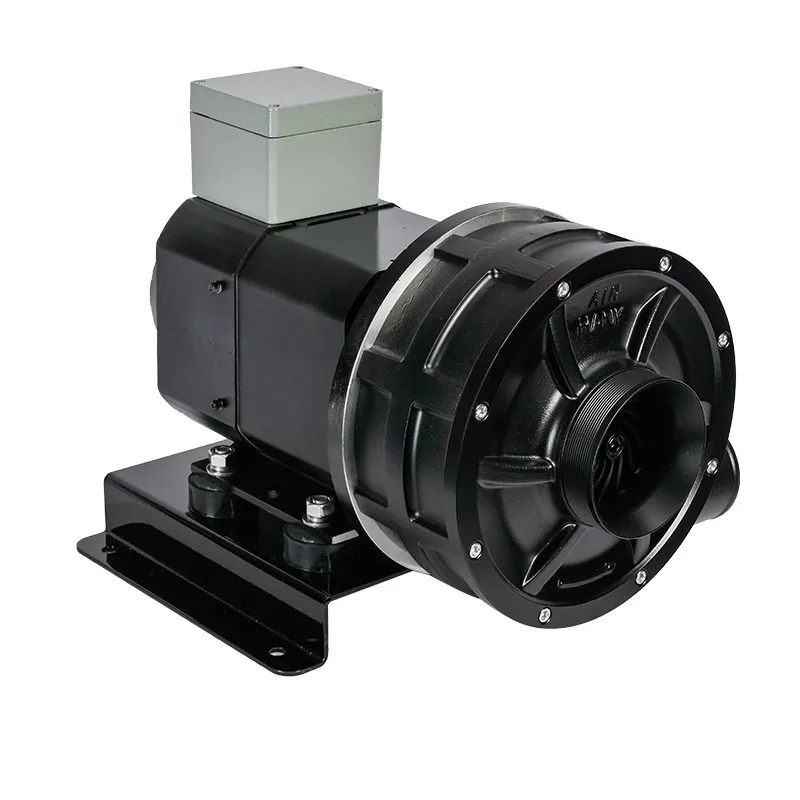
One of the most important maintenance tasks is to keep the impeller clean. Over time, dirt, dust, and other debris can accumulate on the impeller, which can reduce its efficiency and cause it to vibrate. To clean the impeller, you can use a soft brush or compressed air to remove the debris.
You should also check the bearings regularly for signs of wear and tear. Worn bearings can cause the blower to vibrate and can eventually lead to a complete failure of the blower. If you notice any signs of wear, such as excessive noise or vibration, you should replace the bearings as soon as possible.
In addition to regular maintenance, you should also perform periodic inspections of your blower to check for any other potential problems. This includes checking the belts, pulleys, and couplings for wear and tear, as well as inspecting the electrical connections and controls.
Optimizing the Operating Conditions
Another way to optimize the performance of your high-speed centrifugal blower is to optimize the operating conditions. This includes factors such as the temperature, humidity, and pressure of the air or gas being handled, as well as the speed and load of the blower.
For example, if the air or gas being handled is too hot, it can cause the blower to overheat and reduce its performance. To prevent this, you can use a cooler or a heat exchanger to reduce the temperature of the air or gas before it enters the blower.
Similarly, if the air or gas being handled is too humid, it can cause corrosion and damage to the blower components. To prevent this, you can use a dryer or a desiccant to remove the moisture from the air or gas.
You should also make sure that the blower is operating at the right speed and load for your application. Running the blower at too high a speed or load can increase the energy consumption and reduce the lifespan of the blower, while running it at too low a speed or load can reduce the performance of the blower.
Using Advanced Control Systems
Finally, you can optimize the performance of your high-speed centrifugal blower by using advanced control systems. These systems can help you to monitor and adjust the operating conditions of the blower in real-time, which can improve its efficiency and performance.
For example, you can use a variable frequency drive (VFD) to control the speed of the blower motor. By adjusting the speed of the motor based on the demand for air or gas, you can reduce the energy consumption of the blower and improve its efficiency.
You can also use a programmable logic controller (PLC) to automate the operation of the blower. This can help you to optimize the performance of the blower by adjusting the operating conditions based on the specific requirements of your application.
Conclusion
Optimizing the performance of a high-speed centrifugal blower requires a combination of proper selection, installation, maintenance, and operation. By following the tips outlined in this blog post, you can ensure that your blower is running at its best and providing you with the reliable performance that you need.
If you're in the market for a high-speed centrifugal blower or if you need help optimizing the performance of your existing blower, don't hesitate to contact us. We're a leading supplier of high-speed centrifugal blowers, and we have the expertise and experience to help you find the right solution for your application. Whether you're looking for a Drying Blower for Ultrasonic CleanerDPT - 150, a 1 RBG210 0D48, or an AIIHANK High - Speed Turbine Three - Dimensional Flow Blower DPT - 100, we can provide you with the high-quality products and services that you need. Let's start a conversation about your requirements and find the best solution together!
References
- "Centrifugal Blower Handbook", Industrial Press Inc.
- "HVAC Systems and Equipment", McGraw - Hill Education