

How to optimize the air volume - pressure performance of a 7.5kw soplador de aire ring blower?
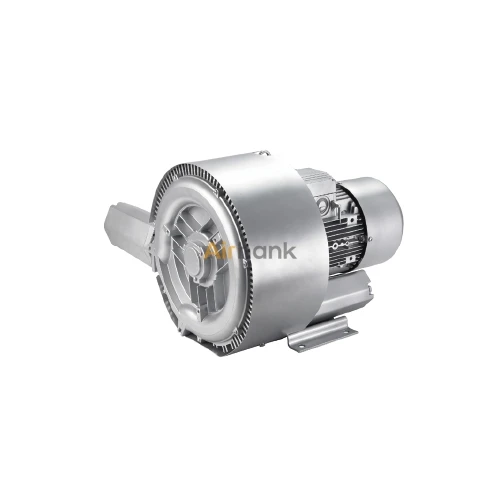
As a supplier of 7.5kw soplador de aire ring blowers, I've witnessed firsthand the critical role these machines play in various industrial applications. The air volume - pressure performance of a 7.5kw soplador de aire ring blower is a key factor that determines its efficiency and suitability for specific tasks. In this blog, I'll share some insights on how to optimize this performance.
Understanding the Basics of Air Volume - Pressure Performance
Before delving into optimization strategies, it's essential to understand the relationship between air volume and pressure in a ring blower. Air volume refers to the amount of air that the blower can move per unit of time, typically measured in cubic meters per hour (m³/h) or cubic feet per minute (CFM). Pressure, on the other hand, is the force exerted by the air as it moves through the system, usually measured in pascals (Pa) or inches of water column (in. WC).
In a 7.5kw soplador de aire ring blower, these two parameters are interdependent. Generally, as the pressure increases, the air volume decreases, and vice versa. This relationship is described by the blower's performance curve, which shows how the air volume and pressure change at different operating points.
Factors Affecting Air Volume - Pressure Performance
Several factors can influence the air volume - pressure performance of a 7.5kw soplador de aire ring blower. Understanding these factors is crucial for effective optimization.
1. Design and Construction
The design and construction of the blower play a significant role in determining its performance. Factors such as the impeller design, housing shape, and the number of stages can all affect the air volume and pressure. For example, a well - designed impeller with the right blade shape and pitch can increase the efficiency of air movement, resulting in higher air volume and pressure.
2. Rotational Speed
The rotational speed of the blower's motor directly affects the air volume and pressure. According to the affinity laws, the air volume is proportional to the rotational speed, and the pressure is proportional to the square of the rotational speed. Therefore, increasing the rotational speed can significantly increase the air volume and pressure, but it also requires more power and can lead to increased wear and tear on the blower.
3. System Resistance
The resistance in the air delivery system, including ductwork, filters, and other components, can have a major impact on the blower's performance. High system resistance can reduce the air volume and increase the pressure required to move the air through the system. For example, a clogged filter can restrict the airflow, causing a drop in air volume and an increase in pressure.
4. Temperature and Altitude
The temperature and altitude of the operating environment can also affect the air volume - pressure performance. As the temperature increases, the air density decreases, which can reduce the air volume and pressure. Similarly, at higher altitudes, the lower air density can also lead to a decrease in performance.

Optimization Strategies
1. Select the Right Blower Model
Choosing the right 7.5kw soplador de aire ring blower for your application is the first step in optimization. Consider the specific requirements of your system, such as the required air volume, pressure, and operating conditions. For example, if you need a high - pressure application, a blower with multiple stages or a more robust design may be more suitable. You can check our 7.5KW Soplador De Aire Ring Blower for a reliable option.
2. Optimize the Impeller Design
The impeller is the heart of the ring blower, and optimizing its design can significantly improve the air volume - pressure performance. This can involve changing the blade shape, pitch, or number of blades. For example, a backward - curved blade impeller can provide higher efficiency and better performance at higher pressures compared to a forward - curved blade impeller.
3. Control the Rotational Speed
As mentioned earlier, the rotational speed has a direct impact on the air volume and pressure. By using a variable frequency drive (VFD), you can adjust the rotational speed of the blower according to the actual requirements of the system. This allows you to optimize the performance while reducing energy consumption. For example, during periods of low demand, you can reduce the rotational speed to save energy.
4. Minimize System Resistance
Reducing the resistance in the air delivery system is crucial for optimizing the blower's performance. This can be achieved by using proper ductwork design, ensuring smooth bends and transitions, and regularly maintaining filters and other components. For example, replacing clogged filters can restore the airflow and improve the air volume - pressure performance.
5. Consider the Operating Environment
Take into account the temperature and altitude of the operating environment. If the temperature is high or the altitude is significant, you may need to adjust the blower's performance accordingly. For example, you may need to select a blower with a higher power rating to compensate for the reduced air density.
Case Studies
Let's take a look at some real - world examples of optimizing the air volume - pressure performance of 7.5kw soplador de aire ring blowers.
Case 1: Wastewater Treatment Plant
A wastewater treatment plant was using a 7.5kw soplador de aire ring blower for aeration. The system was experiencing low air volume and high energy consumption. After a thorough analysis, it was found that the ductwork had a high resistance due to improper design and clogged filters. By redesigning the ductwork and regularly replacing the filters, the system resistance was significantly reduced. Additionally, a VFD was installed to control the rotational speed of the blower. As a result, the air volume increased by 20%, and the energy consumption decreased by 15%.
Case 2: Industrial Drying Process
An industrial drying process required a high - pressure air supply. The initial blower was not able to provide the required pressure, resulting in inefficient drying. By upgrading to a RBG320 1D3B High - Pressure Aeration Blower, which had a more robust design and higher pressure capabilities, the pressure was increased by 30%, and the drying process became more efficient.
Conclusion
Optimizing the air volume - pressure performance of a 7.5kw soplador de aire ring blower is essential for achieving efficient and reliable operation in various industrial applications. By understanding the factors that affect performance and implementing the appropriate optimization strategies, you can improve the blower's efficiency, reduce energy consumption, and extend its service life.
If you're looking for a high - quality 7.5kw soplador de aire ring blower or need advice on optimizing your existing system, we're here to help. Our team of experts can provide you with customized solutions based on your specific requirements. Whether you need a replacement blower or want to upgrade your current system, we have a wide range of products to choose from, including our 3HP 2.2kw Industrial Air Blower. Contact us today to start the procurement discussion and take your industrial processes to the next level.
References
- [Blower Performance Handbook]
- [Industrial Air Handling Systems: Principles and Applications]