

How to install the 18.5kw high airflow super air blower correctly?
How to install the 18.5kw high airflow super air blower correctly?
As a reliable supplier of 18.5kw high airflow super air blowers, I understand that proper installation is crucial for the optimal performance and longevity of these powerful machines. In this blog post, I'll guide you through the correct installation process, ensuring that your blower operates safely and efficiently.
Pre - installation Preparations
Before you start the installation, it's essential to conduct a series of preparatory steps. First, carefully examine the blower upon arrival. Check for any visible damage during transit, such as dents, scratches, or loose parts. If you find any issues, contact us immediately, and we'll assist you in resolving them.
Next, select an appropriate installation location. The site should be flat, dry, and well - ventilated. A flat surface ensures the stability of the blower, preventing vibrations that could lead to premature wear and tear. A dry environment protects the electrical components from moisture, which can cause short - circuits and other malfunctions. Adequate ventilation is necessary to dissipate the heat generated during operation.
Measure the space where the blower will be installed. Make sure there is enough clearance around the unit for easy access during maintenance and to allow for proper air circulation. As a general rule, leave at least 500mm of space on all sides of the blower.
Installation Steps
1. Base Mounting
Place the blower on the pre - selected flat surface. If required, use a level to ensure that the unit is perfectly horizontal. This step is critical as an unevenly mounted blower can cause excessive vibration, noise, and even damage to the internal components.
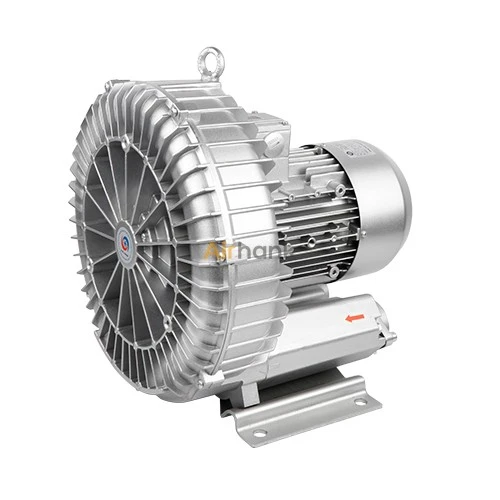
Secure the blower to the base using the appropriate bolts and nuts provided. Tighten the fasteners evenly to avoid any misalignment. If you're installing the blower on a concrete floor, you may need to use anchor bolts for a more secure fit.
2. Electrical Connection
When it comes to electrical connections, safety is of utmost importance. Only a qualified electrician should perform this task. Before starting any electrical work, make sure the power supply is switched off.
The 18.5kw high airflow super air blower requires a specific voltage and current rating. Refer to the user manual for the exact electrical specifications. Connect the blower to the power supply using appropriate cables with sufficient ampacity. Ensure that all connections are tight and insulated to prevent electrical shocks and short - circuits.
Install a suitable circuit breaker or fuse to protect the blower from over - current. This device will automatically cut off the power in case of an electrical fault, preventing damage to the blower and reducing the risk of fire.
3. Ductwork Installation
The ductwork is responsible for transporting the air from the blower to the desired location. Select high - quality duct materials that are suitable for the application. For high - airflow systems, rigid ducts are often preferred as they can withstand the pressure without collapsing.

Connect the ductwork to the blower's inlet and outlet ports. Use gaskets to ensure a tight seal, preventing air leakage. The ductwork should be properly supported to avoid sagging, which can restrict air flow and increase energy consumption.
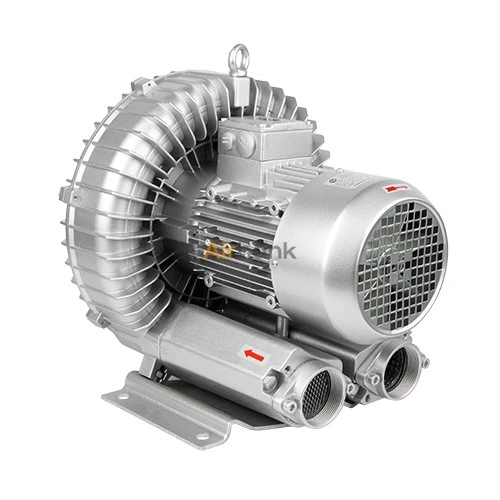
When designing the duct layout, try to minimize bends and elbows as much as possible. Each bend creates resistance, reducing the efficiency of the blower. If bends are necessary, use smooth - radius bends to minimize the pressure drop.
4. Belt and Pulley Adjustment (if applicable)
Some 18.5kw high airflow super air blowers are equipped with belts and pulleys for power transmission. Check the belt tension regularly. A loose belt can slip, reducing the blower's efficiency, while an overly tight belt can cause excessive wear on the bearings and belts.
To adjust the belt tension, loosen the motor mounting bolts and move the motor to the appropriate position. Then, tighten the bolts to secure the motor. Use a belt tension gauge to ensure that the belt tension is within the recommended range.
5. Testing and Commissioning
Once the installation is complete, it's time to test the blower. Switch on the power supply and start the blower. Listen for any abnormal noises, such as rattling or screeching, which could indicate a problem with the installation.
Check the air flow at the outlet of the ductwork. The air flow should be strong and consistent. Measure the pressure and temperature at various points in the system to ensure that they are within the normal operating range.
If you encounter any issues during the testing phase, refer to the user manual or contact our technical support team for assistance.
Comparison with Other Models
In our product range, we also offer other models of air blowers, such as the 3HP 2.2kw Industrial Air Blower, the 7.5KW Soplador De Aire Ring Blower, and the 5.5HP High Pressure Regenerative Blower. These models are suitable for different applications and requirements. For example, the 2.2kw industrial air blower is more suitable for small - scale industrial applications where a lower power consumption is needed, while the 18.5kw high airflow super air blower is designed for large - scale industrial processes that require a high volume of air flow.
Conclusion
Proper installation of the 18.5kw high airflow super air blower is essential for its reliable operation. By following the steps outlined in this blog post, you can ensure that your blower is installed correctly and will provide years of trouble - free service.
If you're interested in purchasing our 18.5kw high airflow super air blower or any other products in our range, we invite you to contact us for further details and to start a procurement discussion. Our team of experts is ready to assist you in finding the right solution for your specific needs.
References
- Manufacturer's user manual for 18.5kw high airflow super air blower
- Industry standards for air blower installation and safety