

How to improve the cutting - edge sharpness of an aluminum alloy air knife air blade's air - jet
Hey there! As a supplier of aluminum alloy air knife air blades, I've been getting a lot of questions lately about how to improve the cutting - edge sharpness of the air - jet. Well, you've come to the right place! In this blog, I'll share some tips and tricks that can help you achieve just that.
First off, let's understand why the sharpness of the air - jet is so important. A sharp air - jet can effectively remove liquids, dust, and other contaminants from surfaces. It's like a precision tool that can target specific areas, making it highly efficient in industrial applications such as Industrial Film Drying Air Knife with Regenerative Blower. Whether you're drying a conveyor belt, cleaning a printed circuit board, or removing excess moisture from a product, a sharp air - jet can make a world of difference.
Design Considerations
One of the key factors in achieving a sharp air - jet is the design of the air knife air blade. The shape of the nozzle plays a crucial role. A well - designed nozzle can focus the airflow, increasing its velocity and reducing air dispersion. For example, a narrow and elongated nozzle can create a more concentrated air - jet compared to a wide and short one.
The material of the air knife also matters. Aluminum alloy is a popular choice due to its lightweight, corrosion - resistant, and cost - effective properties. However, the quality of the aluminum alloy can vary. High - grade aluminum alloys can provide better structural integrity, which is essential for maintaining the shape of the nozzle over time. This ensures that the air - jet remains sharp and consistent.
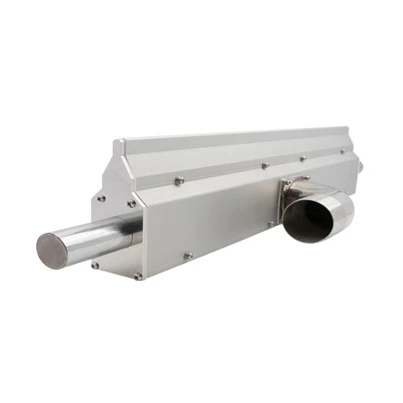
Another design aspect to consider is the internal passage of the air knife. A smooth and unobstructed internal passage allows the air to flow freely, minimizing turbulence. Turbulence can disrupt the airflow and reduce the sharpness of the air - jet. So, when manufacturing our Aluminum Alloy Air Knife Air Blade, we pay close attention to the internal design to ensure a laminar flow of air.
Air Supply
The air supply is another critical factor. The pressure and volume of the air being supplied to the air knife can significantly impact the sharpness of the air - jet. Higher air pressure generally results in a more powerful and focused air - jet. However, it's important to find the right balance. If the pressure is too high, it can cause excessive noise and may even damage the air knife or the surface being treated.
To ensure a stable and consistent air supply, it's recommended to use a high - quality air compressor. A compressor with a large tank can store a sufficient amount of air, providing a steady flow to the air knife. Additionally, using an air filter can help remove any impurities from the air, preventing clogging of the nozzle and maintaining the sharpness of the air - jet.
The type of air compressor also matters. For example, a regenerative blower can be a great choice for some applications. It offers a continuous and smooth airflow, which is ideal for creating a sharp air - jet. Our Industrial Film Drying Air Knife with Regenerative Blower is designed to work seamlessly with regenerative blowers, providing excellent performance.
Maintenance
Regular maintenance is essential for keeping the air - jet sharp. Over time, dust, dirt, and other contaminants can accumulate inside the air knife, obstructing the airflow and reducing the sharpness of the air - jet. Cleaning the air knife regularly can prevent this from happening.
You can use a soft brush or compressed air to clean the external and internal parts of the air knife. Make sure to remove any debris from the nozzle. It's also a good idea to inspect the air knife for any signs of wear and tear, such as cracks or dents. If you notice any damage, it's important to replace the affected parts immediately to maintain the performance of the air knife.
In addition to cleaning, lubricating the moving parts (if any) of the air knife can also help improve its performance. This ensures smooth operation and reduces friction, which can contribute to a more consistent and sharp air - jet.
Testing and Optimization
Once you've designed and installed the air knife, it's important to test and optimize its performance. You can use airflow measurement tools, such as an anemometer, to measure the velocity and direction of the air - jet. This will give you an idea of how well the air knife is performing.
Based on the test results, you can make adjustments. For example, if the air - jet is not as sharp as expected, you can try adjusting the air pressure, changing the nozzle design, or cleaning the internal passage. Continuous testing and optimization can help you fine - tune the air knife to achieve the sharpest possible air - jet for your specific application.
Comparison with Other Options
When it comes to air knives, there are other options available in the market, such as SA stainless Steel Air Knife Drying system. Stainless steel air knives are known for their durability and high - temperature resistance. However, they are generally heavier and more expensive than aluminum alloy air knives.
Aluminum alloy air knives offer a great balance between performance and cost. They are suitable for a wide range of applications, especially those where weight and cost are important considerations. And with the right design, air supply, and maintenance, they can provide a cutting - edge sharp air - jet that rivals stainless steel air knives.
Conclusion
Improving the cutting - edge sharpness of an aluminum alloy air knife air blade's air - jet requires a combination of design, air supply, maintenance, and testing. By paying attention to these factors, you can ensure that your air knife performs at its best, providing a powerful and focused air - jet for your industrial applications.
If you're in the market for a high - quality Aluminum Alloy Air Knife Air Blade, look no further. We're a leading supplier with years of experience in the industry. Our products are designed and manufactured to the highest standards, ensuring a sharp and consistent air - jet.

If you have any questions or are interested in purchasing our products, feel free to reach out. We're always happy to have a chat and discuss how our air knives can meet your specific needs. Let's work together to achieve the best results for your business!
References
- "Fluid Mechanics" by Frank M. White
- "Industrial Drying Technology" by Arun S. Mujumdar