

How to connect an aluminum alloy air knife air blade to an air source?
Hey there! As a supplier of Aluminum Alloy Air Knife Air Blades, I often get asked about how to connect these nifty gadgets to an air source. It's not as complicated as it might seem at first, and in this blog post, I'll walk you through the whole process step by step.
Understanding Your Aluminum Alloy Air Knife Air Blade
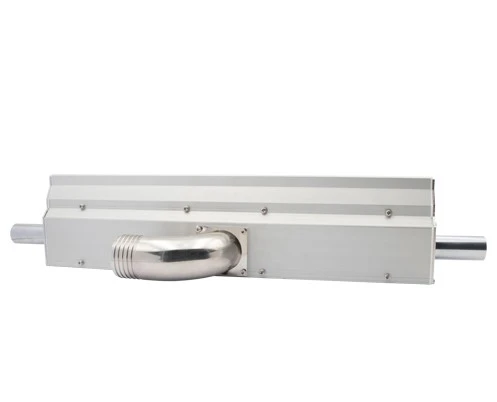
Before we jump into the connection process, let's take a quick look at what an Aluminum Alloy Air Knife Air Blade is and why it's so useful. These air knives are super handy tools used in a variety of industrial applications. They're made from high - quality aluminum alloy, which makes them lightweight yet durable. They work by creating a high - velocity, uniform air stream that can be used for tasks like drying, cleaning, and coating.
If you're interested in checking out our Aluminum Alloy Air Knife Air Blade, you can click on this link: Aluminum Alloy Air Knife Air Blade. It'll give you more details about the product and its features.
Types of Air Sources
There are a few different types of air sources you can use with your aluminum alloy air knife air blade. The most common ones are compressors and blowers.
Compressors
Compressors are great because they can provide high - pressure air. They work by taking in air and compressing it into a smaller volume, which increases its pressure. When using a compressor, you need to make sure it can supply enough air volume and pressure for your air knife to work effectively.
Blowers
Blowers, on the other hand, are more suitable for applications where you need a large volume of air at a relatively lower pressure. They're often more energy - efficient than compressors, especially for continuous - use applications. For an example of an air knife system that uses a blower, check out this Industrial Film Drying Air Knife with Regenerative Blower.
Step - by - Step Guide to Connecting the Air Knife to an Air Source
Step 1: Gather Your Tools
First things first, you'll need to gather the necessary tools. You'll typically need a wrench, some Teflon tape, and maybe a few fittings depending on your setup. The Teflon tape is used to create a tight seal between the fittings and the air knife or the air source.
Step 2: Check the Air Knife and Air Source
Before making any connections, take a close look at both the air knife and the air source. Make sure there are no visible damages or blockages. Check the inlet size of the air knife and the outlet size of the air source to ensure they're compatible. If they're not, you'll need to get the right fittings to make the connection.
Step 3: Prepare the Fittings
If you're using fittings, wrap the threads of the fittings with Teflon tape. This helps prevent air leaks. Make sure you wrap the tape in the right direction (usually clockwise) and cover all the threads evenly.

Step 4: Connect the Air Knife to the Air Source
Now it's time to make the actual connection. If you're using a compressor, you'll usually connect the air knife to the compressor's outlet using a suitable hose or pipe. Attach one end of the hose or pipe to the compressor outlet and the other end to the air knife inlet. Use the wrench to tighten the fittings securely, but be careful not to over - tighten as it could damage the fittings or the air knife.
If you're using a blower, the process is similar. Connect the blower's outlet to the air knife inlet using the appropriate hose or pipe and fittings. Again, make sure everything is tightened properly to prevent air leaks.
Step 5: Test the Connection
Once you've made the connection, it's a good idea to test it. Turn on the air source and check for any air leaks. You can do this by listening for hissing sounds or using a soapy water solution. If you see bubbles forming around the connections, it means there's a leak. In that case, turn off the air source and tighten the fittings a bit more.
Tips for a Successful Connection
- Proper Sizing: Make sure the air source can provide the right amount of air volume and pressure for your air knife. Using an undersized air source can result in poor performance.
- Regular Maintenance: Keep your air source and air knife clean and well - maintained. This can help prevent blockages and extend the lifespan of your equipment.
- Safety First: Always follow the safety guidelines when working with air sources and air knives. Wear appropriate protective gear, and make sure the equipment is properly grounded.
Other Related Products
If you're looking for a more heavy - duty option, we also offer the SA stainless Steel Air Knife Drying system. It's made from stainless steel, which makes it more resistant to corrosion and suitable for more demanding industrial environments.
Why Choose Our Aluminum Alloy Air Knife Air Blades
- Quality Materials: Our air knives are made from high - quality aluminum alloy, which ensures durability and long - term performance.
- Customization: We can customize the air knives to meet your specific requirements, such as different lengths and air flow rates.
- Excellent Customer Support: Our team is always ready to help you with any questions or issues you might have.
Contact Us for Purchase and Negotiation
If you're interested in purchasing our Aluminum Alloy Air Knife Air Blades or have any questions about the connection process or our other products, don't hesitate to get in touch with us. We're here to help you find the best solution for your industrial needs. Whether you're a small business or a large corporation, we can work with you to provide the right air knife system for your application.
References
- Industrial Air Knife Handbook, 2nd Edition
- Compressor and Blower Technical Manuals