

How to check the air tightness of an ea aluminium alloy standard air knife?
As a supplier of EA aluminium alloy standard air knives, ensuring the air tightness of our products is of utmost importance. Air tightness directly affects the performance and efficiency of air knives, making it a crucial factor for our customers in various industrial applications. In this blog, I will share some effective methods to check the air tightness of an EA aluminium alloy standard air knife.
Understanding the Importance of Air Tightness
Before delving into the checking methods, it's essential to understand why air tightness matters. An air knife with good air tightness can generate a uniform and high - velocity air curtain. This is vital for applications such as Industrial Film Drying Air Knife with Regenerative Blower, where a consistent air flow is required to dry industrial films efficiently. If there are air leaks, the air flow will be uneven, reducing the drying effect and potentially causing product quality issues.
In addition, for applications like Aluminum Alloy Air Knife Air Blade, air tightness ensures that the air is concentrated and directed precisely where it is needed. Leaks can lead to wasted energy as the compressed air escapes, increasing operational costs for our customers.
Visual Inspection
The first step in checking the air tightness of an EA aluminium alloy standard air knife is a visual inspection. This is a simple yet effective method that can quickly identify obvious problems.
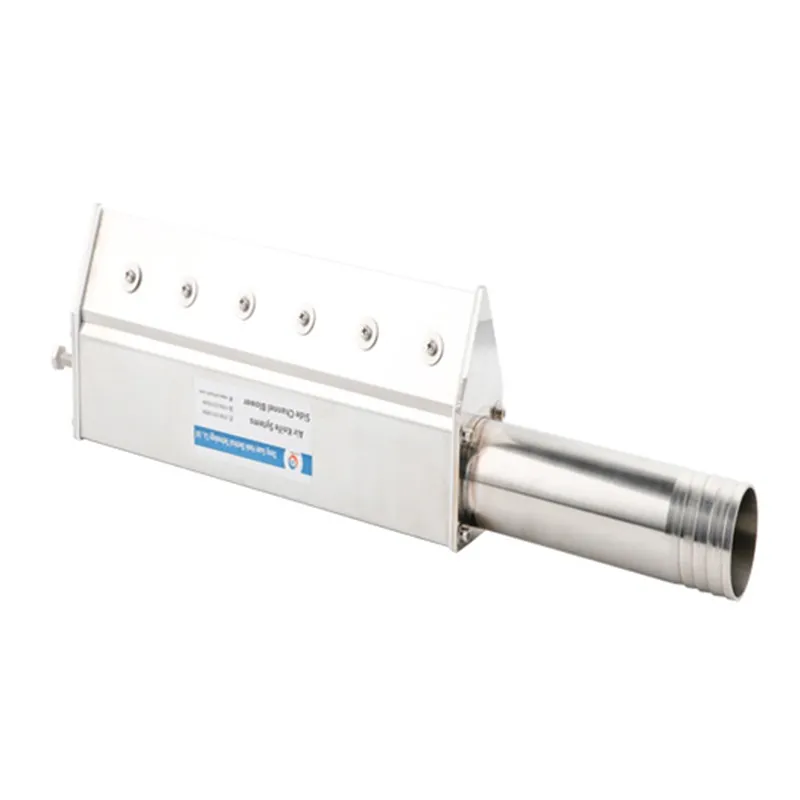
Inspect the body of the air knife for any visible cracks, dents, or scratches. These physical damages can compromise the air tightness. Pay special attention to the joints and connections, such as where the air inlet is attached to the air knife body and any seams along the length of the air knife. Loose or damaged connections can also cause air leaks.
If you notice any signs of damage, it's important to address them immediately. Minor scratches can sometimes be repaired, but significant cracks or dents may require replacing the affected parts or the entire air knife.
Pressure Testing
Pressure testing is a more accurate method to check the air tightness of an air knife. This method involves applying a specific pressure to the air knife and monitoring the pressure change over a period of time.
Step 1: Prepare the Testing Equipment
You will need a pressure gauge, a pressure regulator, and a compressed air source. Make sure the pressure gauge is calibrated correctly to ensure accurate readings.
Step 2: Connect the Equipment
Connect the compressed air source to the air inlet of the air knife through the pressure regulator. Attach the pressure gauge to the air knife to measure the internal pressure.
Step 3: Set the Pressure
Use the pressure regulator to set the pressure to the recommended operating pressure of the air knife. This information can usually be found in the product manual.
Step 4: Monitor the Pressure
Once the pressure is set, close the air inlet valve and observe the pressure gauge. If the pressure remains stable over a period of time (usually 5 - 10 minutes), it indicates that the air knife has good air tightness. However, if the pressure drops significantly, there is likely an air leak.
Step 5: Locate the Leak
If a leak is detected, you can use a soap - water solution to locate the leak. Apply the soap - water solution to the suspected areas, such as joints and connections. If there is a leak, air will escape, creating bubbles in the soap - water solution. Mark the leak location for repair.
Flow Rate Testing
Flow rate testing is another way to assess the air tightness of an EA aluminium alloy standard air knife. By comparing the actual flow rate with the expected flow rate, you can determine if there are any air leaks.
Step 1: Measure the Flow Rate
Use a flow meter to measure the actual flow rate of the air knife at the recommended operating pressure. Make sure the flow meter is installed correctly and calibrated accurately.
Step 2: Compare with the Expected Flow Rate
The expected flow rate can be obtained from the product specifications. If the actual flow rate is significantly lower than the expected flow rate, it suggests that there may be air leaks in the air knife.
Using a Leak Detector
For more precise leak detection, especially for small leaks that are difficult to detect by other methods, you can use a leak detector. There are different types of leak detectors available, such as ultrasonic leak detectors and helium leak detectors.
Ultrasonic Leak Detectors
Ultrasonic leak detectors work by detecting the high - frequency sound waves produced by air leaks. When air escapes through a small hole or crack, it creates a hissing sound at a high frequency that is inaudible to the human ear. The ultrasonic leak detector can pick up these sounds and indicate the location of the leak.
To use an ultrasonic leak detector, turn on the detector and move it slowly along the surface of the air knife. When the detector detects a leak, it will emit a signal, and the intensity of the signal can help you determine the size of the leak.
Helium Leak Detectors
Helium leak detectors are more sensitive and are often used in high - precision applications. This method involves filling the air knife with helium gas and then using a detector to detect any helium leakage. Helium is a very small molecule that can easily pass through small leaks.
However, helium leak detectors are more expensive and require more complex equipment and procedures. They are usually used in situations where extremely high air tightness is required, such as in the SA stainless Steel Air Knife Drying system.
Regular Maintenance and Inspection
To ensure the long - term air tightness of EA aluminium alloy standard air knives, regular maintenance and inspection are essential. Establish a maintenance schedule to perform visual inspections, pressure tests, and flow rate tests at regular intervals.
During maintenance, clean the air knife to remove any dirt, debris, or contaminants that may affect the air tightness. Check and tighten all the connections to prevent them from loosening over time.
Conclusion
Checking the air tightness of an EA aluminium alloy standard air knife is a crucial process to ensure its performance and efficiency. By using a combination of visual inspection, pressure testing, flow rate testing, and leak detection methods, you can accurately identify and address any air leaks.
As a supplier, we are committed to providing high - quality air knives with excellent air tightness. If you have any questions about our products or need assistance with air tightness testing, please feel free to contact us for further discussion and potential procurement. We are always ready to help you find the best solutions for your industrial needs.
References
- Air Knife Technical Manuals
- Industrial Drying and Cleaning Application Guides