

How does an aluminum alloy air knife air blade save energy?
In the contemporary industrial landscape, energy efficiency has emerged as a critical concern for businesses across various sectors. As an aluminum alloy air knife air blade supplier, I have witnessed firsthand the significant role our products play in helping industries reduce energy consumption while maintaining high levels of productivity. In this blog post, I will delve into the mechanisms through which an aluminum alloy air knife air blade saves energy, providing a detailed analysis of its design, operation, and real - world applications.
Design Features for Energy Savings
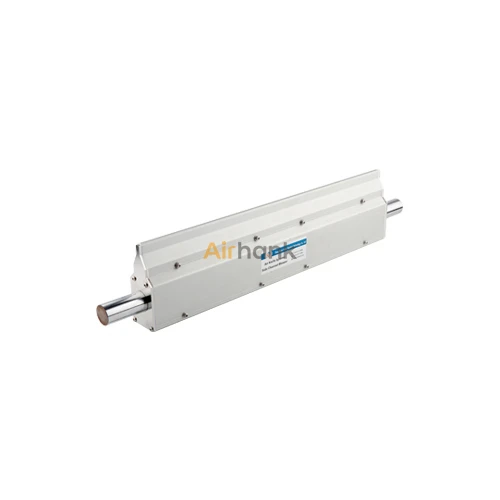
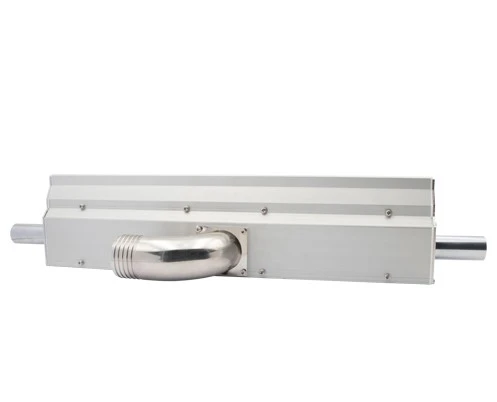
The design of an aluminum alloy air knife air blade is a key factor in its energy - saving capabilities. Aluminum alloy is chosen for its lightweight yet durable properties. Compared to other materials, such as stainless steel, aluminum alloy reduces the overall weight of the air knife. This is important because lighter equipment requires less energy to move and install. Additionally, the manufacturing process of aluminum alloy air knives allows for precise shaping and machining, enabling the creation of highly efficient air channels.
The air channels in an aluminum alloy air knife are designed to optimize the flow of compressed air. By carefully controlling the shape and size of these channels, the air knife can convert the high - pressure, low - volume air from the compressor into a high - velocity, low - pressure air stream. This process is based on the principle of the Coanda effect. The Coanda effect describes the tendency of a fluid jet to attach itself to a nearby surface and follow its curvature. In an aluminum alloy air knife, the air is directed along a specially designed surface, which causes it to entrain surrounding air. As a result, a large volume of air is moved with relatively little input of compressed air.
For example, a well - designed aluminum alloy air knife can entrain up to 40 times the volume of the primary compressed air. This means that for the same amount of work, significantly less compressed air is required compared to traditional air - blowing methods. Since compressed air is one of the most expensive forms of energy in industrial settings, this reduction in compressed air consumption leads to substantial energy savings.
Operational Efficiency
The operational efficiency of an aluminum alloy air knife air blade is another aspect that contributes to energy savings. These air knives are often used in conjunction with variable - speed drives (VSDs) or pressure regulators. VSDs allow the speed of the compressor to be adjusted according to the actual demand. When the air knife does not need to operate at full capacity, the compressor can slow down, reducing energy consumption.
Pressure regulators are also crucial in optimizing the operation of the air knife. They ensure that the air pressure at the air knife is maintained at the optimal level. If the pressure is too high, it not only wastes energy but can also cause damage to the product being dried or cleaned. On the other hand, if the pressure is too low, the air knife may not perform its function effectively. By precisely controlling the air pressure, the air knife can operate at peak efficiency, using only the amount of energy necessary to achieve the desired results.
In addition, aluminum alloy air knives are designed for easy maintenance. Regular maintenance is essential for ensuring the long - term energy efficiency of the air knife. A clean and well - maintained air knife has less internal resistance, which allows the air to flow more freely. This means that less energy is required to move the air through the air knife. For instance, clogged air channels can significantly increase the energy consumption of the air knife. By providing easy access to the internal components for cleaning and inspection, aluminum alloy air knives make it easier for operators to keep the equipment in good working condition.
Real - World Applications and Energy Savings
Aluminum alloy air knives are widely used in a variety of industries, including food and beverage, automotive, and electronics. In the food and beverage industry, air knives are used for drying products after washing or cooling. For example, in a beverage bottling plant, aluminum alloy air knives can be used to dry the outside of bottles before labeling. By using an air knife instead of traditional methods such as hot air blowers, the plant can save a significant amount of energy. Hot air blowers require a large amount of energy to heat the air, while air knives rely on the high - velocity air stream to remove moisture, which is much more energy - efficient.
In the automotive industry, air knives are used for cleaning and drying parts during the manufacturing process. Aluminum alloy air knives can quickly and efficiently remove water, oil, and debris from car parts. This not only improves the quality of the finished product but also reduces the energy consumption associated with traditional cleaning methods. For instance, a car parts manufacturing plant that switched from using high - pressure water jets to aluminum alloy air knives reported a 30% reduction in energy costs.
The electronics industry also benefits from the energy - saving properties of aluminum alloy air knives. In electronics manufacturing, air knives are used for drying circuit boards and removing dust particles. The high - precision design of these air knives ensures that the delicate electronic components are not damaged during the drying process. At the same time, the energy savings achieved through reduced compressed air consumption are significant. For example, an electronics factory that installed aluminum alloy air knives in its production line saw a 25% decrease in its energy bill related to air - blowing operations.
Comparison with Other Technologies
When compared to other air - blowing technologies, such as SA stainless Steel Air Knife Drying system and Industrial Film Drying Air Knife with Regenerative Blower, aluminum alloy air knives have several advantages in terms of energy savings.
Stainless steel air knives, while durable and suitable for some harsh environments, are generally heavier and less energy - efficient than aluminum alloy air knives. The higher weight of stainless steel requires more energy to move and install, and the internal air channels may not be as optimized for the Coanda effect. As a result, stainless steel air knives typically consume more compressed air for the same amount of work.
Air knives with regenerative blowers are another alternative. While regenerative blowers can provide a continuous supply of air, they often require more energy to operate compared to aluminum alloy air knives. Regenerative blowers need to run constantly to maintain the air flow, and their efficiency may decrease over time due to wear and tear. In contrast, aluminum alloy air knives can be turned on and off as needed, and their energy consumption can be precisely controlled through the use of VSDs and pressure regulators.
Conclusion and Call to Action
In conclusion, an aluminum alloy air knife air blade offers significant energy - saving benefits through its design features, operational efficiency, and real - world applications. By optimizing the flow of compressed air using the Coanda effect, these air knives can reduce the consumption of one of the most expensive forms of industrial energy. The ability to adjust the operation of the air knife according to demand, along with easy maintenance, further enhances its energy - saving capabilities.
If you are looking for an energy - efficient solution for your industrial air - blowing needs, consider Aluminum Alloy Air Knife Air Blade. Our company is a leading supplier of high - quality aluminum alloy air knives, and we are committed to helping our customers achieve their energy - saving goals. Whether you are in the food and beverage, automotive, electronics, or any other industry, our air knives can provide a cost - effective and energy - efficient solution. Contact us today to discuss your specific requirements and explore how our aluminum alloy air knife air blades can benefit your business.
References
- Bernoulli, D. (1738). Hydrodynamica.
- Coanda, H. (1936). "The Coanda Effect and Its Applications".
- ASHRAE Handbook: Fundamentals. American Society of Heating, Refrigerating and Air - Conditioning Engineers.