

Can an air compressor pneumatic air knife be used in a corrosive environment?
Can an air compressor pneumatic air knife be used in a corrosive environment? This is a question that often arises among industrial users, especially those in sectors where corrosive substances are prevalent. As a supplier of Air Compressor Pneumatic Air Knife, I am well - versed in the capabilities and limitations of these tools in various environments.
Understanding Air Compressor Pneumatic Air Knives
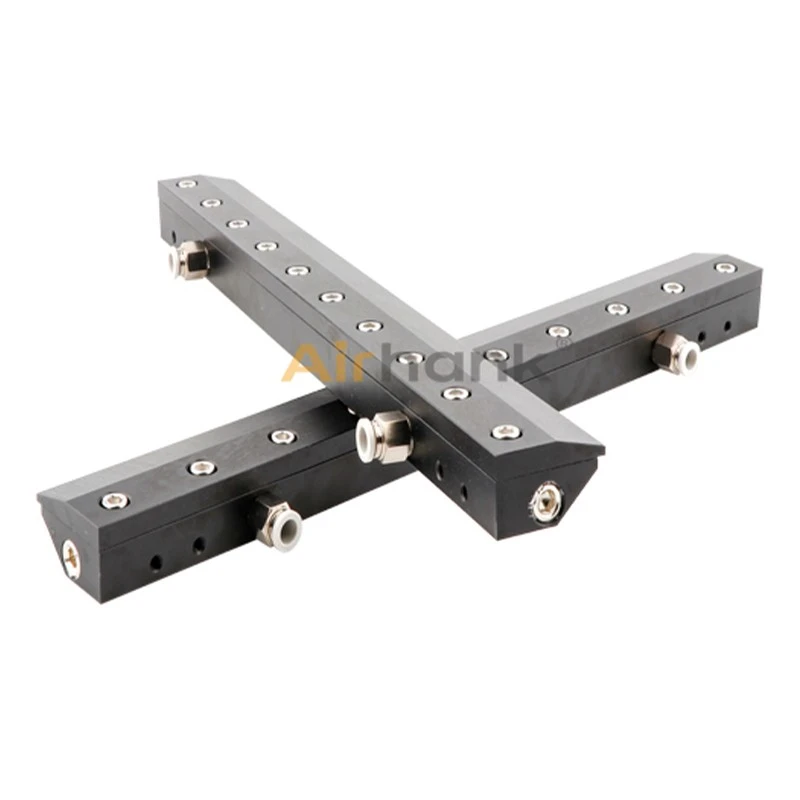
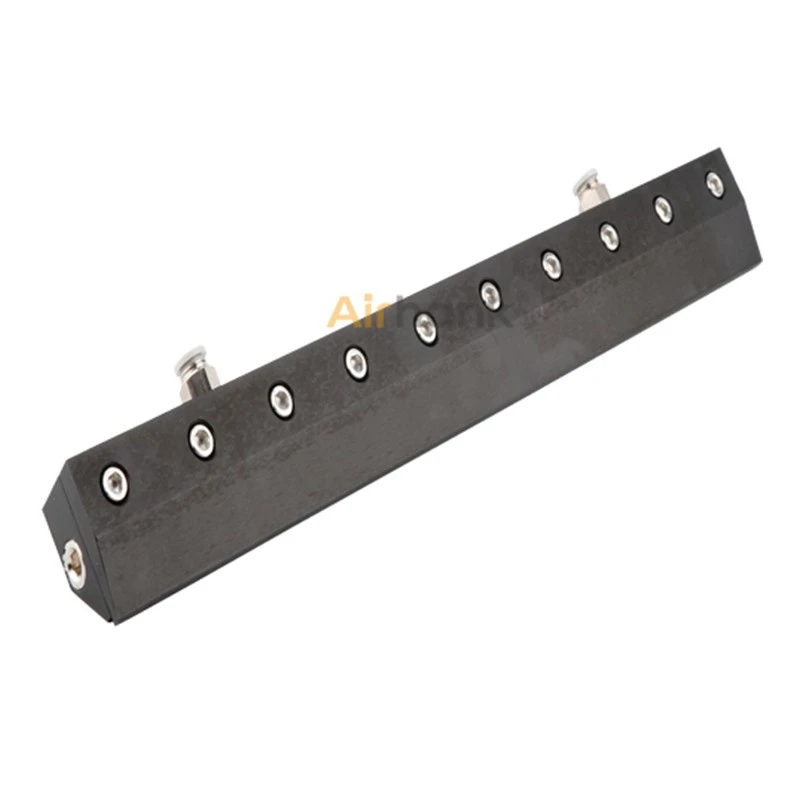
Before delving into their use in corrosive environments, it's essential to understand what an air compressor pneumatic air knife is. An air knife is a device that uses compressed air to create a high - velocity, uniform curtain of air. This curtain can be used for a variety of applications, such as drying, cleaning, and blow - off operations in industrial settings.
The basic principle behind an air knife involves the conversion of compressed air energy into a powerful, laminar airflow. The air compressor supplies the necessary compressed air, which is then channeled through the air knife's specially designed nozzle. The result is a thin, but forceful, sheet of air that can effectively remove moisture, debris, or other contaminants from surfaces.
Corrosive Environments: A Challenge for Equipment
Corrosive environments are characterized by the presence of chemicals, acids, alkalis, or other substances that can cause the deterioration of materials over time. Industries such as chemical processing, food and beverage, and wastewater treatment often deal with such conditions. In these settings, equipment durability is a critical factor, as corrosion can lead to reduced performance, increased maintenance costs, and even equipment failure.
When it comes to air compressor pneumatic air knives, the main concern in a corrosive environment is the potential damage to the air knife's components. The housing, nozzles, and internal passages of the air knife can be susceptible to corrosion if they are not properly protected. Corrosion can cause pitting, scaling, and eventually, the breakdown of the material, which can affect the airflow pattern and the overall efficiency of the air knife.
Factors Affecting the Use of Air Knives in Corrosive Environments
Several factors need to be considered when determining whether an air compressor pneumatic air knife can be used in a corrosive environment.
Material Selection
The choice of materials for the air knife is crucial. Stainless steel is a popular choice for corrosive environments due to its high resistance to rust and corrosion. It contains chromium, which forms a passive oxide layer on the surface, protecting the underlying metal from further oxidation. Other corrosion - resistant materials, such as aluminum alloys with special coatings or plastics, can also be used depending on the specific corrosive agents present.
Coating and Surface Treatment
In addition to using corrosion - resistant materials, applying protective coatings can further enhance the air knife's durability. Epoxy coatings, for example, can provide a barrier between the air knife's surface and the corrosive substances. These coatings can be applied to the exterior and interior surfaces of the air knife to prevent direct contact with the corrosive agents.
Air Quality
The quality of the compressed air supplied to the air knife is also important. Moisture and contaminants in the compressed air can accelerate corrosion. Therefore, proper air treatment, such as using air dryers and filters, is necessary to remove moisture, oil, and other impurities from the compressed air before it enters the air knife.
Case Studies: Air Knives in Corrosive Environments
Let's look at some real - world examples of how air compressor pneumatic air knives have been used in corrosive environments.
In a chemical processing plant, an air knife was required to dry chemical containers before they were labeled. The environment was highly corrosive due to the presence of strong acids and alkalis. By using a stainless - steel air knife with a special epoxy coating, the plant was able to achieve efficient drying while minimizing the risk of corrosion. The air knife was also equipped with a high - quality air dryer and filter system to ensure that the compressed air was clean and dry.
In the food and beverage industry, air knives are often used to remove excess water from bottles and cans. The environment can be corrosive due to the presence of food acids and cleaning agents. A TA series air knife drying system made of corrosion - resistant materials was installed in a bottling plant. This system not only provided effective drying but also had a long service life, reducing maintenance and replacement costs.
Benefits of Using Air Knives in Corrosive Environments
Despite the challenges, there are several benefits to using air compressor pneumatic air knives in corrosive environments.
Efficiency
Air knives can provide a fast and efficient way to dry or clean surfaces. The high - velocity airflow can quickly remove moisture or debris, reducing production time and increasing productivity.
Cost - Effectiveness
Compared to other drying or cleaning methods, air knives can be more cost - effective in the long run. They require less energy and maintenance, especially when properly designed and maintained for corrosive environments.
Versatility
Air knives can be customized to meet the specific requirements of different applications. They can be adjusted in terms of airflow velocity, width, and angle, making them suitable for a wide range of industrial processes in corrosive environments.
Precautions and Maintenance
To ensure the long - term performance of air compressor pneumatic air knives in corrosive environments, certain precautions and maintenance practices should be followed.
Regular inspection of the air knife is essential to detect any signs of corrosion or damage. This includes checking the housing, nozzles, and internal passages for pitting, scaling, or other forms of deterioration. Any damaged components should be replaced immediately to prevent further corrosion and ensure the proper functioning of the air knife.
Proper cleaning of the air knife is also important. Depending on the nature of the corrosive substances, different cleaning methods may be required. For example, in some cases, a mild detergent solution can be used to clean the air knife, while in other cases, more specialized cleaning agents may be necessary.
Conclusion
In conclusion, an air compressor pneumatic air knife can be used in a corrosive environment, but it requires careful consideration of material selection, coating, air quality, and maintenance. With the right design and proper precautions, air knives can provide efficient and cost - effective solutions for drying, cleaning, and blow - off operations in industries where corrosive substances are present.
If you are looking for an air compressor pneumatic air knife for your corrosive environment application, we are here to help. Our team of experts can assist you in selecting the right air knife based on your specific requirements. We offer a wide range of air knives made from corrosion - resistant materials and equipped with advanced features to ensure optimal performance. Contact us today to start a procurement discussion and find the best solution for your industrial needs.
References
- ASM Handbook Committee. (2003). ASM Handbook, Volume 13A: Corrosion: Fundamentals, Testing, and Protection. ASM International.
- Schweitzer, P. A. (2011). Corrosion Resistance Tables, 5th Edition. McGraw - Hill Professional.