

Can a rotary air spray gun be used for spraying on stainless steel surfaces?
Can a Rotary Air Spray Gun Be Used for Spraying on Stainless Steel Surfaces?
As a supplier of rotary air spray guns, I am frequently asked whether our products are suitable for spraying on stainless steel surfaces. The answer is a resounding yes, but with some important considerations and parameters to keep in mind. In this blog, I'll explore the technical details of rotary air spray guns, their advantages for stainless steel applications, and the best practices to ensure a successful paint job.
Understanding Rotary Air Spray Guns
Rotary air spray guns are a type of paint spraying equipment that uses compressed air to atomize paint and propel it onto a surface. They are known for their high transfer efficiency, which means they can apply more paint to the target surface and reduce overspray, saving both paint and time. The gun's unique rotary head mechanism evenly distributes the paint, creating a smooth and consistent finish.
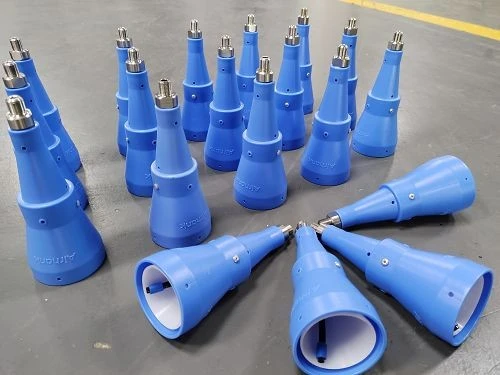
The 50mm Air Spray Gun Nozzle Air Compressor is an excellent example of a high - performance rotary air spray gun. It features a 50mm nozzle, which is designed to provide a wide spray pattern, making it ideal for large - scale or detailed stainless steel projects. The nozzle is also engineered to work in conjunction with an air compressor, ensuring the right amount of pressure and flow for optimal paint atomization.
Why Use a Rotary Air Spray Gun on Stainless Steel
Surface Finish
Stainless steel is a popular material in various industries, including automotive, aerospace, and kitchenware, due to its corrosion resistance and sleek appearance. When it comes to painting stainless steel, achieving a smooth and uniform finish is crucial. Rotary air spray guns are capable of producing extremely fine paint droplets, which can create a flawless, professional - looking finish on stainless steel surfaces.
Adhesion
Proper adhesion of paint to stainless steel is essential for long - lasting protection and a good appearance. Unlike some other spraying methods, rotary air spray guns can apply paint in a way that promotes better adhesion. The even distribution of paint and the ability to control the spray pattern ensure that the paint adheres evenly to the stainless steel surface, reducing the risk of peeling or chipping.
Efficiency
In large - scale manufacturing or maintenance operations where multiple stainless steel items need to be painted, efficiency is key. Rotary air spray guns can cover a large area quickly, thanks to their wide spray patterns and high transfer efficiency. This not only saves time but also reduces labor costs.
Preparing the Stainless Steel Surface
Before using a rotary air spray gun to apply paint to stainless steel, proper surface preparation is essential.
Cleaning
Stainless steel surfaces can have oils, dirt, or contaminants that can prevent paint from adhering properly. Cleaning the surface thoroughly with a degreaser is the first step. Then, use a solvent - based cleaner to remove any remaining residues. Rinse the surface with clean water and allow it to dry completely.
Abrasion
Even though stainless steel has a smooth surface, a light abrasion can help the paint adhere better. Use a fine - grit sandpaper or a scuff pad to roughen the surface slightly. Be careful not to scratch the stainless steel too deeply, as this can compromise its appearance and integrity. After abrasion, wipe the surface with a clean, lint - free cloth to remove any dust.
Priming
Applying a primer specifically designed for stainless steel is highly recommended. A good primer will provide a better base for the paint, enhance adhesion, and improve the overall durability of the paint job. Use the rotary air spray gun to apply the primer in a thin, even coat, following the manufacturer's instructions for drying time.
Using the Rotary Air Spray Gun
Selecting the Right Paint
Choose a paint that is suitable for stainless steel. Epoxy - based paints, for example, are known for their excellent adhesion and corrosion resistance on stainless steel surfaces. Make sure to select a paint with the right viscosity for the rotary air spray gun. The viscosity affects the atomization of the paint and the quality of the spray pattern.
Setting the Gun
Adjust the air pressure and fluid flow of the rotary air spray gun according to the paint manufacturer's recommendations and the type of stainless steel project. For a 50mm nozzle like the one on the 50mm Air Spray Gun Nozzle Air Compressor, a higher air pressure may be required for thicker paints or larger spray patterns. Practice on a spare piece of stainless steel to get the settings right before starting the actual project.
Spraying Technique
Hold the rotary air spray gun perpendicular to the stainless steel surface and maintain a consistent distance (usually around 6 - 8 inches). Move the gun in a smooth, overlapping motion to ensure even coverage. Start and stop the spray outside the target area to avoid uneven paint buildup. Apply multiple thin coats rather than one thick coat, allowing each coat to dry before applying the next. This will result in a more durable and professional - looking finish.

Troubleshooting
Even with proper surface preparation and correct gun settings, you may encounter some issues when spraying stainless steel with a rotary air spray gun.
Orange Peel Effect
If the paint finish has a texture similar to an orange peel, it could be due to incorrect air pressure, wrong paint viscosity, or improper spraying technique. Adjust the air pressure and fluid flow, and make sure to apply the paint in thin, even coats.
Runs and Drips
Runs and drips occur when too much paint is applied in one area. Reduce the fluid flow of the gun and apply thinner coats. If you notice runs during the spraying process, use a clean brush to level the paint before it dries.
Poor Adhesion
If the paint is not adhering well to the stainless steel surface, check if the surface was properly cleaned and prepared. You may need to re - clean and abrade the surface and apply a new layer of primer.
Conclusion
In conclusion, rotary air spray guns are an excellent choice for spraying on stainless steel surfaces. They offer high transfer efficiency, a smooth finish, and good adhesion. By following the proper surface preparation steps, selecting the right paint, and using the correct spraying technique, you can achieve a professional and long - lasting paint job on stainless steel.
If you are interested in purchasing a rotary air spray gun for your stainless steel painting projects or have any questions about our products, please feel free to contact us for a detailed discussion. We are committed to providing high - quality products and professional advice to help you achieve the best results.
References
- PPG Industries. "Guidelines for Painting Stainless Steel."
- Graco Inc. "Rotary Air Spray Gun User Manual."
- Sherwin - Williams. "Stainless Steel Painting Best Practices."