

Can a 1.5hp vacuum pump air blower be used for aquarium aeration?
Can a 1.5hp Vacuum Pump Air Blower Be Used for Aquarium Aeration?
As a supplier of 1.5hp vacuum pump air blowers, I often get asked whether our product can be used for aquarium aeration. This is a valid question, considering the specific requirements of maintaining a healthy aquatic environment. In this blog post, I'll delve into the technical aspects, advantages, and potential drawbacks of using a 1.5hp vacuum pump air blower for aquarium aeration.
Understanding the Basics of Aquarium Aeration
Before we discuss the suitability of a 1.5hp vacuum pump air blower, it's essential to understand why aeration is crucial for aquariums. Aquatic life, such as fish and plants, need oxygen to survive. In a closed aquarium system, the natural exchange of oxygen from the air to the water is limited. Aeration helps to increase the oxygen levels in the water, which is vital for the well - being of the aquarium inhabitants. It also aids in the removal of carbon dioxide and other harmful gases from the water, preventing the build - up of toxins that can be detrimental to the fish.
Technical Specifications of a 1.5hp Vacuum Pump Air Blower
A 1.5hp vacuum pump air blower is a relatively powerful device. It is designed to generate a significant amount of airflow and pressure. The horsepower (hp) is a unit of power that indicates the strength of the motor driving the blower. A 1.5hp motor can produce a high - volume air output, which is measured in cubic feet per minute (CFM).
The 1.5HP Vacuum Pump Air Blower we supply is engineered with advanced technology to ensure efficient and reliable performance. It has a robust construction that can withstand continuous operation, making it suitable for various applications, including aquarium aeration.
Advantages of Using a 1.5hp Vacuum Pump Air Blower for Aquarium Aeration
- High Airflow: One of the main advantages of using a 1.5hp vacuum pump air blower is its high airflow capacity. This means that it can quickly and effectively oxygenate a large volume of water. For large aquariums or those with a high density of fish, a high - airflow blower can ensure that there is an adequate supply of oxygen throughout the tank.
- Power and Efficiency: The 1.5hp motor provides sufficient power to drive the blower, resulting in efficient operation. It can maintain a consistent airflow, which is essential for stable oxygen levels in the aquarium. Moreover, modern 1.5hp vacuum pump air blowers are designed to be energy - efficient, which can help reduce the overall operating costs.
- Durability: Our 1.5hp vacuum pump air blowers are built to last. They are made from high - quality materials that can resist corrosion and wear, even in a wet and humid environment like an aquarium. This durability ensures that the blower will provide reliable service for an extended period, reducing the need for frequent replacements.
Potential Drawbacks
- Noise: A 1.5hp vacuum pump air blower can be relatively noisy, especially when operating at full capacity. This can be a concern, especially if the aquarium is located in a quiet area such as a bedroom or a living room. However, many models come with noise - reduction features, such as sound - insulating enclosures, which can help mitigate this issue.
- Over - Aeration: The high airflow of a 1.5hp blower can potentially lead to over - aeration in smaller aquariums. Over - aeration can cause excessive water movement, which may stress the fish and disrupt the natural balance of the aquarium ecosystem. It is important to carefully regulate the airflow to avoid this problem.
Considerations for Using a 1.5hp Vacuum Pump Air Blower in an Aquarium
- Aquarium Size: The size of the aquarium is a crucial factor to consider. A 1.5hp vacuum pump air blower is best suited for large aquariums with a volume of several hundred gallons or more. For smaller aquariums, a less powerful blower may be more appropriate to avoid over - aeration.
- Air Diffusers: To ensure even distribution of air in the aquarium, it is recommended to use air diffusers. These devices break up the air into small bubbles, which increases the surface area for oxygen exchange and reduces the risk of excessive water movement.
- Maintenance: Regular maintenance is essential to keep the blower in good working condition. This includes cleaning the air intake filters, checking the motor for any signs of wear, and ensuring that all connections are secure.
Comparison with Other Aeration Devices
There are other types of aeration devices available for aquariums, such as diaphragm air pumps and air stones. Diaphragm air pumps are typically quieter and more suitable for small to medium - sized aquariums. They are also more affordable. However, they have a lower airflow capacity compared to a 1.5hp vacuum pump air blower.
Air stones are simple and inexpensive aeration devices that can be used in combination with a blower or a pump. They create small bubbles in the water, which helps to increase oxygen levels. However, they rely on an external air source, and a 1.5hp vacuum pump air blower can provide a more powerful and consistent air supply.
Other Products in Our Range
In addition to the 1.5hp vacuum pump air blower, we also offer other high - quality products for various applications. Our 7.5KW Soplador De Aire Ring Blower is a powerful device that can be used for larger industrial or commercial aquariums. It has a higher airflow and pressure capacity, making it suitable for demanding applications.
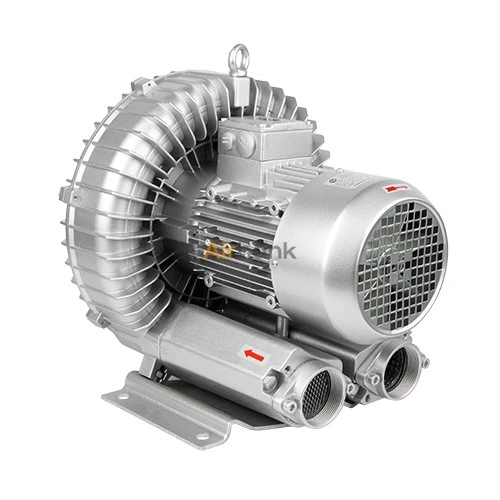

Our 18.5KW High Airflow Super Air Blower is designed for the most challenging environments. It can provide an extremely high volume of air, which is ideal for large - scale aquaculture facilities.
Conclusion
In conclusion, a 1.5hp vacuum pump air blower can be a suitable option for aquarium aeration, especially for large aquariums. It offers high airflow, power, and durability, but it also has some potential drawbacks, such as noise and the risk of over - aeration. By carefully considering the aquarium size, using appropriate air diffusers, and performing regular maintenance, these issues can be minimized.
If you are interested in our 1.5hp vacuum pump air blower or any of our other products for aquarium aeration, we encourage you to reach out to us for a detailed discussion. Our team of experts can provide you with more information and help you select the best product for your specific needs.
References
- Spotte, S. (1970). Captive Seawater Fishes: Their Selection, Maintenance, and Breeding. Wiley - Interscience.
- Fenner, R. M. (2001). The Conscientious Marine Aquarist: A Commonsense Handbook for Successful Saltwater Hobbyists. Microcosm Ltd.