

Are there different grades of ea aluminium alloy for standard air knives?
As a supplier of EA aluminium alloy standard air knives, I've encountered numerous inquiries regarding the existence of different grades of EA aluminium alloy for these essential industrial tools. This topic is not only crucial for those in the market for air knives but also for understanding how the choice of alloy can impact performance, durability, and cost. In this blog, I'll delve into the details of EA aluminium alloy grades in the context of standard air knives, providing insights that can help you make an informed decision for your industrial needs.
Understanding EA Aluminium Alloy in Air Knives
Aluminium alloys are widely used in air knife manufacturing due to their excellent combination of properties. EA aluminium alloy, in particular, offers a balance of strength, corrosion resistance, and light weight, making it an ideal material for air knives. These air knives are used in a variety of industrial applications, including drying, cleaning, and coating processes.
The performance of an air knife is largely determined by its design and the quality of the materials used. The choice of aluminium alloy grade can significantly affect the air knife's durability, efficiency, and overall performance. Different grades of EA aluminium alloy have varying compositions, which in turn influence their mechanical and chemical properties.
Different Grades of EA Aluminium Alloy
There are indeed different grades of EA aluminium alloy available for standard air knives. These grades are typically classified based on their chemical composition, specifically the percentage of alloying elements such as copper, magnesium, silicon, and zinc. Each grade offers unique properties that make it suitable for different applications.
- Grade 1: High Purity EA Aluminium Alloy
This grade of EA aluminium alloy contains a high percentage of pure aluminium, typically over 99%. It offers excellent corrosion resistance and is often used in applications where the air knife will be exposed to harsh chemicals or environments. The high purity also makes it a good choice for applications where cleanliness is a priority, such as in the food and beverage industry. Aluminum Alloy Air Knife Air Blade - Grade 2: Medium Strength EA Aluminium Alloy
Grade 2 EA aluminium alloy contains a moderate amount of alloying elements, which gives it a good balance of strength and corrosion resistance. This grade is commonly used in general industrial applications where the air knife needs to withstand moderate stress and wear. It is also a cost-effective option for many applications. - Grade 3: High Strength EA Aluminium Alloy
Grade 3 EA aluminium alloy is designed for applications that require high strength and durability. It contains a higher percentage of alloying elements, such as copper and magnesium, which enhance its mechanical properties. This grade is often used in heavy-duty industrial applications, such as in the automotive and aerospace industries.
Factors Influencing the Choice of Alloy Grade
When selecting the appropriate grade of EA aluminium alloy for a standard air knife, several factors need to be considered. These factors will help ensure that the air knife meets the specific requirements of your application.
- Application Environment
The environment in which the air knife will be used is a critical factor in determining the appropriate alloy grade. If the air knife will be exposed to corrosive chemicals, high humidity, or extreme temperatures, a grade with high corrosion resistance and thermal stability should be chosen. For example, in a chemical processing plant, a high purity EA aluminium alloy may be the best choice. - Performance Requirements
The performance requirements of the air knife, such as air flow rate, pressure, and uniformity, also influence the choice of alloy grade. Higher strength alloys may be required for applications that demand high air flow rates and pressures, as they can withstand the increased stress without deforming. - Cost Considerations
Cost is always a factor in any purchasing decision. While higher grade alloys may offer superior performance, they also come at a higher cost. It is important to balance the performance requirements with the budget to find the most cost-effective solution.
Impact of Alloy Grade on Air Knife Performance
The choice of EA aluminium alloy grade can have a significant impact on the performance of a standard air knife. Here are some ways in which the alloy grade can affect the air knife's performance:
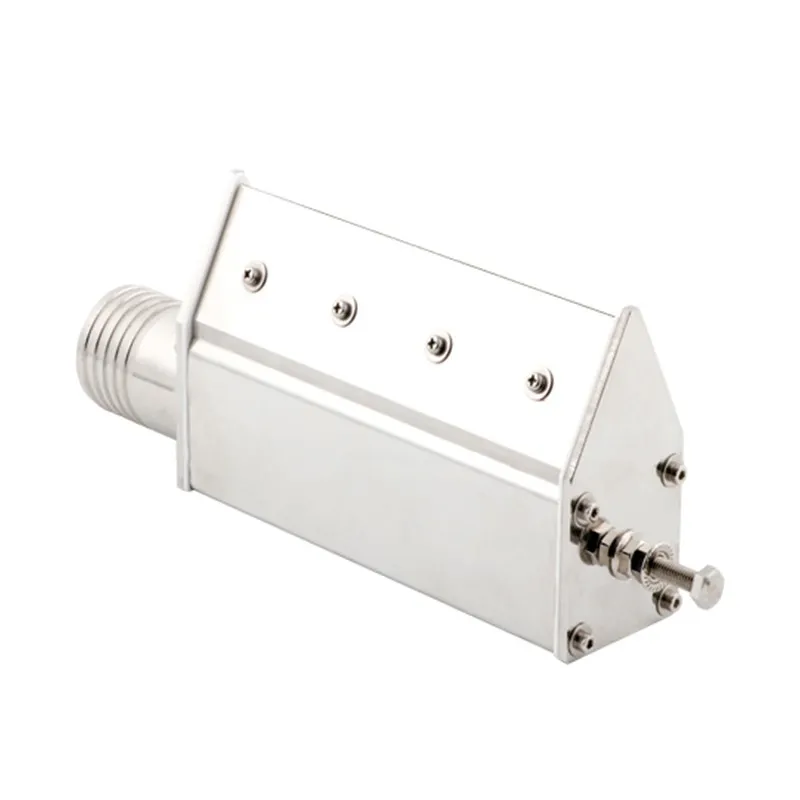

- Durability
Higher grade alloys generally offer better durability and resistance to wear and tear. This means that the air knife will have a longer service life, reducing the need for frequent replacements. In applications where the air knife is subjected to high stress or abrasive materials, a high strength EA aluminium alloy is recommended. - Efficiency
The alloy grade can also affect the air knife's efficiency. A well-designed air knife made from a high-quality alloy will have better air flow characteristics, resulting in higher air flow rates and lower energy consumption. This can lead to significant cost savings over the long term. - Uniformity
The uniformity of the air flow is crucial for many applications, such as drying and coating processes. Higher grade alloys can provide better dimensional stability, ensuring that the air knife maintains a consistent air flow pattern over time.
Real-World Applications
To illustrate the importance of choosing the right EA aluminium alloy grade for a standard air knife, let's look at some real-world applications:
- Food and Beverage Industry
In the food and beverage industry, cleanliness and corrosion resistance are of utmost importance. A high purity EA aluminium alloy is often used in air knives for this industry, as it is resistant to food acids and other contaminants. These air knives are used for drying and cleaning food products, as well as for removing excess moisture from packaging materials. Industrial Film Drying Air Knife with Regenerative Blower - Automotive Industry
The automotive industry requires air knives that can withstand high stress and wear. High strength EA aluminium alloys are commonly used in air knives for automotive applications, such as paint drying and component cleaning. These air knives need to provide a high air flow rate and pressure to ensure efficient and uniform drying. - Electronics Industry
In the electronics industry, precision and cleanliness are essential. Air knives made from a high-quality EA aluminium alloy are used for removing dust and debris from electronic components during the manufacturing process. The alloy's corrosion resistance and dimensional stability ensure that the air knife does not contaminate the components and maintains a consistent air flow pattern.
Conclusion
In conclusion, there are different grades of EA aluminium alloy available for standard air knives, each with its own unique properties and applications. The choice of alloy grade depends on several factors, including the application environment, performance requirements, and cost considerations. By understanding the characteristics of different EA aluminium alloy grades, you can select the most suitable air knife for your specific needs.
As a supplier of EA aluminium alloy standard air knives, I am committed to providing high-quality products that meet the diverse needs of our customers. If you have any questions or need assistance in selecting the right air knife for your application, please feel free to contact us for a consultation. We look forward to working with you to find the best solution for your industrial needs.
References
- Smith, J. (2020). Aluminium Alloys: Properties and Applications. New York: Wiley.
- Jones, R. (2019). Air Knife Technology: Principles and Applications. London: Elsevier.