

What noise level does an rbt double stage side channel blower produce?
As a supplier of RBT double stage side channel blowers, I often receive inquiries from customers about the noise levels these blowers produce. Understanding the noise characteristics of our blowers is crucial for our clients, as it can impact the overall working environment and the suitability of the blower for specific applications. In this blog post, I'll delve into the factors that influence the noise level of an RBT double stage side channel blower, how we measure it, and what you can expect in different scenarios.
Understanding the Basics of RBT Double Stage Side Channel Blowers
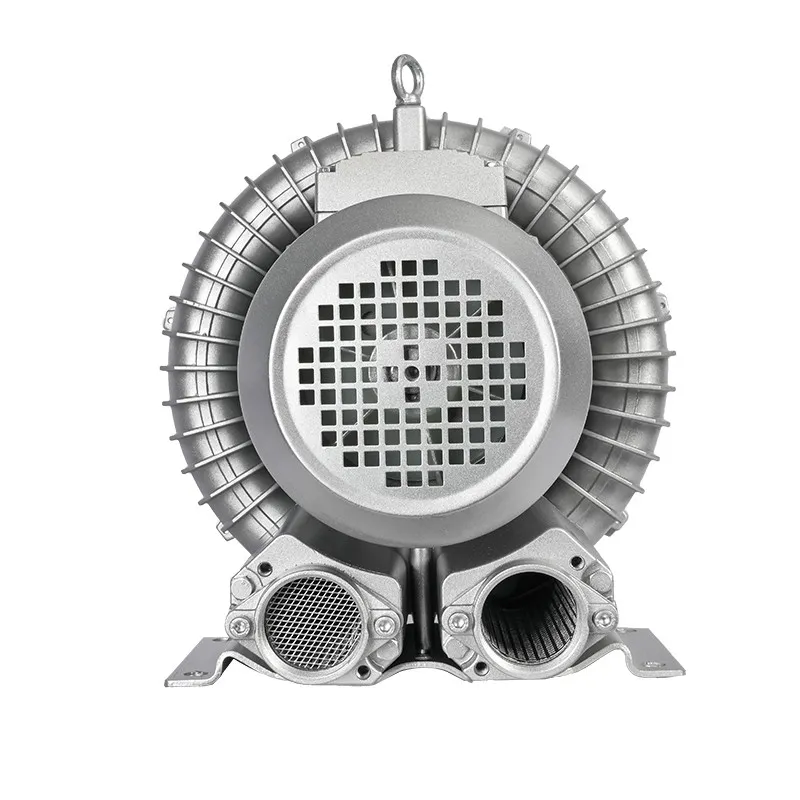
Before we discuss the noise levels, let's briefly understand what an RBT double stage side channel blower is. These blowers are known for their high-pressure capabilities and are widely used in various industrial applications, such as Pump Turbine Side Channel Blower. They operate by using rotating impellers to create a flow of air or gas through a side channel, which is then compressed and discharged at a higher pressure.
Factors Affecting the Noise Level
Several factors can influence the noise level produced by an RBT double stage side channel blower. Here are some of the key ones:
1. Rotational Speed
The rotational speed of the blower's impeller is one of the most significant factors affecting noise. Generally, the higher the rotational speed, the louder the blower will be. This is because the faster the impeller rotates, the more air it moves, and the more turbulence is created, resulting in increased noise.
2. Design and Construction
The design and construction of the blower also play a crucial role in determining its noise level. Well-designed blowers with high-quality components and precise manufacturing processes tend to produce less noise. For example, blowers with balanced impellers and smooth internal surfaces can reduce vibration and noise.
3. Operating Conditions
The operating conditions of the blower, such as the pressure and flow rate, can also impact the noise level. When the blower is operating at high pressure or flow rates, it may produce more noise due to the increased air movement and turbulence.
4. Installation and Mounting
Proper installation and mounting of the blower are essential for minimizing noise. If the blower is not installed correctly or is mounted on an unstable surface, it can vibrate and produce additional noise. Using vibration isolators and ensuring a secure installation can help reduce noise transmission.
Measuring the Noise Level
To accurately measure the noise level of an RBT double stage side channel blower, we use a sound level meter. The sound level meter measures the sound pressure level in decibels (dB). The noise level is typically measured at a specific distance from the blower, usually 1 meter away, and at a height of 1.5 meters above the ground.
Typical Noise Levels
The noise level of an RBT double stage side channel blower can vary depending on the model and operating conditions. Generally, the noise level ranges from 60 dB to 85 dB. For example, smaller blowers with lower rotational speeds may produce noise levels around 60 dB, while larger blowers operating at high speeds and pressures may reach up to 85 dB.
It's important to note that these are just typical noise levels, and the actual noise level may vary depending on the specific blower and its operating conditions. We always provide detailed noise level information in our product specifications to help our customers make informed decisions.
Noise Reduction Strategies
If the noise level of an RBT double stage side channel blower is a concern for your application, there are several strategies you can implement to reduce it:
1. Select the Right Blower
Choosing the right blower for your application is crucial. Consider the required pressure and flow rate, as well as the noise level requirements. Opt for a blower with a lower rotational speed and a well-designed noise-reducing enclosure.
2. Use Sound Enclosures
Installing a sound enclosure around the blower can significantly reduce the noise level. Sound enclosures are designed to absorb and isolate the noise, preventing it from spreading to the surrounding environment.

3. Implement Vibration Isolation
Using vibration isolators can help reduce the noise transmitted through the blower's mounting surface. Vibration isolators absorb the vibrations and prevent them from being transferred to the surrounding structure.
4. Regular Maintenance
Regular maintenance of the blower is essential for ensuring optimal performance and reducing noise. Keep the blower clean, lubricate the moving parts, and check for any signs of wear or damage.
Applications and Noise Considerations
Different applications may have different noise level requirements. Here are some common applications of RBT double stage side channel blowers and the noise considerations for each:
1. Pump Turbine Side Channel Blower
In pump turbine applications, noise may not be a major concern as these systems are often located in industrial settings where background noise is already high. However, if the blower is installed in a more sensitive area, such as near an office or residential building, noise reduction measures may be necessary.
2. Dedicated Drying System BlowerRBG810 5D5C
Drying systems are often used in commercial and industrial settings where noise can be a significant issue. In these applications, it's important to choose a blower with a low noise level and implement noise reduction strategies to ensure a comfortable working environment.
Contact Us for More Information
If you're interested in learning more about the noise levels of our RBT double stage side channel blowers or have any other questions, please don't hesitate to contact us. We have a team of experts who can provide you with detailed information and help you select the right blower for your application. Whether you're looking for a Pump Turbine Side Channel Blower or a Dedicated Drying System BlowerRBG810 5D5C, we're here to assist you.
References
- Manufacturer's product documentation
- Industry standards and guidelines for noise measurement and control