

What is the start - up procedure for a pump turbine side channel blower?
Hey there! As a supplier of pump turbine side channel blowers, I'm super excited to walk you through the startup procedure of these nifty machines. Whether you're a newbie or someone looking to brush up on their blower knowledge, this post is for you.
First things first, let's talk a bit about what a pump turbine side channel blower is. A Pump Turbine Side Channel Blower is a type of blower that uses a side channel design to generate high pressure and high flow rates. It's widely used in various industries, such as wastewater treatment, pneumatic conveying, and industrial drying.
Now, let's get into the startup procedure.
Pre - startup Checks
Before you even think about firing up the blower, you need to do a thorough pre - startup check. This is crucial to ensure the blower runs smoothly and safely.
Visual Inspection
Take a good look at the blower. Check for any obvious signs of damage, like cracks in the housing, loose bolts, or bent blades. Make sure all the connections are tight, including electrical connections and piping connections. Also, check the oil level if your blower has an oil - lubricated bearing. If the oil level is low, top it up to the recommended level.
Filter Check
The air filter is an important part of the blower. A clogged filter can restrict the airflow and reduce the blower's performance. So, check the filter and clean or replace it if necessary. A clean filter will not only improve the blower's efficiency but also extend its lifespan.
Rotation Check
Before powering on the blower, manually rotate the impeller. You can do this by hand (make sure the power is off). The impeller should rotate freely without any grinding or scraping noises. If you feel any resistance or hear strange noises, there might be an issue with the bearings or the impeller itself, and you should investigate further.
Electrical Checks
Since the blower is an electrical device, proper electrical checks are essential.
Voltage and Phase
Check the power supply voltage to make sure it matches the blower's rated voltage. Also, if your blower is a three - phase motor, check the phase sequence. Incorrect phase sequence can cause the blower to run in the wrong direction, which can damage the impeller and other components.
Electrical Connections
Inspect all the electrical connections. Make sure they are clean, tight, and free from corrosion. Loose or corroded connections can cause overheating and electrical failures.
Startup
Once you've completed all the pre - startup checks and everything looks good, it's time to start the blower.
Power On
Slowly turn on the power supply to the blower. Listen carefully for any unusual noises. A normal startup should be relatively quiet, with just the sound of the impeller spinning. If you hear loud vibrations, rattling, or screeching noises, immediately turn off the power and check for problems.
Initial Monitoring
After starting the blower, monitor its performance for the first few minutes. Check the pressure and flow rate using the appropriate gauges. The pressure and flow rate should reach the rated values within a short time. If the values are significantly different from the rated values, there might be a problem with the blower or the system it's connected to.
Temperature Check
Keep an eye on the blower's temperature. Use an infrared thermometer or touch the housing gently (be careful not to burn yourself). If the blower gets too hot too quickly, it could indicate a problem, such as overloading or a malfunctioning motor.
Post - startup Checks
Once the blower has been running for a while, do some post - startup checks.
Leak Checks
Check for any air or fluid leaks around the blower. Look for signs of air bubbles in the piping or wet spots on the ground. Leaks can reduce the blower's efficiency and waste energy.
Performance Monitoring
Continue to monitor the blower's performance over time. Keep track of the pressure, flow rate, and temperature. Any sudden changes in these parameters could indicate a problem that needs to be addressed.
Special Considerations for the Dedicated Drying System BlowerRBG810 5D5C
If you're using the Dedicated Drying System BlowerRBG810 5D5C, there are a few additional things to keep in mind.
This blower is specifically designed for drying systems, so it's important to make sure the drying environment is suitable. The inlet air should be clean and dry to prevent damage to the blower. Also, the temperature and humidity of the drying chamber should be within the blower's operating range.

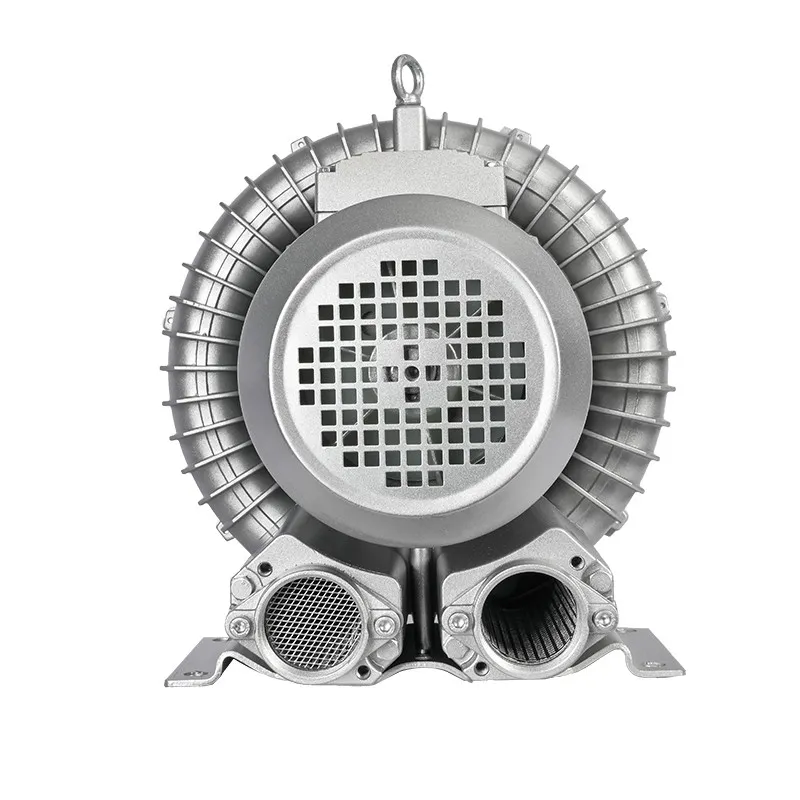
When starting up the Dedicated Drying System BlowerRBG810 5D5C, follow the same pre - startup, startup, and post - startup procedures as mentioned above. But pay extra attention to the drying system's overall performance. Make sure the drying process is working effectively and that the blower is providing the right amount of airflow and pressure.
Troubleshooting
Even with proper startup procedures, problems can still occur. Here are some common issues and how to troubleshoot them.
Low Pressure or Flow Rate
If the pressure or flow rate is lower than expected, check the air filter first. A clogged filter can restrict the airflow. Also, check for any leaks in the piping. Leaks can cause a loss of pressure and flow. If the problem persists, there might be an issue with the impeller or the motor, and you may need to contact a professional for further inspection.
Excessive Noise
Excessive noise can be a sign of several problems. It could be due to loose parts, misaligned components, or a damaged impeller. Stop the blower immediately and check for any visible issues. If you can't find the problem, it's best to have a technician take a look.
Overheating
Overheating can be caused by overloading, poor ventilation, or a malfunctioning motor. Check the blower's load and make sure it's not exceeding the rated capacity. Also, ensure that the ventilation around the blower is adequate. If the motor is overheating, it may need to be serviced or replaced.
In conclusion, starting up a pump turbine side channel blower requires careful attention to detail. By following the pre - startup, startup, and post - startup procedures, you can ensure the blower runs smoothly and efficiently. And if you're using the Dedicated Drying System BlowerRBG810 5D5C, make sure to consider the specific requirements of the drying system.
If you're in the market for a pump turbine side channel blower or need more information about our products, feel free to reach out to us. We're always here to help you find the right blower for your needs and provide you with the best possible service.
References
- Manufacturer's manuals for pump turbine side channel blowers
- Industry standards and guidelines for blower operation and maintenance