

What is the shutdown procedure for an rbt double stage side channel blower?
Hey there! As a supplier of RBT double stage side channel blowers, I often get asked about the shutdown procedure for these nifty machines. So, I thought I'd put together this blog post to share all the ins and outs of shutting down an RBT double stage side channel blower properly.
First off, why is it so important to follow the right shutdown procedure? Well, these blowers are precision - engineered pieces of equipment. If you don't shut them down correctly, you could end up causing damage to the blower itself, reducing its lifespan, or even putting yourself at risk. So, let's get into the step - by - step process.
Step 1: Check the Operating Conditions
Before you even think about shutting down the blower, you need to make sure that the operating conditions are safe. Check the pressure, temperature, and flow rate readings on the control panel. These readings should be within the normal operating range. If the pressure is too high or the temperature is above the recommended level, you might need to take some corrective actions before shutting down. For example, if the pressure is high, you can gradually reduce the load on the blower by adjusting the valves or dampers.

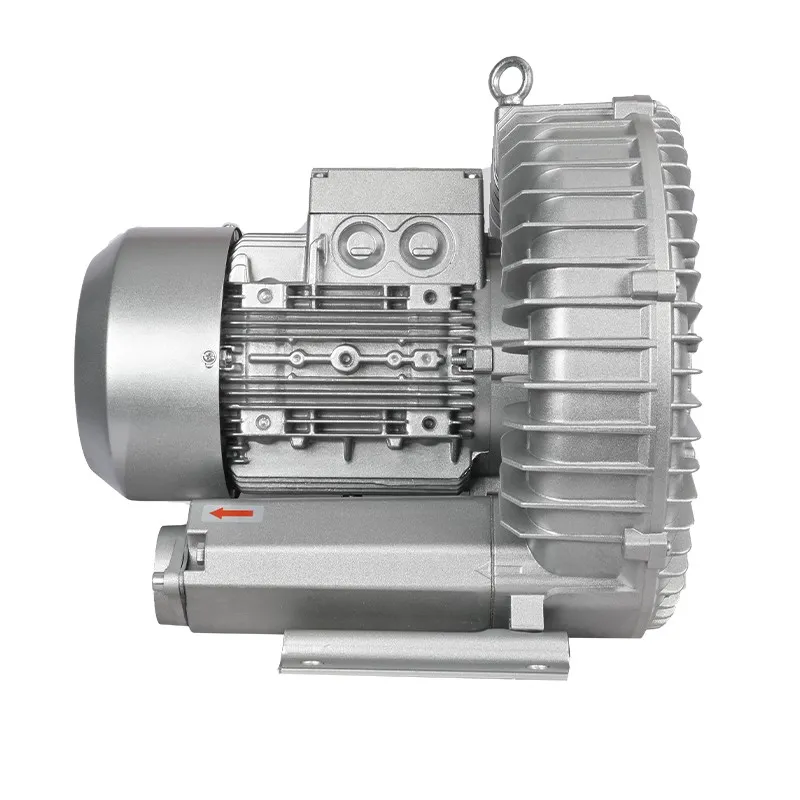
Step 2: Turn Off the Power Supply
Once you've confirmed that the operating conditions are okay, it's time to turn off the power supply. Locate the main power switch for the blower. It's usually clearly marked on the control panel or near the blower unit. Flip the switch to the “off” position. This will cut off the electrical power to the blower motor, stopping it from running.
Step 3: Close the Inlet and Outlet Valves
After turning off the power, you need to close the inlet and outlet valves. These valves control the flow of air into and out of the blower. Closing them helps to prevent any back - flow of air or contaminants into the blower. Make sure to close the valves slowly and steadily. Abruptly closing the valves can cause a sudden change in pressure, which might damage the blower or the piping system.
Step 4: Allow the Blower to Cool Down
The blower motor generates a lot of heat during operation. After shutting it down, you need to let it cool down. This can take some time, depending on how long the blower has been running and the ambient temperature. Do not try to touch the blower or perform any maintenance tasks until it has cooled down completely. Touching a hot blower can cause burns, and performing maintenance on a hot unit can also be dangerous.
Step 5: Perform a Visual Inspection
Once the blower has cooled down, you can perform a visual inspection. Look for any signs of damage, such as cracks in the housing, loose connections, or leaks. Check the belts (if the blower is belt - driven) for any signs of wear or damage. Also, inspect the air filters. If they are dirty or clogged, it's a good idea to clean or replace them. This visual inspection can help you catch any potential problems early on and prevent more serious issues in the future.
Step 6: Document the Shutdown
It's always a good practice to document the shutdown process. Keep a log of the shutdown time, the operating conditions before shutdown, and any observations from the visual inspection. This documentation can be useful for maintenance purposes and for troubleshooting if any problems occur later.
Now, let me tell you a bit more about the types of RBT double stage side channel blowers we offer. We have the Pump Turbine Side Channel Blower, which is great for applications where you need a reliable and efficient air - moving solution. It has a high - performance design that can handle a wide range of pressures and flow rates.
Another popular model is the Dedicated Drying System BlowerRBG810 5D5C. This blower is specifically designed for drying systems, where it can provide a consistent and powerful airflow to remove moisture quickly.
If you're in the market for an RBT double stage side channel blower or need more information about the shutdown procedure or any other aspect of our products, don't hesitate to reach out. We're here to help you make the right choice for your application. Whether you're a small - scale business or a large industrial operation, we have the right blower for you. Contact us for a detailed discussion about your requirements, and we can work together to find the perfect solution.
References
- Manufacturer's manual for RBT double stage side channel blowers
- Industry standards for side channel blower operation and maintenance