

What is the power consumption of a 3hp 2.2kw industrial air blower?
What is the power consumption of a 3hp 2.2kw industrial air blower?
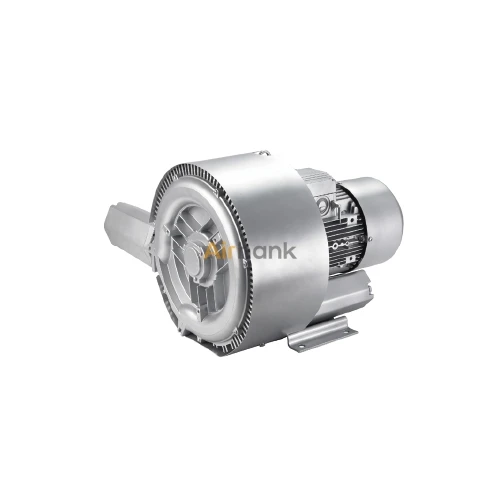
As a supplier of 3hp 2.2kw industrial air blowers, I often get asked about the power consumption of these machines. Understanding the power consumption of an industrial air blower is crucial for businesses, as it directly impacts operational costs and energy efficiency. In this blog post, I'll delve into the factors that influence the power consumption of a 3hp 2.2kw industrial air blower and provide some insights to help you make informed decisions.
Understanding the Basics: 3hp and 2.2kw
First, let's clarify what 3hp and 2.2kw mean. Horsepower (hp) and kilowatts (kw) are both units of power. One horsepower is approximately equal to 0.746 kilowatts. So, a 3hp motor is roughly equivalent to 2.238kw. However, the stated power of 2.2kw for our industrial air blower is the rated power, which is the power the motor is designed to consume under normal operating conditions.
Factors Affecting Power Consumption
Several factors can affect the actual power consumption of a 3hp 2.2kw industrial air blower:
- Load Conditions: The power consumption of an air blower is directly related to the load it is operating under. If the blower is working against a high static pressure (for example, when pushing air through a long duct or a filter with high resistance), it will require more power to maintain the desired airflow. Conversely, if the load is low, the power consumption will be closer to the rated power.
- Airflow Requirements: The amount of air the blower needs to move also impacts power consumption. Higher airflow requirements generally mean the blower has to work harder, consuming more power. For instance, if you need to increase the ventilation rate in a large industrial space, the blower will need to operate at a higher capacity, leading to increased power usage.
- Efficiency of the Blower: The efficiency of the air blower itself plays a significant role in power consumption. A more efficient blower will convert a higher percentage of the electrical power it consumes into useful airflow, resulting in lower power consumption for the same amount of work. Our 3hp 2.2kw industrial air blowers are designed with high - efficiency motors and aerodynamic impellers to minimize power consumption while maximizing performance.
- Operating Hours: The longer the blower operates, the more power it will consume over time. Continuous operation will result in higher total power consumption compared to intermittent use. It's important to consider the duty cycle of your application when calculating power costs.
Calculating Power Consumption
To calculate the power consumption of a 3hp 2.2kw industrial air blower, you can use the following formula:
Power Consumption (kWh) = Rated Power (kw) × Operating Hours
For example, if your 2.2kw air blower operates for 8 hours a day, the daily power consumption would be:
2.2kw × 8 hours = 17.6 kWh
To find the monthly or annual power consumption, you can simply multiply the daily consumption by the number of days in the month or year.
Comparing with Other Blowers
It's also interesting to compare the power consumption of our 3hp 2.2kw industrial air blower with other models. For instance, the 1.5HP Vacuum Pump Air Blower has a lower power rating, which means it will generally consume less power. On the other hand, the 7.5KW Soplador De Aire Ring Blower and the 18.5KW High Airflow Super Air Blower have higher power ratings and are designed for applications that require higher airflow and pressure, but they will also consume more power.

Energy - Saving Tips
Here are some tips to reduce the power consumption of your 3hp 2.2kw industrial air blower:
- Regular Maintenance: Keep the blower clean and well - maintained. Dirty filters and impellers can increase the load on the blower, leading to higher power consumption. Regularly clean or replace filters and check for any signs of wear or damage.
- Optimize Airflow: Ensure that the ductwork and ventilation system are properly designed and installed. Minimize bends, restrictions, and leaks in the ductwork to reduce the static pressure on the blower.
- Use Variable Speed Drives: Consider using a variable speed drive (VSD) for your air blower. A VSD allows you to adjust the speed of the blower according to the actual airflow requirements, reducing power consumption when full capacity is not needed.
Importance of Power Consumption in Industrial Applications
In industrial applications, power consumption is a major cost factor. High - power - consuming equipment can significantly increase operational expenses. By choosing an energy - efficient 3hp 2.2kw industrial air blower and implementing energy - saving measures, businesses can reduce their electricity bills and improve their bottom line. Additionally, reducing power consumption is also beneficial for the environment, as it helps to conserve energy resources and reduce greenhouse gas emissions.
Conclusion
In conclusion, the power consumption of a 3hp 2.2kw industrial air blower depends on various factors such as load conditions, airflow requirements, efficiency, and operating hours. By understanding these factors and taking appropriate measures to optimize the operation of the blower, you can effectively manage power consumption and reduce costs.
If you are in the market for an industrial air blower and want to learn more about our 3hp 2.2kw models or other products, please feel free to reach out to us for a detailed discussion on your specific requirements. We are here to help you find the most suitable and energy - efficient solution for your industrial needs.
References
- "Industrial Air Blower Handbook", Industrial Equipment Publishing
- "Energy Efficiency in Industrial Ventilation Systems", Energy Research Institute