

What is the installation space requirement for a pump turbine side channel blower?
As a supplier of pump turbine side channel blowers, understanding the installation space requirements for these crucial pieces of equipment is essential. In this blog, we'll delve into the key factors that determine the necessary space for installing a pump turbine side channel blower and why it matters.
Why Installation Space Matters
Before we jump into the specific requirements, let's briefly discuss why having the right installation space is so important. A well - planned installation space ensures proper ventilation, which is vital for the blower's cooling. Overheating can significantly reduce the blower's lifespan and efficiency. Additionally, sufficient space allows for easy access during maintenance and repairs, minimizing downtime and associated costs. It also helps in preventing potential safety hazards that could arise from cramped installations.

Key Factors Affecting Installation Space Requirements
1. Blower Dimensions
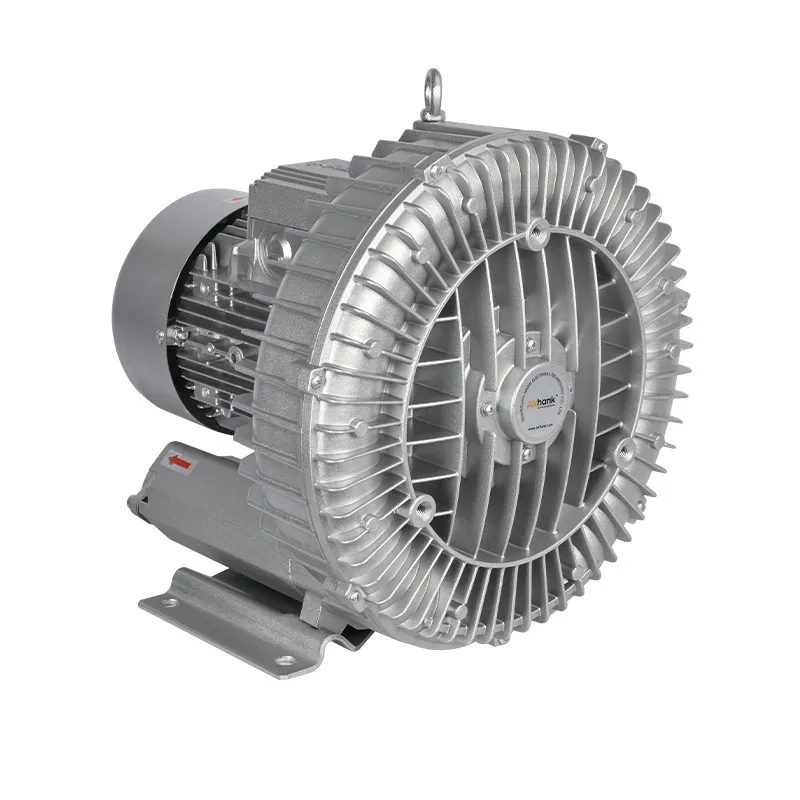
The physical size of the pump turbine side channel blower itself is the most obvious factor. Our Pump Turbine Side Channel Blower comes in various models, each with its own set of dimensions. When planning the installation, it's crucial to refer to the product specifications provided by the manufacturer. These dimensions typically include the length, width, and height of the blower unit. You need to account for these measurements and add some extra space around the blower to facilitate easy movement and access.
2. Inlet and Outlet Connections
The blower's inlet and outlet connections require additional space. These connections are used to attach the necessary piping or ductwork. The type and size of the connections can vary depending on the model. For instance, larger blowers may have bigger diameter connections, which need more space for proper installation and alignment. It's important to ensure that there is enough room to make these connections without any kinks or bends in the piping that could restrict the airflow.
3. Ventilation Requirements
Proper ventilation is a must for pump turbine side channel blowers. During operation, the blower generates heat, and if this heat is not dissipated effectively, it can lead to performance issues and even damage the equipment. As a general rule, there should be a clear space around the blower for air to circulate. A common recommendation is to have at least 1 - 2 feet of clearance on all sides of the blower. This allows fresh air to enter and hot air to exit, maintaining a stable operating temperature.
4. Maintenance Access
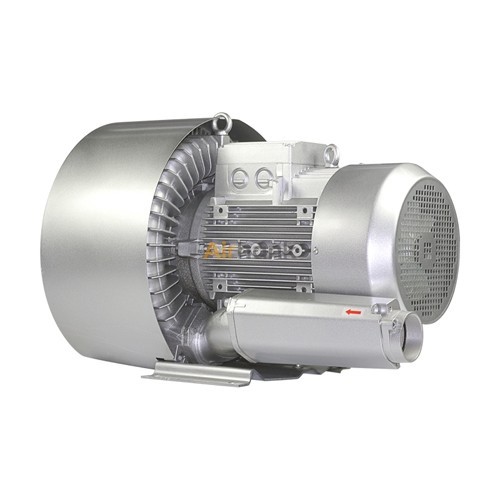
Maintenance is an inevitable part of owning a pump turbine side channel blower. You need to have enough space to access all the components of the blower for regular inspections, cleaning, and part replacements. This includes being able to open the access panels, remove filters, and reach the motor and other internal parts. A lack of adequate maintenance access can make these tasks difficult, time - consuming, and potentially dangerous.
5. Noise Considerations
Pump turbine side channel blowers can produce a certain amount of noise during operation. If the blower is installed in an area where noise is a concern, such as near an office or a residential area, you may need to allocate additional space for noise - reducing measures. This could include installing acoustic enclosures or barriers. These enclosures typically require extra space around the blower to be installed and function effectively.
Calculating the Installation Space
To calculate the total installation space required for a pump turbine side channel blower, you first need to gather the dimensions of the blower unit from the product manual. Then, add the space required for the inlet and outlet connections. Next, factor in the ventilation clearance and the space needed for maintenance access. If noise reduction measures are necessary, include the space for those as well.
For example, if a blower has dimensions of 3 feet in length, 2 feet in width, and 2 feet in height, you might add an extra 1 foot of clearance on each side for ventilation and maintenance. This would result in a total floor space requirement of (3 + 2) feet in length and (2+ 2) feet in width, or 5 feet by 4 feet. The height clearance should also be sufficient to allow for easy access to the top of the blower.
Case Study: Dedicated Drying System BlowerRBG810 5D5C
Let's take a look at a specific example of one of our products, the Dedicated Drying System BlowerRBG810 5D5C. This blower is designed for use in drying systems and has specific installation space requirements.
The blower unit itself has dimensions of 4 feet in length, 3 feet in width, and 2.5 feet in height. The inlet and outlet connections require an additional 0.5 feet of space on each side. For ventilation and maintenance access, we recommend a 1 - foot clearance on all sides.
Based on these requirements, the total floor space needed for the installation would be (4 + 2) feet in length and (3 + 2) feet in width, which is 6 feet by 5 feet. The height clearance should be at least 3.5 feet to allow for easy access to the top of the blower.
Conclusion
Understanding the installation space requirements for a pump turbine side channel blower is crucial for a successful installation. By considering factors such as blower dimensions, inlet and outlet connections, ventilation, maintenance access, and noise considerations, you can ensure that the blower operates efficiently and safely.
If you're in the market for a pump turbine side channel blower and need assistance with installation planning or have any questions about our products, including the Dedicated Drying System BlowerRBG810 5D5C and Pump Turbine Side Channel Blower, we're here to help. Reach out to us for more information and to start a procurement discussion.
References
- Manufacturer's product manuals for pump turbine side channel blowers
- Industry standards and guidelines for blower installation