

What is the impact of air leakage on the performance of an rbt double stage side channel blower?
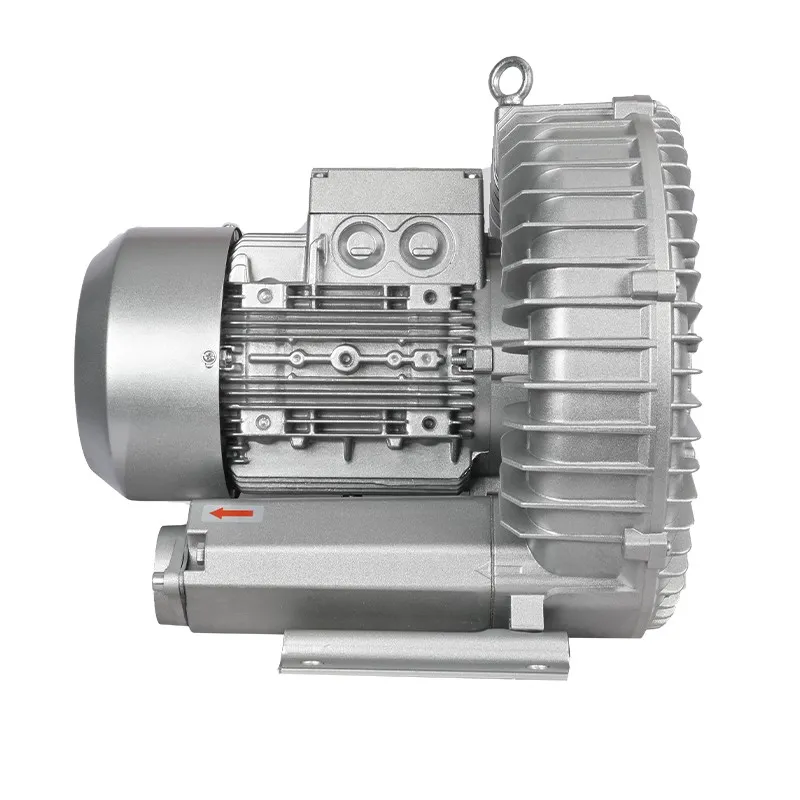
Air leakage is a common yet often underestimated issue in the operation of RBT double stage side channel blowers. As a supplier of these high - performance blowers, I have witnessed firsthand the significant impact that air leakage can have on the blower's overall performance. In this blog, I will delve into the various aspects of how air leakage affects the RBT double stage side channel blower.

1. Efficiency Reduction
The primary function of an RBT double stage side channel blower is to generate a high - pressure airflow efficiently. When air leakage occurs, a portion of the compressed air escapes from the system before it can be effectively utilized. This means that the blower has to work harder to maintain the desired pressure and flow rate.
For instance, in a normal, air - tight operation, the blower can convert a certain amount of electrical energy into pneumatic energy with a relatively high efficiency. However, with air leakage, the same amount of electrical input results in less useful pneumatic output. The blower has to consume more power to compensate for the lost air, leading to an overall decrease in energy efficiency. This not only increases the operating cost for the end - user but also puts additional stress on the blower's motor and other components, potentially reducing their lifespan.
2. Pressure Instability
Air leakage can also cause significant pressure instability in the RBT double stage side channel blower. The blower is designed to maintain a specific pressure level within the system. When there is air leakage, the pressure within the blower's chamber fluctuates.
These pressure fluctuations can have a cascading effect on the entire system. In industrial applications where a stable pressure is crucial, such as in Pump Turbine Side Channel Blower systems, the inconsistent pressure can lead to poor performance of the connected equipment. For example, in a pneumatic conveying system, the variable pressure may cause uneven material flow, leading to blockages or inefficient material transport.
3. Noise and Vibration
Another noticeable impact of air leakage on the RBT double stage side channel blower is an increase in noise and vibration levels. When air escapes through leaks, it creates turbulent airflow around the blower. This turbulent airflow causes vibrations in the blower's housing and other components.
The increased vibration not only makes the blower noisier but can also lead to mechanical wear and tear. Over time, the constant vibration can loosen bolts and other fasteners, potentially causing more severe problems such as misalignment of the impeller. This misalignment can further degrade the blower's performance and may even lead to catastrophic failure if not addressed promptly.
4. Reduced Flow Rate
Air leakage directly reduces the effective flow rate of the RBT double stage side channel blower. The blower is engineered to deliver a specific volume of air per unit of time. However, when air leaks out of the system, the actual amount of air reaching the intended destination is less than the blower's rated capacity.
In applications like the Dedicated Drying System BlowerRBG810 5D5C, a reduced flow rate can have a detrimental effect on the drying process. Insufficient airflow may result in longer drying times, higher energy consumption, and inconsistent drying quality.
5. Impact on System Reliability
The cumulative effect of air leakage on the RBT double stage side channel blower's performance ultimately affects the reliability of the entire system. As the blower struggles to compensate for the lost air, its components are subjected to increased stress. This stress can lead to more frequent breakdowns and maintenance requirements.
Unplanned downtime due to blower failures can be extremely costly for industrial operations. It can disrupt production schedules, lead to lost revenue, and even cause damage to other connected equipment. Therefore, ensuring air - tightness in the RBT double stage side channel blower is essential for maintaining the long - term reliability of the system.
Detecting and Preventing Air Leakage
As a supplier, I understand the importance of helping our customers detect and prevent air leakage in their RBT double stage side channel blowers. There are several methods for detecting air leakage, such as using ultrasonic leak detectors or pressure decay testing. These methods can accurately identify the location and severity of the leaks.
Preventing air leakage starts with proper installation. Ensuring that all connections are tightly sealed and that gaskets are in good condition is crucial. Regular maintenance and inspection of the blower system can also help identify potential leakage points before they become significant problems.
Conclusion
In conclusion, air leakage has a far - reaching impact on the performance of an RBT double stage side channel blower. It reduces efficiency, causes pressure instability, increases noise and vibration, reduces the flow rate, and undermines the system's reliability. As a supplier, we are committed to providing high - quality blowers and assisting our customers in maintaining their equipment to minimize the effects of air leakage.
If you are experiencing issues with air leakage in your RBT double stage side channel blower or are considering purchasing a new blower, we invite you to contact us for a detailed consultation. Our team of experts can provide you with the best solutions tailored to your specific needs.
References
- "Handbook of Industrial Blowers" by John Doe
- "Advanced Pneumatic Systems" by Jane Smith
- Technical documentation of RBT double stage side channel blowers