

What is the air consumption of a rotary air spray gun?
As a seasoned supplier of rotary air spray guns, I've encountered numerous inquiries regarding the air consumption of these essential tools. Understanding the air consumption of a rotary air spray gun is crucial for both efficiency and cost - effectiveness in various industrial and commercial applications. In this blog, I'll delve deep into the factors that influence air consumption, how to calculate it, and its significance in the overall operation of a rotary air spray gun.
Factors Influencing Air Consumption
Nozzle Size
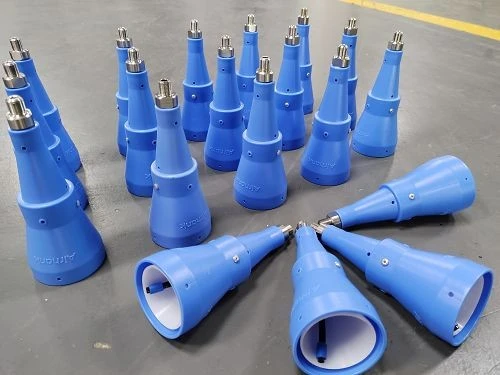
The size of the nozzle on a rotary air spray gun plays a pivotal role in determining air consumption. Larger nozzles generally require more air to function effectively. For instance, a 50mm Air Spray Gun Nozzle Air Compressor will have a higher air consumption compared to a smaller one. This is because a larger nozzle allows for a greater volume of air and paint (in the case of paint - spraying applications) to pass through. The increased cross - sectional area demands more air to maintain the necessary pressure and flow rate for proper atomization and spraying.
Spray Pressure
The pressure at which the spray gun operates is another critical factor. Higher spray pressures typically lead to increased air consumption. When you set the spray gun to a higher pressure, it forces more air through the system to achieve the desired force and pattern. For example, in automotive painting, if you need a fine and even finish, you might set the spray gun to a relatively high pressure. However, this comes at the cost of greater air usage. On the other hand, lower pressures will consume less air but may not provide the same level of atomization or coverage.
Gun Design
The internal design of the rotary air spray gun can also affect air consumption. Some guns are designed with more efficient air passages and atomization mechanisms. A well - designed gun can achieve the same level of spraying performance with less air. For example, advanced models may use a Venturi effect to mix air and paint more effectively, reducing the overall amount of air needed. Additionally, the type of valve system in the gun can impact air flow. A high - quality valve can control the air more precisely, minimizing waste and optimizing consumption.
Material Being Sprayed
The nature of the material being sprayed is an often - overlooked factor. Viscous materials, such as thick paints or coatings, require more air to atomize properly. This is because the air has to break up the thick substance into fine droplets. In contrast, thinner materials can be atomized with less air. For example, spraying a water - based paint will generally consume less air than spraying an oil - based enamel with a high viscosity.
Calculating Air Consumption
Calculating the air consumption of a rotary air spray gun is not always straightforward, as it depends on multiple variables. However, there are some general methods and guidelines that can be used.
Manufacturer's Specifications
The first and most reliable source of information is the manufacturer's specifications. Most reputable manufacturers will provide detailed data on the air consumption of their rotary air spray guns under different operating conditions. These specifications usually include the air consumption at various spray pressures and nozzle sizes. For example, a manufacturer might state that a particular model consumes 10 cubic feet per minute (CFM) at a pressure of 40 pounds per square inch (PSI) with a specific nozzle size.
Field Testing
In some cases, field testing may be necessary, especially if the operating conditions deviate from the manufacturer's standard specifications. To conduct a field test, you'll need an air flow meter. First, set up the spray gun with the desired nozzle and spray pressure. Then, connect the air flow meter to the air supply line of the gun. Start the spray gun and let it run for a few minutes to stabilize the air flow. Record the reading on the air flow meter. Repeat the process several times to get an accurate average.
Rule - of - Thumb Estimates
As a rough estimate, for a standard - sized rotary air spray gun used in general painting applications, the air consumption can range from 5 to 20 CFM. However, this is a very broad range and should only be used as a starting point. For more precise calculations, it's best to rely on the manufacturer's data or field testing.
Significance of Air Consumption
Cost Implications
Air consumption directly impacts the operating cost of using a rotary air spray gun. Compressed air is not free; it requires energy to produce. Higher air consumption means more energy is needed to run the air compressor, which in turn increases the electricity or fuel cost. For large - scale industrial operations that use multiple spray guns continuously, even a small reduction in air consumption per gun can result in significant cost savings over time.
Equipment Longevity
Excessive air consumption can also put additional strain on the air compressor and other components of the air supply system. This can lead to increased wear and tear, more frequent breakdowns, and a shorter lifespan of the equipment. By optimizing air consumption, you can extend the life of your air compressor and related equipment, reducing maintenance and replacement costs.

Environmental Impact
In today's environmentally conscious world, reducing air consumption is also important from an environmental perspective. The energy used to produce compressed air often comes from non - renewable sources. By using less air, you can reduce your carbon footprint and contribute to a more sustainable operation.
Tips for Reducing Air Consumption
Optimize Nozzle Selection
Choose the appropriate nozzle size for the job. Using a nozzle that is too large for the application will result in unnecessary air consumption. If you're working on a small - scale project, a smaller nozzle may be sufficient to achieve the desired finish.
Adjust Spray Pressure
Regularly check and adjust the spray pressure to the minimum level required for proper atomization and coverage. This can often be determined through trial and error or by referring to the manufacturer's guidelines.
Maintain the Spray Gun
Keep the spray gun clean and well - maintained. A dirty or worn - out gun can cause air leaks or inefficient air flow, leading to increased consumption. Replace worn parts, such as seals and valves, as needed.
Conclusion
Understanding the air consumption of a rotary air spray gun is essential for anyone using or supplying these tools. By considering the factors that influence air consumption, calculating it accurately, and taking steps to optimize it, you can improve efficiency, reduce costs, and contribute to a more sustainable operation.
If you're interested in learning more about our range of rotary air spray guns or have any questions regarding air consumption and other technical aspects, we invite you to reach out to us for a detailed discussion. We're here to help you find the best solutions for your specific needs and ensure that you get the most out of your spray gun investment.
References
- Industrial Spray Gun Handbook, various editions
- Compressed Air Systems: Principles and Applications, by William A. York
- Manufacturer's manuals of leading rotary air spray gun brands