

What are the shut - down procedures for a high speed centrifugal blower?
Hey there! As a supplier of high speed centrifugal blowers, I've had my fair share of experiences with these powerful machines. One question that often pops up is about the shut - down procedures for a high speed centrifugal blower. So, let's dive right in and break it down.
First off, why are proper shut - down procedures so important? Well, high speed centrifugal blowers are complex pieces of equipment. If you don't shut them down correctly, you could end up causing damage to the blower itself, reducing its lifespan, and even putting your operators at risk. Plus, improper shutdown can lead to increased maintenance costs and downtime, which is a big no - no for any business.
Pre - shutdown Checks
Before you even think about hitting that stop button, there are a few checks you need to do. First, you've got to monitor the operating parameters of the blower. This includes things like the temperature, pressure, and speed. Make sure they're all within the normal range. If you notice any abnormal readings, it's a good idea to troubleshoot the issue before shutting down.
For example, if the temperature is too high, it could mean there's a problem with the cooling system. Continuing to run the blower or shutting it down abruptly could cause further damage. You might need to let the blower run for a bit longer to allow it to cool down properly or check if there are any blockages in the cooling pipes.
Next, you should check the lubrication system. High speed centrifugal blowers rely on proper lubrication to reduce friction and wear between moving parts. Make sure the oil level is adequate and that the oil is flowing smoothly. If the oil level is low, you'll need to top it up before shutting down.
Another important pre - shutdown check is to look at the air intake and exhaust. Ensure there are no obstructions. Blockages can cause the blower to work harder than it should, leading to overheating and potential damage. Clear any debris or foreign objects that you find.
The Shutdown Process
Once you've completed the pre - shutdown checks, it's time to start the actual shutdown process. The first step is to gradually reduce the speed of the blower. This is crucial because high speed centrifugal blowers operate at very high speeds. Stopping the blower abruptly can cause a sudden shock to the system, which can damage the bearings, impellers, and other components.
You can use the control panel to adjust the speed settings. Lower the speed in small increments, giving the blower time to adjust to the change. This slow reduction in speed also helps to prevent any sudden pressure changes in the system.
After you've reduced the speed to a minimum, you can then turn off the power supply. But be careful! Make sure you follow the correct procedure for your specific blower model. Some blowers may have a dedicated shutdown sequence that you need to follow, such as pressing a series of buttons in a certain order.
Once the power is off, you should close any valves that are associated with the blower. This includes the inlet and outlet valves. Closing these valves helps to prevent backflow and maintains the pressure balance in the system.
Post - shutdown Maintenance
Shutting down the blower is not the end of the story. You've got to do some post - shutdown maintenance to keep the blower in good condition. First, let the blower cool down completely. This can take some time, depending on the size and operating conditions of the blower.
After it's cooled down, you should inspect the blower for any signs of damage. Check the impellers for any cracks or chips. Look at the bearings to see if there's any excessive wear. You can also clean the blower to remove any dust or debris that may have accumulated during operation.
Regularly changing the lubricating oil is also an important part of post - shutdown maintenance. Over time, the oil can break down and become contaminated, which can affect the performance of the blower. Refer to the manufacturer's guidelines for the recommended oil change intervals.
Examples of Our High Speed Centrifugal Blowers
We offer a wide range of high speed centrifugal blowers, each with its own unique features and benefits. For instance, the High - Speed Energy - Saving Turbo Blower HANK150 - 15KW is a great option for applications where energy efficiency is a top priority. It's designed to deliver high performance while consuming less power, which can save you a significant amount of money in the long run.
If you're in the PV equipment industry, our High - speed Energy - saving Blower for PV Equipment DPT - 200 might be the perfect fit. It's specifically engineered to meet the demanding requirements of PV equipment, providing reliable and efficient operation.
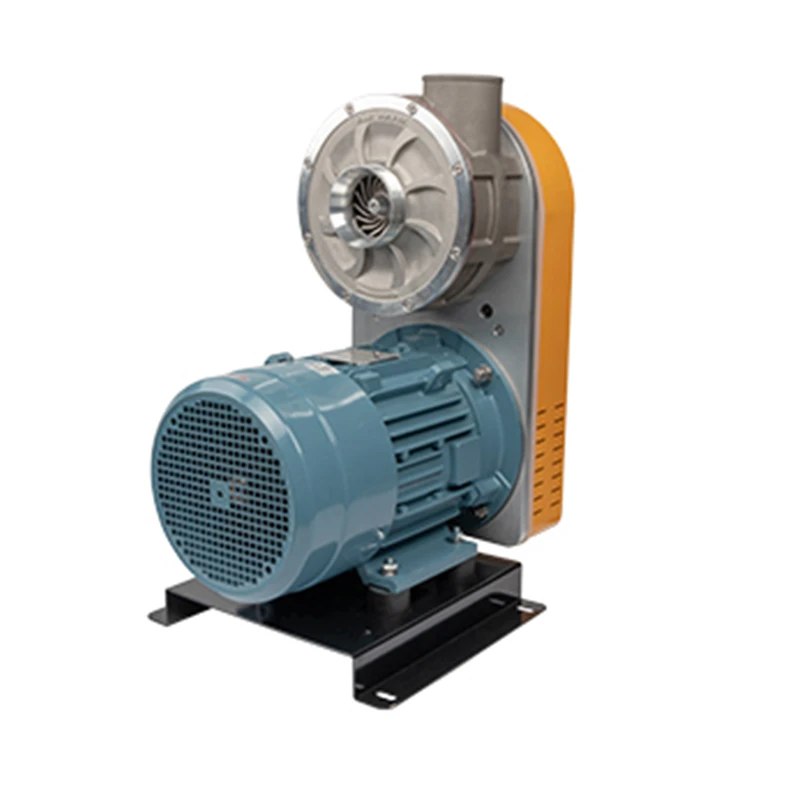

Another popular model is the 25 RBG420 2D2A. This blower is known for its durability and high - speed performance. It's suitable for a variety of industrial applications where high - volume air movement is needed.
Conclusion
In conclusion, following the proper shut - down procedures for a high speed centrifugal blower is essential for its longevity and reliable operation. By doing the pre - shutdown checks, gradually reducing the speed, and performing post - shutdown maintenance, you can ensure that your blower stays in top condition.
If you're in the market for a high speed centrifugal blower or have any questions about the shut - down procedures, don't hesitate to reach out. We're here to help you make the right choice for your specific needs. Whether you're a small business or a large industrial operation, we've got the expertise and the products to meet your requirements.
References
- Manufacturer's manuals for high speed centrifugal blowers
- Industry standards and guidelines for blower operation and maintenance