

What are the possible reasons for the low flow rate of an rbg double stage side channel blower?
As a supplier of RBG double stage side channel blowers, I've received numerous inquiries regarding low flow rate issues. This concern is crucial as it directly impacts the efficiency and performance of these blowers in various industrial and commercial applications. In this blog, I'll delve into the possible reasons for the low flow rate of an RBG double stage side channel blower.
1. Inlet and Outlet Blockages
One of the most common causes of low flow rate is blockages in the inlet or outlet of the blower. Any foreign objects, debris, or excessive dust accumulation can restrict the airflow. For instance, in industrial settings where the air contains a high level of particulates, filters can get clogged quickly. If the inlet air filter of the RBG double stage side channel blower is not cleaned or replaced regularly, it will create a resistance to the incoming air, reducing the flow rate significantly.
To prevent this, it is essential to conduct routine inspections of the inlet and outlet ports. Cleaning or replacing the air filters according to the manufacturer's recommendations can help maintain a proper airflow. Moreover, ensuring that there are no obstructions in the ductwork connected to the blower is also vital.
2. Leakage in the System
Leakage in the blower system can lead to a substantial drop in the flow rate. A leak can occur at various points, such as the gaskets, seals, or connections between different components of the blower and the ductwork. For example, if the gaskets between the blower stages are worn out or not properly installed, air can escape, causing a decrease in the overall flow rate.
Detecting leaks can be challenging, but methods such as using a smoke test or a pressure gauge can be effective. Once a leak is identified, the damaged gaskets or seals should be replaced immediately. Ensuring that all connections are tight and secure during installation and maintenance can also prevent leaks from occurring.
3. Motor Issues
The motor is the heart of the RBG double stage side channel blower, and any problems with it can directly affect the flow rate. A motor that is underpowered or malfunctioning may not be able to drive the impeller at the required speed, resulting in a reduced airflow. For example, if the motor has a low voltage supply, it will run at a slower speed, and the blower will not generate the necessary pressure and flow rate.
Regular motor maintenance, including checking the electrical connections, lubricating the bearings, and testing the motor's performance, is crucial. If a motor problem is suspected, it should be diagnosed and repaired by a qualified technician. In some cases, upgrading the motor to a more powerful one may be necessary to achieve the desired flow rate.
4. Impeller Damage
The impeller is responsible for creating the airflow in the RBG double stage side channel blower. Any damage to the impeller, such as cracks, bends, or wear and tear, can disrupt the airflow pattern and reduce the flow rate. This can happen due to corrosion, erosion, or contact with foreign objects.
Inspecting the impeller regularly is essential to detect any signs of damage. If damage is found, the impeller should be replaced promptly. Using high - quality impellers and ensuring proper installation can help extend the impeller's lifespan and maintain the blower's performance.
5. Incorrect System Design
An improper system design can also lead to low flow rate issues. If the ductwork is too long, has too many bends, or is of an incorrect diameter, it can create excessive resistance to the airflow. For example, a duct with a small diameter will require the blower to work harder to push the air through, resulting in a lower flow rate.

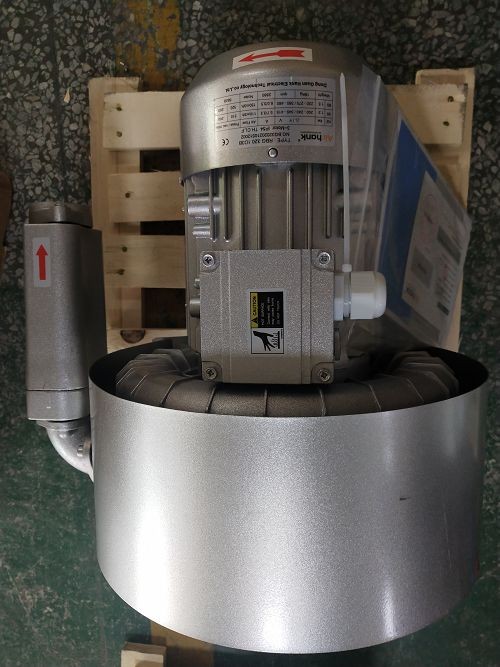
It is crucial to design the system carefully, taking into account factors such as the required flow rate, pressure, and the layout of the facility. Consulting with a professional in the field of ventilation or blower systems can help ensure that the system is designed correctly.
6. Environmental Factors
Environmental conditions can have an impact on the performance of the RBG double stage side channel blower. High ambient temperatures can reduce the air density, which in turn affects the blower's ability to generate the required flow rate. Additionally, high humidity can cause corrosion and damage to the blower components over time, leading to performance degradation.
In such cases, appropriate measures should be taken to mitigate the effects of the environment. For example, installing the blower in a well - ventilated area or using a temperature - controlled enclosure can help maintain a stable operating environment.
7. Improper Blower Selection
Selecting the wrong blower for a specific application can result in low flow rate problems. If the blower's capacity is too small for the required airflow and pressure, it will not be able to meet the demands of the system. On the other hand, if the blower is oversized, it may operate inefficiently and also cause issues.
When choosing an RBG double stage side channel blower, it is essential to consider factors such as the required flow rate, pressure, and the nature of the application. Our company offers a wide range of high - quality blowers, including the 2HP 1.5KW Multi Stage Side Channel Blower and the 3HP 2.2KW Dual - frequency Air Pump Blower, which are designed to meet various industrial and commercial needs.
In conclusion, there are several possible reasons for the low flow rate of an RBG double stage side channel blower. By understanding these causes and taking appropriate preventive and corrective measures, users can ensure the optimal performance of their blowers. If you are experiencing any issues with your blower or need help in selecting the right one for your application, please feel free to contact me for further discussions and procurement options.
References
- Manufacturer's manual for RBG double stage side channel blowers
- Industry standards and guidelines for blower systems