

What are the lubrication requirements for a high speed centrifugal blower?
Lubrication is a critical aspect of the operation and maintenance of high-speed centrifugal blowers. As a supplier of high-speed centrifugal blowers, I understand the importance of proper lubrication in ensuring the longevity, efficiency, and reliability of these machines. In this blog post, I will discuss the lubrication requirements for high-speed centrifugal blowers, including the types of lubricants used, lubrication methods, and maintenance practices.
Types of Lubricants
The choice of lubricant for a high-speed centrifugal blower depends on several factors, including the operating conditions, the type of bearings used, and the manufacturer's recommendations. Generally, there are two main types of lubricants used in high-speed centrifugal blowers: oil and grease.
Oil Lubrication
Oil lubrication is the most common method used in high-speed centrifugal blowers. It offers several advantages, such as better heat dissipation, improved cooling, and the ability to carry away contaminants. There are different types of oils available, including mineral oils, synthetic oils, and semi-synthetic oils.
- Mineral Oils: Mineral oils are derived from crude oil and are the most commonly used lubricants in high-speed centrifugal blowers. They are relatively inexpensive and offer good lubrication properties. However, they have a limited temperature range and may not be suitable for high-temperature applications.
- Synthetic Oils: Synthetic oils are artificially engineered lubricants that offer superior performance compared to mineral oils. They have a wider temperature range, better oxidation resistance, and lower volatility. Synthetic oils are often used in high-performance applications where extreme temperatures or high speeds are involved.
- Semi-Synthetic Oils: Semi-synthetic oils are a blend of mineral and synthetic oils. They offer a balance between performance and cost and are suitable for a wide range of applications.
Grease Lubrication
Grease lubrication is another option for high-speed centrifugal blowers, especially for smaller blowers or applications where oil lubrication is not practical. Grease is a semi-solid lubricant that consists of a base oil and a thickening agent. It offers several advantages, such as simplified lubrication systems, reduced leakage, and better sealing properties.
- Lithium Grease: Lithium grease is the most commonly used grease in high-speed centrifugal blowers. It has good lubrication properties, high-temperature resistance, and excellent water resistance. Lithium grease is suitable for a wide range of applications and is often recommended by blower manufacturers.
- Polyurea Grease: Polyurea grease is a synthetic grease that offers superior performance compared to lithium grease. It has a higher temperature range, better oxidation resistance, and lower friction coefficients. Polyurea grease is often used in high-performance applications where extreme temperatures or high speeds are involved.
Lubrication Methods
There are several lubrication methods used in high-speed centrifugal blowers, including splash lubrication, pressure lubrication, and oil mist lubrication.
Splash Lubrication
Splash lubrication is the simplest and most common lubrication method used in high-speed centrifugal blowers. In this method, the rotating components of the blower, such as the bearings and gears, dip into a reservoir of oil, which splashes onto the components to provide lubrication. Splash lubrication is suitable for low-speed and medium-speed applications and is often used in smaller blowers.
Pressure Lubrication
Pressure lubrication is a more advanced lubrication method used in high-speed centrifugal blowers. In this method, an oil pump is used to circulate oil under pressure to the bearings and other critical components of the blower. Pressure lubrication offers several advantages, such as better lubrication, improved cooling, and the ability to carry away contaminants. Pressure lubrication is suitable for high-speed and high-performance applications and is often used in larger blowers.
Oil Mist Lubrication
Oil mist lubrication is a specialized lubrication method used in high-speed centrifugal blowers. In this method, a fine mist of oil is generated and delivered to the bearings and other critical components of the blower. Oil mist lubrication offers several advantages, such as better lubrication, improved cooling, and reduced oil consumption. Oil mist lubrication is suitable for high-speed and high-performance applications and is often used in blowers that operate in harsh environments.
Lubrication Maintenance
Proper lubrication maintenance is essential for the reliable operation of high-speed centrifugal blowers. Here are some key maintenance practices to ensure the longevity and performance of the lubrication system:
Regular Oil Changes
Regular oil changes are essential to maintain the quality of the lubricant and prevent the buildup of contaminants. The frequency of oil changes depends on several factors, including the operating conditions, the type of lubricant used, and the manufacturer's recommendations. Generally, oil changes should be performed every 3 to 6 months for splash lubrication systems and every 6 to 12 months for pressure lubrication systems.
Oil Analysis
Oil analysis is a valuable tool for monitoring the condition of the lubricant and detecting potential problems before they cause serious damage to the blower. Oil analysis can be used to measure the viscosity, acidity, and contamination levels of the lubricant, as well as to detect the presence of wear particles and other contaminants. Oil analysis should be performed regularly, at least once a year, to ensure the quality of the lubricant and the reliability of the blower.
Filter Replacement
Filters are an important part of the lubrication system in high-speed centrifugal blowers. They are used to remove contaminants from the oil and prevent them from reaching the bearings and other critical components of the blower. Filters should be replaced regularly, according to the manufacturer's recommendations, to ensure the effectiveness of the filtration system.
Inspection and Maintenance of Lubrication System Components
Regular inspection and maintenance of the lubrication system components, such as the oil pump, oil cooler, and oil filter, are essential to ensure the proper operation of the lubrication system. The lubrication system components should be inspected for signs of wear, damage, or leakage, and any problems should be repaired or replaced immediately.
Conclusion
Proper lubrication is essential for the reliable operation of high-speed centrifugal blowers. The choice of lubricant, lubrication method, and lubrication maintenance practices depends on several factors, including the operating conditions, the type of bearings used, and the manufacturer's recommendations. As a supplier of high-speed centrifugal blowers, I recommend using high-quality lubricants and following the manufacturer's lubrication guidelines to ensure the longevity, efficiency, and reliability of the blowers.
If you are interested in learning more about our high-speed centrifugal blowers or have any questions about lubrication requirements, please feel free to contact us for a consultation. Our team of experts is available to assist you in selecting the right blower and lubrication system for your application.
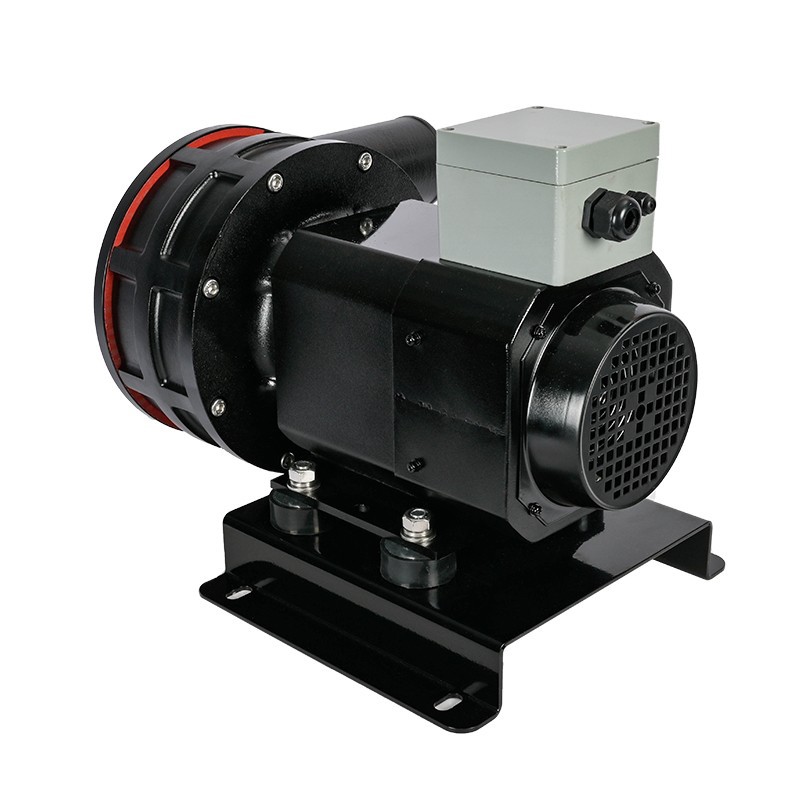
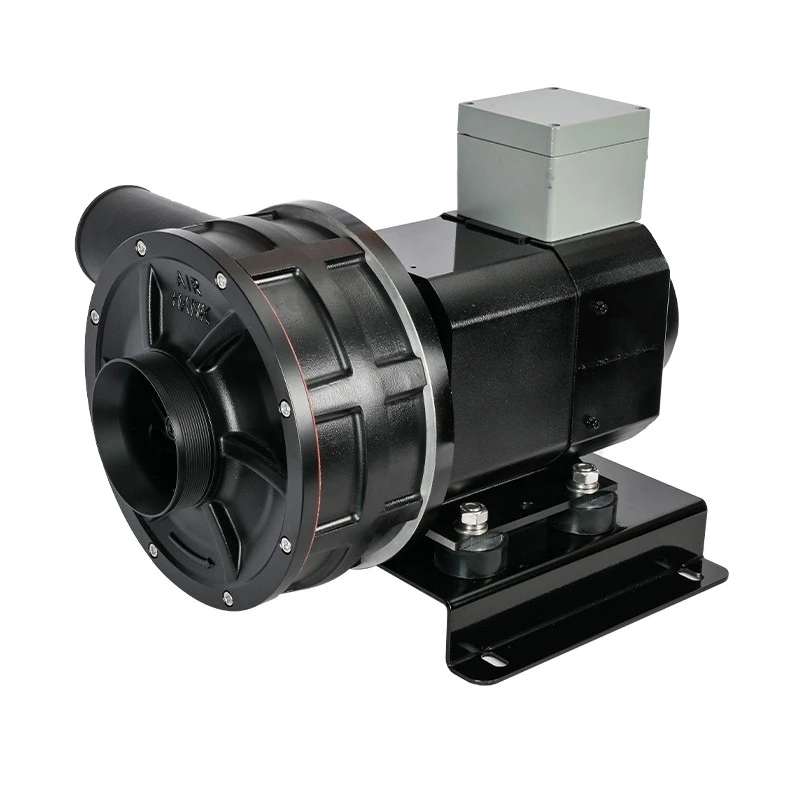
We offer a wide range of high-speed centrifugal blowers, including the DPT-85 编号37, High-speed Energy-saving Blower for PV Equipment DPT-200, and 25 RBG420 2D2A. These blowers are designed to meet the highest standards of quality and performance and are suitable for a wide range of applications.
References
- "Lubrication Fundamentals for Centrifugal Compressors," CompressorTech2, https://www.compressortech2.com/articles/lubrication-fundamentals-for-centrifugal-compressors/.
- "High-Speed Centrifugal Blowers: Design, Operation, and Maintenance," Pump & Systems, https://www.pumpsandsystems.com/high-speed-centrifugal-blowers-design-operation-and-maintenance.
- "Lubrication Guidelines for Industrial Equipment," Machinery Lubrication, https://www.machinerylubrication.com/Read/166/lubrication-guidelines-industrial-equipment.