

What are the international standards for high speed centrifugal blowers?
In the industrial and commercial sectors, high-speed centrifugal blowers are essential equipment, playing a crucial role in various applications such as wastewater treatment, pneumatic conveying, and ventilation systems. As a high-speed centrifugal blower supplier, I am deeply aware of the significance of international standards in ensuring the quality, performance, and safety of these blowers. In this blog, we will explore the key international standards for high-speed centrifugal blowers and their implications for both manufacturers and users.
ISO Standards
The International Organization for Standardization (ISO) has developed several standards that are relevant to high-speed centrifugal blowers. These standards cover a wide range of aspects, from design and manufacturing to performance testing and safety requirements.
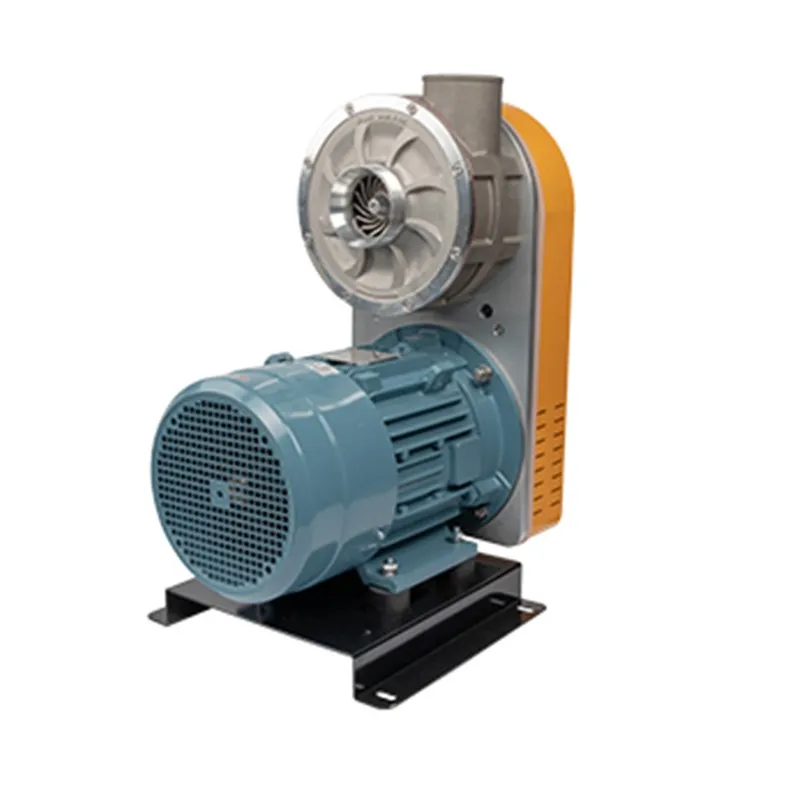

ISO 5389:2017 - Industrial fans - Performance testing using standardized airways
This standard provides a method for determining the aerodynamic performance of fans, including high-speed centrifugal blowers. It specifies the test rigs, measurement techniques, and procedures for measuring parameters such as air volume, pressure, power consumption, and efficiency. By following this standard, manufacturers can ensure that the performance data provided for their blowers is accurate and comparable.
For example, when testing a High-Speed Energy-Saving Turbo Blower HANK150-15KW, the manufacturer would use the test setup and procedures outlined in ISO 5389:2017 to measure its air delivery capacity and power efficiency. This data is crucial for customers to evaluate the blower's suitability for their specific applications.
ISO 1217:2019 - Rotary positive displacement compressors - Performance acceptance tests
Although designed for rotary positive displacement compressors, some aspects of this standard can also be applied to high-speed centrifugal blowers. It focuses on the methods for conducting performance acceptance tests, including measurement of flow rate, pressure, power, and temperature. In addition, it provides guidelines for determining the uncertainty of the test results, ensuring the reliability of the performance data.
ISO 13735:2008 - Safety requirements for compressors and vacuum pumps
This standard addresses the safety aspects of compressors and vacuum pumps, which are also relevant to high-speed centrifugal blowers. It covers requirements for mechanical safety, electrical safety, and protection against the release of hazardous substances. For instance, it specifies the design and construction requirements for guards, emergency stop buttons, and electrical enclosures to prevent accidents and injuries during the operation of the blowers.
ASME Standards
The American Society of Mechanical Engineers (ASME) has also developed standards related to high-speed centrifugal blowers, particularly in the areas of design and construction.
ASME PTC 10-1997 - Compressors and Exhausters
This performance test code provides procedures for conducting performance tests on compressors and exhausters, including high-speed centrifugal blowers. It covers a wide range of performance parameters, such as flow rate, pressure ratio, power consumption, and efficiency. The standard also includes guidelines for test instrumentation, data collection, and calculation methods.
By adhering to ASME PTC 10-1997, manufacturers can accurately measure the performance of their blowers and provide customers with reliable performance guarantees. This is especially important in applications where precise control of air flow and pressure is required, such as in semiconductor manufacturing and pharmaceutical production.
API Standards
The American Petroleum Institute (API) has established standards for equipment used in the petroleum and gas industries, including high-speed centrifugal blowers.
API 617 - Centrifugal Compressors for Petroleum, Chemical, and Gas Industry Services
This standard is widely recognized in the industry for specifying the design, materials, fabrication, inspection, testing, and preparation for shipment of centrifugal compressors, which can also be applied to high-speed centrifugal blowers used in similar applications. It covers aspects such as rotor dynamics, casing design, and lubrication systems to ensure the reliable and efficient operation of the equipment in harsh industrial environments.
For example, in a refinery or a petrochemical plant, the Drying Blower for Ultrasonic CleanerDPT - 150 used for pneumatic conveying or ventilation purposes would need to meet the requirements of API 617 to ensure its compatibility with the overall process and its long-term reliability.
Impact of International Standards on Manufacturers
For high-speed centrifugal blower manufacturers, complying with international standards is not only a legal requirement in many countries but also a way to enhance the quality and competitiveness of their products.
Quality Assurance
By following international standards, manufacturers can implement a systematic approach to quality control throughout the entire production process, from raw material selection to final product testing. This helps to ensure that the blowers meet the specified performance and safety requirements, reducing the risk of product failures and customer complaints.
Market Access
Many countries and regions have regulations that require imported high-speed centrifugal blowers to meet certain international standards. By obtaining relevant certifications, manufacturers can gain access to a wider global market, increasing their sales and business opportunities.
Innovation and Improvement
The development of international standards often reflects the latest technological advancements and best practices in the industry. By participating in the standardization process and keeping up with the latest standards, manufacturers can drive innovation and continuous improvement in their products and manufacturing processes.
Impact of International Standards on Users
For users of high-speed centrifugal blowers, international standards provide a reliable basis for evaluating and selecting the right equipment for their applications.
Performance Comparison
The standardized performance testing methods specified in international standards allow users to compare the performance of different blowers from various manufacturers. This helps them to make more informed decisions and select the blower that best meets their needs in terms of air flow, pressure, power consumption, and efficiency.
Safety and Reliability
Standards related to safety requirements ensure that the blowers are designed and constructed in a way that minimizes the risk of accidents and failures. This is particularly important in industrial applications where the malfunction of a blower can lead to production disruptions, environmental hazards, or even personal injuries.
Compatibility and Integration
International standards also help to ensure the compatibility and integration of high-speed centrifugal blowers with other equipment in the system. For example, standards for flange connections, electrical interfaces, and control systems make it easier for users to install and operate the blowers in their existing facilities.
Our Commitment as a Supplier
As a high-speed centrifugal blower supplier, we are committed to complying with all relevant international standards in the design, manufacturing, and testing of our products. Our DPT-85 编号37 and other blower models undergo rigorous quality control procedures to ensure that they meet or exceed the requirements of ISO, ASME, and API standards.
We understand that every customer has unique requirements, and we work closely with our clients to provide customized solutions that are tailored to their specific applications. Whether you need a blower for wastewater treatment, pneumatic conveying, or any other industrial process, we have the expertise and experience to support you.
Conclusion
International standards play a vital role in the high-speed centrifugal blower industry, ensuring the quality, performance, and safety of the equipment. By complying with these standards, manufacturers can enhance the competitiveness of their products and gain access to global markets, while users can make more informed decisions and ensure the reliable operation of their systems.
If you are in the market for high-speed centrifugal blowers and interested in learning more about our products and how they meet international standards, we invite you to contact us for a detailed consultation. Our team of experts will be happy to assist you in selecting the right blower for your application and providing you with all the necessary technical support.
References
- ISO 5389:2017 - Industrial fans - Performance testing using standardized airways
- ISO 1217:2019 - Rotary positive displacement compressors - Performance acceptance tests
- ISO 13735:2008 - Safety requirements for compressors and vacuum pumps
- ASME PTC 10-1997 - Compressors and Exhausters
- API 617 - Centrifugal Compressors for Petroleum, Chemical, and Gas Industry Services