

What are the characteristics of the materials used in a pump turbine side channel blower?
Hey there! I'm a supplier of pump turbine side channel blowers, and today I wanna chat about the characteristics of the materials used in these awesome machines.
First off, let's talk about why the materials matter. The materials used in a pump turbine side channel blower can have a huge impact on its performance, durability, and efficiency. You wouldn't want a blower made of flimsy materials that'll break down after a few uses, right? So, choosing the right materials is super important.
One of the most common materials used in pump turbine side channel blowers is aluminum. Aluminum is a great choice because it's lightweight, corrosion-resistant, and has good thermal conductivity. This means that the blower will be easy to handle and install, and it'll be able to withstand harsh environments without rusting or corroding. Plus, the good thermal conductivity helps to dissipate heat quickly, which can improve the blower's efficiency and extend its lifespan.
Another popular material is cast iron. Cast iron is known for its strength and durability, making it a great choice for heavy-duty applications. It can handle high pressures and temperatures without cracking or warping, which is important for a pump turbine side channel blower that needs to operate under demanding conditions. However, cast iron is also heavier than aluminum, so it may not be the best choice if you need a lightweight blower.
In addition to aluminum and cast iron, some pump turbine side channel blowers are made of stainless steel. Stainless steel is highly resistant to corrosion and oxidation, making it ideal for use in wet or corrosive environments. It's also easy to clean and maintain, which is a big plus for industrial applications. However, stainless steel is more expensive than aluminum and cast iron, so it may not be the most cost-effective option for every situation.
Now, let's take a closer look at some of the specific characteristics of the materials used in a pump turbine side channel blower.
1. Strength and Durability
As I mentioned earlier, strength and durability are crucial for a pump turbine side channel blower. The blower needs to be able to withstand high pressures and temperatures without breaking down or failing. Aluminum, cast iron, and stainless steel are all strong and durable materials, but they have different levels of strength and durability.
Cast iron is the strongest of the three materials, followed by stainless steel and then aluminum. However, aluminum is still strong enough for most applications, and it's much lighter than cast iron and stainless steel. So, if you need a lightweight blower that can handle moderate pressures and temperatures, aluminum may be the best choice.
2. Corrosion Resistance
Corrosion is a major problem for pump turbine side channel blowers, especially if they're used in wet or corrosive environments. Aluminum, cast iron, and stainless steel all have different levels of corrosion resistance.
Stainless steel is the most corrosion-resistant of the three materials, followed by aluminum and then cast iron. However, even stainless steel can corrode if it's exposed to certain chemicals or environments for a long period of time. So, it's important to choose the right material for the specific application and to take steps to protect the blower from corrosion.
3. Thermal Conductivity
Thermal conductivity is important for a pump turbine side channel blower because it affects the blower's efficiency and lifespan. The blower needs to be able to dissipate heat quickly to prevent overheating and damage to the motor and other components.
Aluminum has the highest thermal conductivity of the three materials, followed by stainless steel and then cast iron. This means that an aluminum blower will be able to dissipate heat more quickly than a cast iron or stainless steel blower, which can improve its efficiency and extend its lifespan.
4. Cost
Cost is always a factor when choosing a pump turbine side channel blower. Aluminum is the least expensive of the three materials, followed by cast iron and then stainless steel. However, the cost of the blower also depends on other factors, such as the size, capacity, and features of the blower.
So, when choosing a pump turbine side channel blower, it's important to consider the cost of the materials as well as the other factors I've mentioned. You want to choose a blower that offers the best combination of performance, durability, and cost.
In conclusion, the materials used in a pump turbine side channel blower can have a big impact on its performance, durability, and efficiency. Aluminum, cast iron, and stainless steel are all popular materials, each with its own unique characteristics and advantages. When choosing a blower, it's important to consider the specific application and to choose the material that offers the best combination of strength, durability, corrosion resistance, thermal conductivity, and cost.
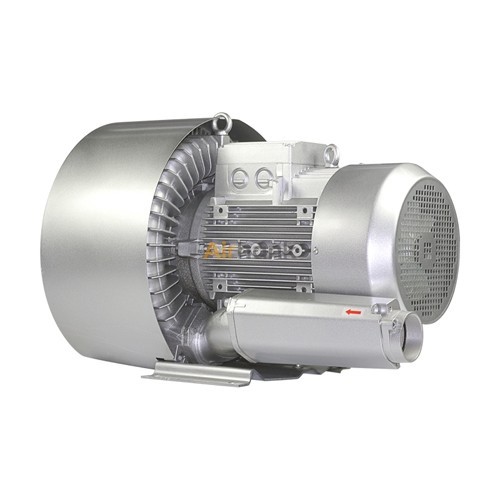

If you're in the market for a pump turbine side channel blower, I encourage you to check out our Pump Turbine Side Channel Blower. We offer a wide range of blowers made from high-quality materials to meet the needs of different applications. And if you need a dedicated drying system blower, take a look at our Dedicated Drying System BlowerRBG810 5D5C.
If you have any questions or would like to discuss your specific requirements, please don't hesitate to contact us. We're here to help you find the perfect blower for your needs.
References
- Engineering Materials Handbook, ASM International
- Machinery's Handbook, Industrial Press Inc.