

Is a pump turbine side channel blower the same as a side - channel compressor?
In the world of industrial fluid handling and air movement, the terms "pump turbine side channel blower" and "side-channel compressor" are often used, sometimes interchangeably. As a supplier of pump turbine side channel blowers, I frequently encounter questions from customers regarding the differences and similarities between these two types of equipment. In this blog post, I aim to provide a comprehensive analysis to clarify whether a pump turbine side channel blower is the same as a side-channel compressor.
Understanding the Basics: How They Work
Pump Turbine Side Channel Blower
A pump turbine side channel blower operates on a relatively simple yet effective principle. It consists of an impeller with multiple blades that rotate within a housing. As the impeller spins, it draws in air or gas through an inlet. The air then enters the side channel, where it is accelerated by the centrifugal force generated by the rotating impeller. This acceleration creates a continuous flow of air or gas, which is then discharged through an outlet. The process is repeated continuously, allowing the blower to maintain a steady flow of fluid.
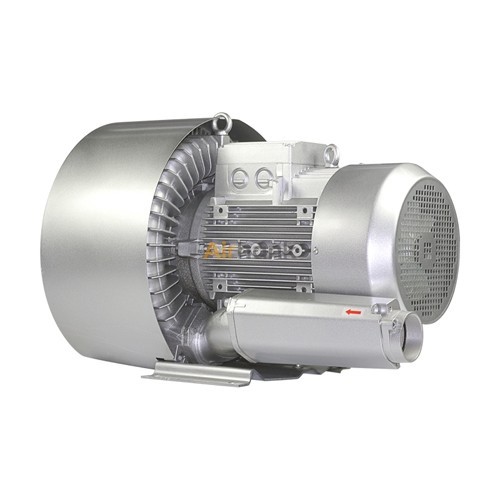
The design of the side channel in a pump turbine side channel blower is crucial. It is typically shaped in a way that maximizes the interaction between the impeller blades and the fluid, enhancing the efficiency of the blower. For example, Pump Turbine Side Channel Blower from our product range is engineered with a precisely designed side channel to ensure optimal performance.
Side-Channel Compressor
A side-channel compressor also relies on the rotation of an impeller within a housing. However, its main purpose is to compress air or gas to a higher pressure. Similar to the side channel blower, the impeller in a side-channel compressor accelerates the fluid in the side channel. But instead of simply moving the fluid, the compressor is designed to increase the pressure of the fluid significantly.
The compression process in a side-channel compressor occurs as the fluid moves through multiple stages of the side channel. Each stage adds to the pressure build-up, allowing the compressor to achieve higher pressures compared to a side channel blower. The compressed air or gas is then discharged at the desired pressure level.
Key Differences
Pressure Capability
One of the most significant differences between a pump turbine side channel blower and a side-channel compressor is their pressure capabilities. A side channel blower is generally designed to provide a relatively low to moderate pressure increase. It is suitable for applications where a continuous flow of air or gas at a relatively low pressure is required, such as ventilation systems, pneumatic conveying of light materials, and some drying processes. For instance, our Dedicated Drying System BlowerRBG810 5D5C is a side channel blower that can effectively provide the necessary air flow for drying applications at a suitable pressure.
On the other hand, a side-channel compressor is capable of achieving much higher pressures. It is used in applications where compressed air or gas is needed, such as in industrial processes that require pneumatic tools, air-operated machinery, and some chemical processes. The ability to generate high pressures makes side-channel compressors more suitable for applications with strict pressure requirements.
Flow Rate
Another difference lies in the flow rate. Side channel blowers typically offer a higher flow rate compared to side-channel compressors. Since their main function is to move a large volume of air or gas at a relatively low pressure, they are designed to handle a greater amount of fluid per unit time. This makes them ideal for applications where a large flow of air or gas is needed, such as in large-scale ventilation systems or in some industrial processes where a continuous supply of fluid is required.
In contrast, side-channel compressors are optimized for pressure build-up rather than high flow rates. They usually have a lower flow rate because the compression process requires more energy and time to increase the pressure of the fluid. As a result, they are more suitable for applications where a smaller volume of compressed air or gas is needed at a high pressure.
Application Areas
The differences in pressure capability and flow rate also lead to different application areas for these two types of equipment. Pump turbine side channel blowers are commonly used in applications such as:
- Ventilation and air circulation in buildings, factories, and warehouses.
- Pneumatic conveying of light materials, such as grains, powders, and small parts.
- Drying processes in various industries, where a continuous flow of air is needed to remove moisture.
- Aeration in wastewater treatment plants, to provide oxygen to the microorganisms.
Side-channel compressors, on the other hand, are used in applications such as:
- Powering pneumatic tools in manufacturing and construction industries.
- Providing compressed air for air-operated machinery, such as air cylinders and valves.
- Some chemical processes that require compressed gases at high pressures.
- Instrumentation and control systems, where a reliable source of compressed air is needed for accurate operation.
Similarities
Basic Design Concept
Both the pump turbine side channel blower and the side-channel compressor share a similar basic design concept. They both use an impeller rotating within a housing with a side channel to interact with the fluid. This design allows for the efficient movement and manipulation of air or gas. The side channel in both devices plays a crucial role in enhancing the performance by providing a path for the fluid to be accelerated and pressurized.
Fluid Handling
Both types of equipment are used for handling air or gas. They can operate with a variety of gases, depending on the specific requirements of the application. The materials used in the construction of the blower and the compressor are often selected to be compatible with the fluid being handled, ensuring long-term reliability and performance.
Why Choose a Pump Turbine Side Channel Blower?
As a supplier of pump turbine side channel blowers, I can attest to the many advantages they offer. Firstly, they are relatively simple in design, which makes them easy to install, operate, and maintain. Their low to moderate pressure capabilities make them suitable for a wide range of applications, providing a cost-effective solution for many industries.
Secondly, pump turbine side channel blowers are known for their energy efficiency. They can provide a continuous flow of air or gas with relatively low power consumption, helping to reduce operating costs in the long run. For example, our side channel blowers are designed with advanced technology to optimize the energy consumption while maintaining high performance.
Finally, the high flow rate of pump turbine side channel blowers makes them ideal for applications where a large volume of air or gas needs to be moved quickly. Whether it is for ventilation, pneumatic conveying, or drying, our blowers can meet the requirements effectively.
Conclusion
In conclusion, a pump turbine side channel blower is not the same as a side-channel compressor. While they share some similarities in design and fluid handling, there are significant differences in their pressure capabilities, flow rates, and application areas. Understanding these differences is crucial for selecting the right equipment for your specific needs.
If you are looking for a reliable and efficient solution for your air or gas handling requirements, our pump turbine side channel blowers are an excellent choice. We have a wide range of products, such as the Pump Turbine Side Channel Blower and the Dedicated Drying System BlowerRBG810 5D5C, that can meet various industrial needs.

If you have any questions or are interested in purchasing our products, please feel free to contact us for further discussion and procurement negotiation. We are committed to providing the best solutions and services to our customers.
References
- Industrial Fluid Handling Handbook
- Air and Gas Compression Technology Manual
- Side Channel Blower and Compressor Design and Application Guide