

How to synchronize multiple rbg double stage side channel blowers?
How to synchronize multiple rbg double stage side channel blowers?
As a supplier of RBG double stage side channel blowers, I understand the importance of synchronizing multiple blowers in various industrial applications. Synchronization ensures efficient operation, consistent performance, and reduced wear and tear on the equipment. In this blog post, I will share some insights on how to synchronize multiple RBG double stage side channel blowers effectively.
Understanding the Basics of RBG Double Stage Side Channel Blowers
Before delving into synchronization methods, it's essential to have a basic understanding of RBG double stage side channel blowers. These blowers are known for their high-pressure capabilities and are commonly used in applications such as pneumatic conveying, vacuum lifting, and aeration systems. They operate by creating a high-velocity air stream through a series of impellers and side channels, which generates pressure differentials to move air or gas.
Why Synchronize Multiple Blowers?
There are several reasons why you might need to synchronize multiple RBG double stage side channel blowers:
- Uniform Pressure and Flow: Synchronization ensures that all blowers operate at the same speed and deliver a consistent pressure and flow rate. This is crucial in applications where a stable air supply is required, such as in a pneumatic conveying system.
- Reduced Vibration and Noise: When blowers are synchronized, they operate in harmony, reducing vibration and noise levels. This not only improves the working environment but also extends the lifespan of the equipment.
- Energy Efficiency: Synchronized blowers can operate more efficiently, reducing energy consumption and operating costs. By matching the output of each blower to the system requirements, you can avoid overworking individual blowers and optimize energy usage.
Methods of Synchronization
There are several methods you can use to synchronize multiple RBG double stage side channel blowers:
1. Mechanical Synchronization
Mechanical synchronization involves physically connecting the blowers using a common shaft or belt drive. This method ensures that all blowers rotate at the same speed and maintain a constant phase relationship. Mechanical synchronization is relatively simple and cost-effective, but it may require regular maintenance to ensure proper alignment and tension of the drive components.
2. Electrical Synchronization
Electrical synchronization uses electronic controls to adjust the speed of each blower motor. This method offers greater flexibility and precision compared to mechanical synchronization, as it allows for independent control of each blower. Electrical synchronization can be achieved using variable frequency drives (VFDs) or programmable logic controllers (PLCs). VFDs adjust the frequency and voltage supplied to the motor, while PLCs can monitor and control the operation of multiple blowers based on predefined parameters.
3. Sensor-Based Synchronization
Sensor-based synchronization uses sensors to monitor the performance of each blower and adjust the speed accordingly. This method is particularly useful in applications where the system requirements may vary over time. Sensors can measure parameters such as pressure, flow rate, and temperature, and send signals to the control system to adjust the blower speed. Sensor-based synchronization ensures that the blowers operate at optimal efficiency and respond to changes in the system conditions.
Steps to Synchronize Multiple RBG Double Stage Side Channel Blowers
Regardless of the synchronization method you choose, the following steps can help you achieve effective synchronization:
1. Determine the System Requirements
Before synchronizing the blowers, you need to determine the system requirements, such as the required pressure, flow rate, and operating conditions. This will help you select the appropriate blowers and synchronization method.
2. Install the Blowers
Install the blowers in the desired location, ensuring that they are properly aligned and secured. Follow the manufacturer's installation instructions and guidelines to ensure safe and efficient operation.
3. Connect the Blowers
Connect the blowers according to the chosen synchronization method. If using mechanical synchronization, connect the blowers using a common shaft or belt drive. If using electrical synchronization, connect the blowers to the control system and configure the settings.
4. Calibrate the Blowers
Calibrate the blowers to ensure that they are operating at the same speed and delivering the desired pressure and flow rate. Use a pressure gauge and flow meter to measure the performance of each blower and make any necessary adjustments.
5. Test the Synchronization
Once the blowers are installed, connected, and calibrated, test the synchronization to ensure that they are operating in harmony. Monitor the pressure, flow rate, and other parameters to ensure that they are within the desired range. Make any necessary adjustments to the synchronization settings if needed.
6. Monitor and Maintain the System
Regularly monitor the performance of the synchronized blowers to ensure that they are operating efficiently. Check for any signs of wear and tear, vibration, or noise, and address any issues promptly. Perform routine maintenance tasks, such as lubrication and filter replacement, to keep the blowers in good working condition.
Recommended Products
As a supplier of RBG double stage side channel blowers, I recommend the following products for your synchronization needs:
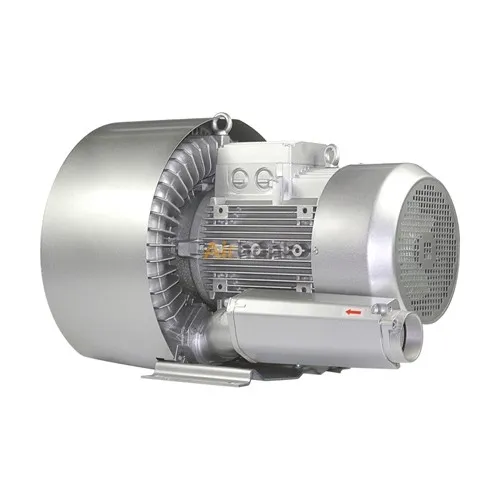
- 2HP 1.5KW Multi Stage Side Channel Blower: This blower is suitable for applications requiring a moderate pressure and flow rate. It features a compact design and high efficiency, making it ideal for use in small to medium-sized systems.
- 3HP 2.2KW Dual-frequency Air Pump Blower: This blower is designed for applications requiring a higher pressure and flow rate. It offers dual-frequency operation, allowing for greater flexibility and energy savings.
Conclusion
Synchronizing multiple RBG double stage side channel blowers is essential for ensuring efficient operation, consistent performance, and reduced wear and tear on the equipment. By understanding the basics of blower operation, the reasons for synchronization, and the available synchronization methods, you can choose the most suitable approach for your application. Follow the steps outlined in this blog post to achieve effective synchronization and optimize the performance of your blower system.
If you have any questions or need further assistance with synchronizing your RBG double stage side channel blowers, please feel free to contact us. Our team of experts is available to provide you with personalized advice and support. We look forward to helping you achieve the best results with your blower system.
References
- Manufacturer's documentation for RBG double stage side channel blowers
- Industry standards and guidelines for blower synchronization
- Technical articles and research papers on blower operation and synchronization